Source:Best Coffee > News Author:qjroot Published:2024-12-20 18:46:08
According to media reports, severe weather conditions have driven up coffee bean prices, affecting the global coffee market, including Brazil's domestic consumer market. As a result, major Brazilian coffee roasters, including JDE Peet's, one of the world's largest coffee companies, are expected to raise prices in the domestic market starting early next year.
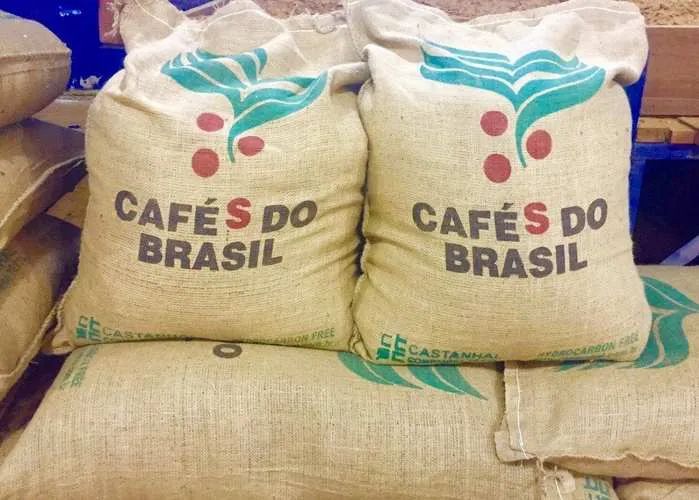
It is reported that the main reason is that global coffee prices have risen sharply recently, having earlier hit a record high, with cumulative gains of more than 80% this year. The main cause is that both Brazil and Vietnam experienced severe drought this year, affecting the growth and harvest prospects of coffee crops. This situation has also led coffee futures to rise continuously in recent days, although they fell 2.65% in recent days.
It is understood that the main reason for this decline in coffee futures is that the Federal Reserve announced a rate cut, cutting rates by 25 basis points to between 4.35% and 4.50%, and it is expected that the pace of rate cuts in 2025 may narrow to 50 basis points. This is already the Federal Reserve's third rate cut since September this year.
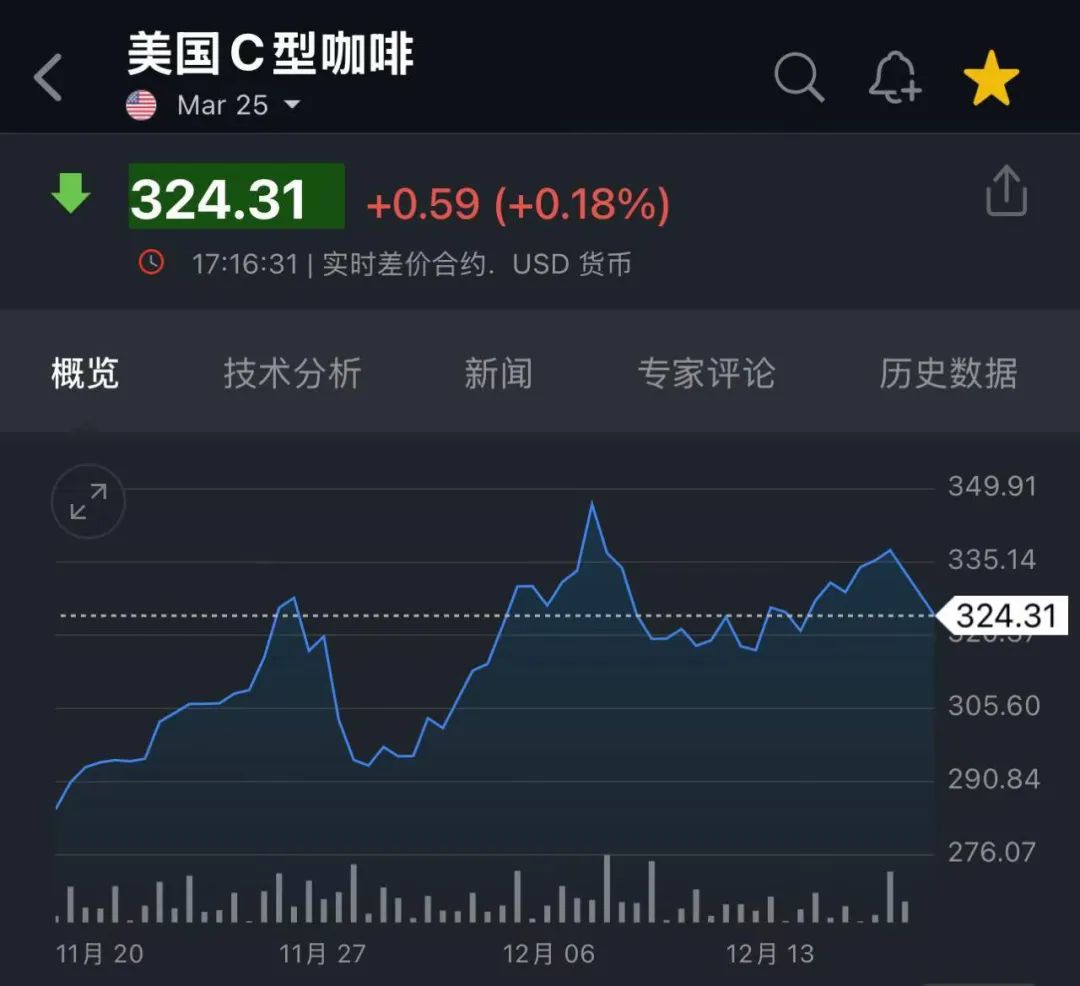
Due to speculators' behavior regarding changes in monetary policy, combined with strong export reports from multiple countries recently and increased supply, ICE-monitored Arabica and Robusta coffee inventories climbed, all of which pushed coffee futures prices down.
Although futures prices have fallen, they remain high, which has pushed up Brazil's domestic coffee consumption prices. According to traders, JDE Peet's will raise prices in Brazil by an average of 30% next year. The company is the manufacturer of several coffee brands in Brazil, mainly raising prices for roasted and ground coffee, coffee beans, instant coffee, capsules and cappuccino. The German company Melitta also said it is facing rising coffee costs, having already raised prices by 12% recently, with prices rising another 25% this month.
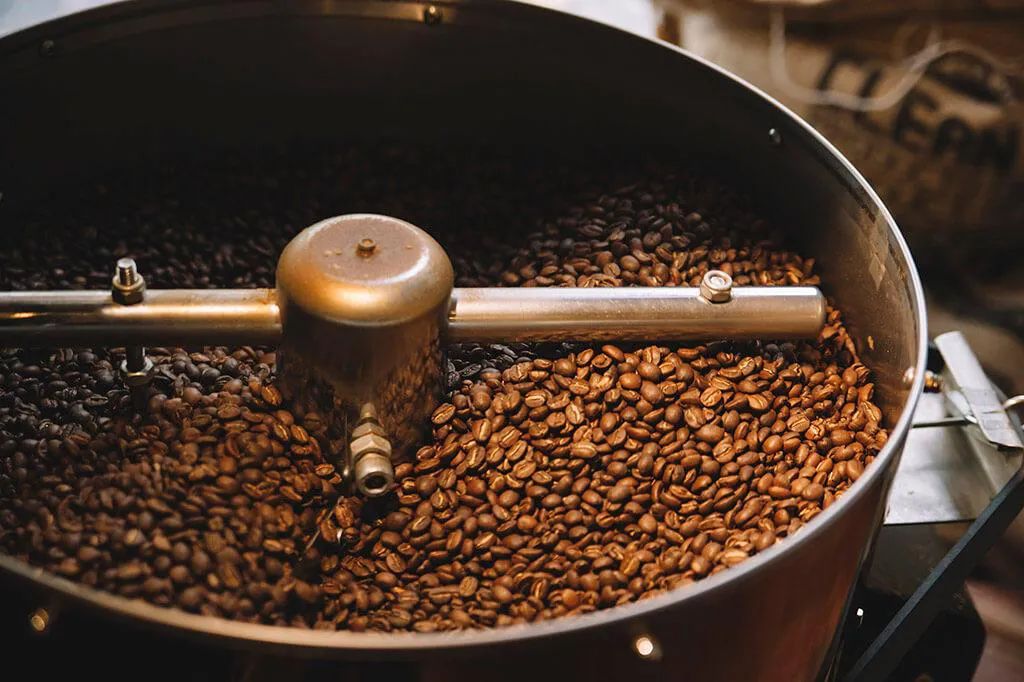
In addition, according to the report, some European coffee traders say that some large roasters in Europe have already planned 10% at the end of December or the beginning of January. By the end of March next year, consumers will clearly feel the price increase, and may ultimately respond to the price increase by reducing consumption.
Brazil is the world's second-largest coffee consuming country, after the United States. Therefore, some experts say that due to rising coffee prices in Brazil, coffee companies may choose to import from other coffee-producing countries to supply the Brazilian market, but at the same time this will push up prices in other countries' markets.
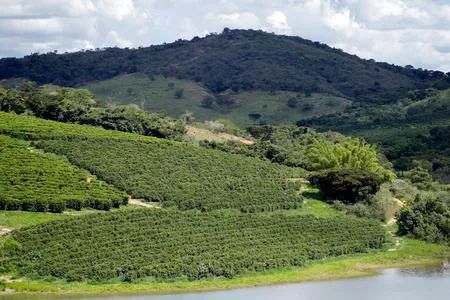
At present, the market still believes that Brazil's future coffee production is uncertain, all because Brazil's severe weather has continued to be erratic in recent times. According to reports, although rainfall has resumed in Brazil's main coffee-producing region of Minas Gerais, last week's rainfall was 35.2 mm, only 65% of the historical level, and temperatures were on the high side, with the average temperature for the entire month of December reaching above 30°C and the highest temperature reaching 36°C. This situation is not conducive to coffee fruiting, and if the fruiting situation is poor, it will cause coffee production in the new crop season to decline once again.
Moreover, the outlook for future climate conditions is also far from ideal, all because earlier the World Meteorological Organization stated that the probability of a La Nina phenomenon occurring in the next 3 months exceeds 50%. This has caused market concerns. At present, both the Brazilian domestic market and the international market are generally pessimistic about Brazil's coffee production in next year's new crop season. Earlier, several well-known coffee trading companies released forecasts for Brazilian coffee, all predicting a decline in production, and believed that global coffee demand will continue to increase, with the global coffee market set to record a supply deficit for the fifth consecutive year in the 2025/26 season, with an expected supply shortage of 8.5 million bags.
To learn more about coffee origins, please scan the QR code to follow: Kaping
Long-press the QR code to follow:

Related Reading


Comments (0)
Loading comments...
You May Be Interested


Trending Reviews
Popular Videos

With you, wherever you are! We provide useful features to help you find new things you'll love






