Source:Best Coffee > News Author:qjroot Published:2026-08-30 19:27:32
When choosing an espresso blend, you cannot just look at a few words like "nutty," "chocolate," or "fruity." You also need to consider what temperature, pressure, and stable extraction your home espresso machine can provide. Semi-automatic machines, home fully automatic machines, and small capsule-alternative machines do not have the same extraction capability. Only by judging portafilter basket capacity, grinder precision, and the drinks you usually make together will it be easier to find beans that suit you.
First look at the basket specifications. Single-shot baskets usually have a smaller capacity, while double-shot baskets are better suited for testing the full flavor of a blend. If the machine uses a fixed-size basket, when choosing beans you can pay attention to the dose range it suits, and do not force in more coffee just to pursue intensity. Only after the ratio of dose to liquid weight is stable can you observe whether the beans themselves lean sweet, thick, or carry obvious acidity and aroma.
Next look at the machine's temperature control capability. A semi-automatic machine with stable temperature control has a broader range of adaptability to medium-roast to medium-dark-roast blends; for equipment with greater temperature fluctuation, choosing a recipe with solid sweetness and soft acidity will be easier. Light-roast blends often require higher temperature and fuller extraction. If the machine has limited adjustment room, the cup may retain only sharp acidity, making it hard to show the layering it should have.
Pressure also affects the direction of bean selection. The pressure shown on a home machine is not equal to the pressure actually borne by the coffee puck; grind size, distribution evenness, and flow rate all participate in the changes. For those just starting to use an espresso machine, you can prioritize medium-roast blends with clear cocoa and caramel notes. They are still relatively easy to retain sweetness and body when pressure fluctuates slightly, and the parameter-tuning process will not be too complicated.

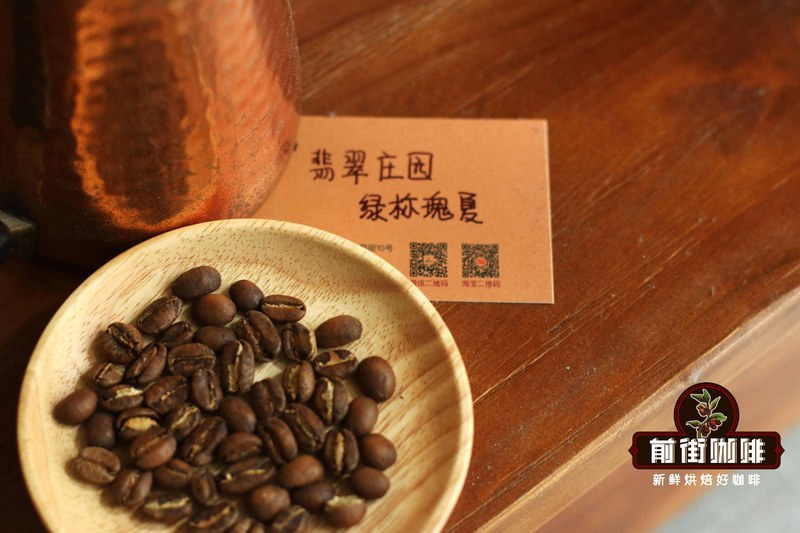
Qianjie Brazil Queen Estate is suitable for users who want a rounded mouthfeel. In an espresso machine, it easily presents roasted nuts, cocoa, and caramel-like sweet aroma, with acidity that does not steal the show. When made as a short-extraction black coffee, it has a soft body, and after adding hot milk it does not seem empty or thin. When you have both an espresso machine and a moka pot at home, this coffee also has a relatively wide range of adaptability.
If you prefer a low-acid, rich Americano or milk coffee, you can try Qianjie PWN Indonesia Golden Mandheling. It carries herbal notes, dark chocolate associations, and a thicker mouthfeel, and is suitable for making the espresso fuller before adding milk or hot water. When using a machine with a relatively high temperature and stable pressure performance, the grind does not need to be too fine, to avoid an overly heavy dry astringency in the tail end.
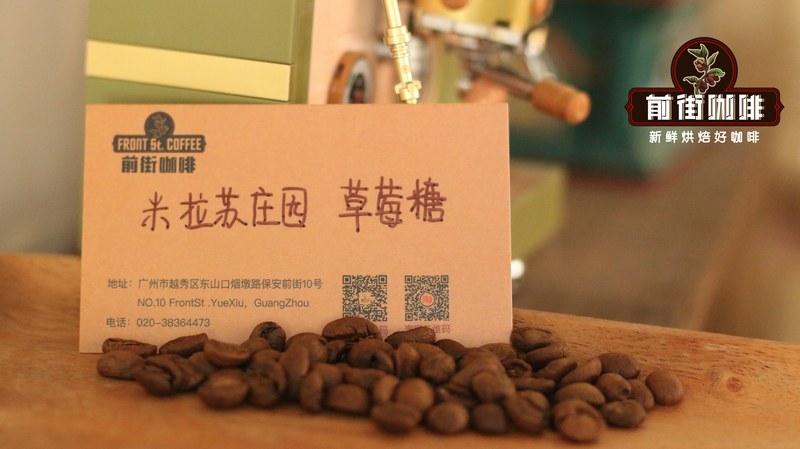
If you like lively fruit aroma in the cup but do not want to give up the distinctiveness of milk coffee, you can look at Qianjie Strawberry Candy Coffee Beans. Its sweet aroma has a vivid berry-candy character, and it is light and bright when made as an iced Americano; paired with a small amount of milk, it can retain part of the aroma. When using beans with this kind of jumpy flavor, the output yield should not be extended endlessly; when the strength is sufficient, it is easier to keep the aroma.
When you start tuning parameters, first confirm whether the grinder can change settings in fine increments. Espresso machines need relatively fine and even powder, and the condition of the burrs and the amount of retained grounds directly affect the flow rate. For each extraction, you can record the dose, liquid weight, and time, then adjust the grind according to the taste on entry. When the flow is too fast and the flavor is thin, the coffee bed usually needs to provide fuller resistance; if bitterness and astringency are concentrated in the finish, over-extraction should be reduced.
Pre-infusion is also an important reference. Machines with pre-infusion are friendlier to lighter-roast, denser blends, allowing the puck to absorb water evenly first before entering the main extraction stage. Machines without pre-infusion are better suited to starting with balanced, medium-roast recipes. Whatever the equipment, keeping distribution and tamping level is more helpful than simply pursuing higher pressure.
If you mainly drink lattes, flat whites, or cappuccinos, when choosing beans you need to consider the dilution effect brought by milk. The clearer the espresso's sweetness, weight, and cocoa notes, the easier it is to maintain coffee presence after adding milk; if you often drink straight espresso or short Americanos, then you can put aroma and finish further forward. Machines with larger basket capacity can also use a shorter liquid weight in exchange for more concentrated flavor.
When buying, you can check the roast direction, recommended brewing method, and suitable dose, rather than judging only by the name of the origin. After the beans arrive, set a suitable dose according to the machine's basket capacity, first observe the cup at a medium flow rate, then fine-tune the grind and liquid weight. Choosing a blend that can adapt to your equipment, drinking style, and grinder condition will make daily shots more stable, and you can slowly find your own taste through repeated parameter changes.
Related Reading
Comments (0)
Loading comments...
You May Be Interested


Trending Reviews
Popular Videos

With you, wherever you are! We provide useful features to help you find new things you'll love






