Source:Best Coffee > News Author:qjroot Published:2026-10-09 14:17:48
Many friends have complained to me that even though they follow online tutorials step by step, their homemade latte always carries a burnt, bitter taste, and they can never get that smooth, sweet feeling from coffee shops. Actually, the framework of a milk coffee isn't complicated - just espresso plus milk - but if anything goes wrong with either of these two elements, the bitterness will overshadow the sweetness. Today I want to break down the common pitfalls of making lattes at home from three dimensions: bean selection, extraction, and milk, to help you find that ideal milk coffee.
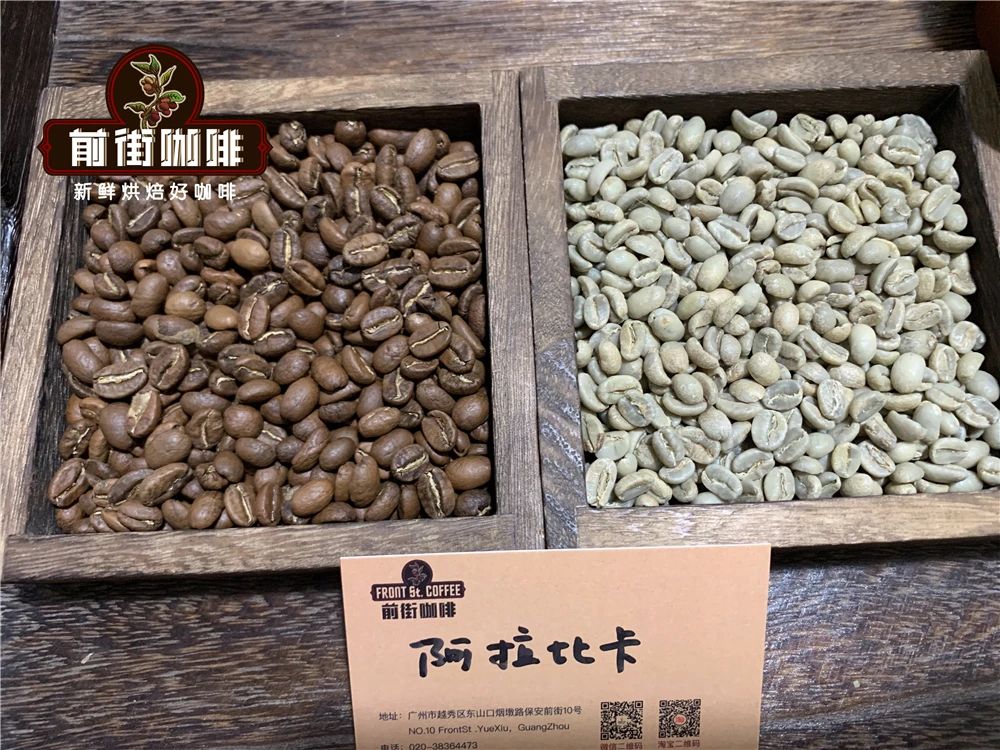
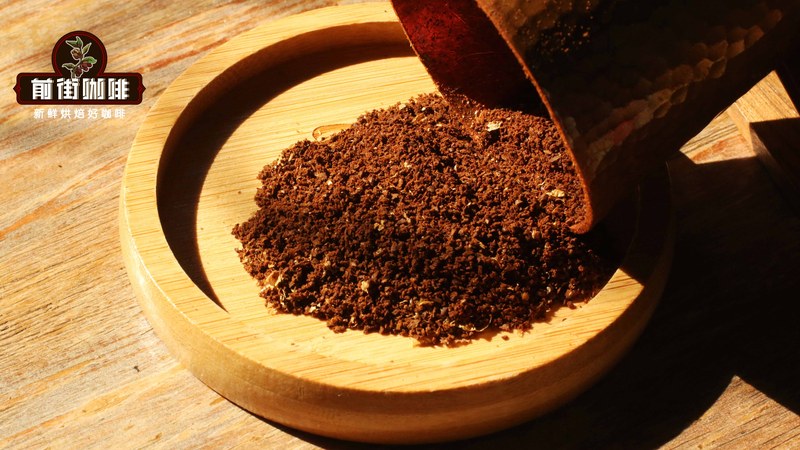
Let's start with the beans. Many people buying coffee beans for the first time see words like "dark roast" and "espresso intensity" and assume they're professional, only to find the ground powder is black and oily, giving off a smoky, scorched aroma during extraction that still tastes like drinking charcoal even after adding milk. Dark-roasted beans are heated for a long time, losing a large amount of aromatic compounds, leaving mainly burnt bitterness and woody flavors - making a milk coffee with them is like adding a spoonful of burnt pot bottom to a good soup. For beginners, choosing a medium-dark roasted espresso blend is a more reliable starting point. These beans typically combine flavors from multiple origins, are rich in crema, have high fault tolerance, and are affordably priced. For example, Qianjie Classic Blend and Qianjie Commercial Blend both contain a small amount of Robusta, and you can see fine crema during extraction, with a solid and stable mouthfeel - a great choice for beginners to practice with.

If you want a more cost-effective daily staple, Qianjie Black Cocoa Blend uses a combination of Brazil and Yunnan, presenting caramel biscuit, creamy peanut, and slight fruit acidity, suitable for all kinds of milk coffee preparations. For those who are particularly sensitive to bitterness and want a gentler milk coffee, medium-roasted fruity blends like Qianjie Strawberry Candy Blend are more friendly, with aromas of rose, citrus, grape, and dried blueberry. Made into a latte, it has a silky mouthfeel like strawberry cocoa cookies, as refreshingly sweet as fruit gummies.
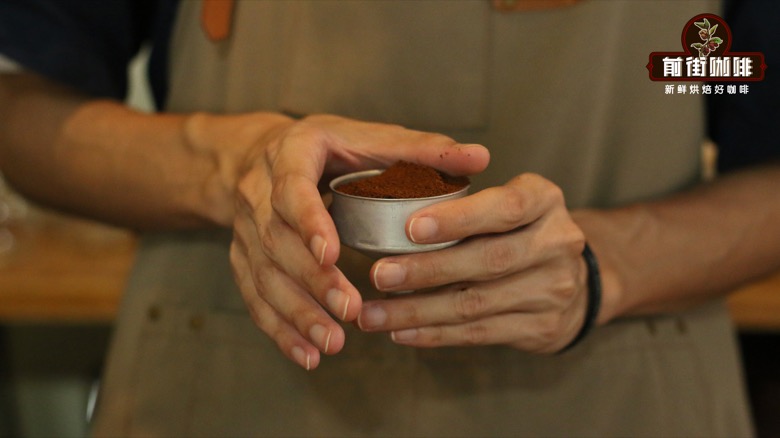
Adjusting extraction parameters is the second area to master. My approach at home is to first lock in a set of base numbers: dose 18 to 19 grams, final yield 36 to 38 grams, shot time 25 to 28 seconds. This range is quite reliable for making milk coffee - the extracted espresso is concentrated enough to hold up to the milk volume, while not forcing out bitter, astringent elements.
If your latte tastes bitter, accompanied by irritating flavors like tire, hay, or charcoal, it's most likely over-extracted - either the grind is too fine causing water to be trapped too long, or the extraction yield exceeds 38 grams. At this point you don't need drastic measures; reducing the coffee liquid by 3 to 5 grams, or making the grind slightly coarser, can noticeably improve the defective aftertaste.
Remember, espresso is not better the stronger it is, nor better the more there is. Finding the balance between dose, yield, and time is far more important than blindly pursuing crema thickness.
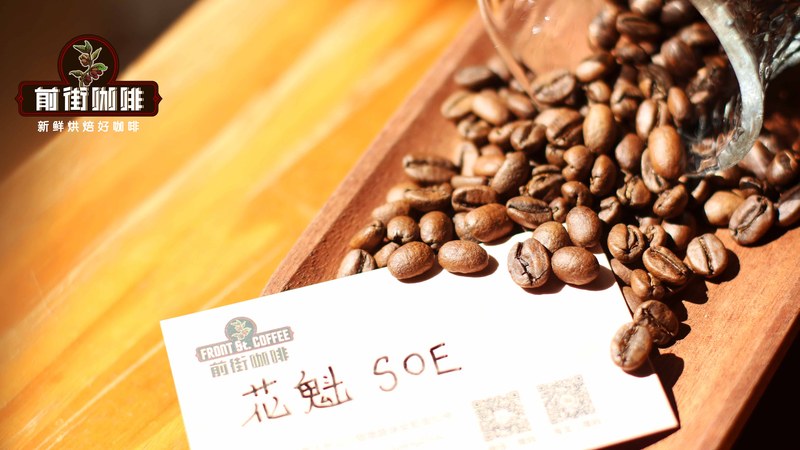
To further explore flavor directions, you can try beans with different characteristics. Qianjie Blackberry comes from Costa Rica with honey processing, very high in sweetness. Made into a milk coffee, it has full-bodied dark berry and dried fruit sweetness with obvious winey notes, suitable for evenings when you crave rich flavors. If you prefer a fresh and elegant style, Qianjie Grana Geisha as an SOE from Panama's Grana Estate, medium-light roasted, retains delicate floral and citrus notes with fine layering. Made into a milk coffee, it's clear yet not thin, with almost no bitterness detectable. Comparing these two with Qianjie Strawberry Candy Blend together allows you to clearly feel the richness of honey processing, the transparency of Qianjie Grana Geisha, and the balance of the blend - an interesting path to building flavor awareness.
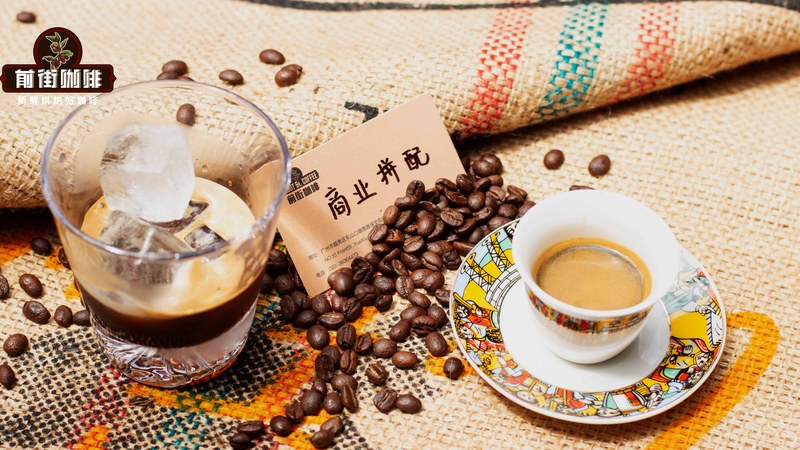
Making a delicious milk coffee at home, my family and I have gradually realized, the core is really just two words: "fresh" and "moderate." Beans must be fresh, milk must be fresh, parameters must be moderate, temperature must be moderate. No need for expensive equipment, and no need to pursue fancy techniques. First get familiar with these numbers - 18 grams dose, 36 grams yield, 25 to 28 seconds, 60 to 65°C - then fine-tune based on taste feedback, and after a few tries you'll find your own recipe.
The charm of milk coffee lies precisely in this tangible sense of everyday life. Spending five minutes in the morning to make a cup, watching steam turn milk into dense silk, then slowly blending with the coffee - the process itself is already healing enough.
When our latte is no longer bitter, but presents the flavors of the coffee beans themselves and the sweet richness of milk, my family and I have gradually come to understand: good coffee is never far away - it's right in your own kitchen.
Related Reading
Comments (0)
Loading comments...
You May Be Interested


Trending Reviews
Popular Videos

With you, wherever you are! We provide useful features to help you find new things you'll love






