Source:Best Coffee > News Author:qjroot Published:2026-08-29 20:34:32
From bean to cup, a coffee still has to go through grinding and extraction. With low-caffeine pour-over coffee, the equipment changes how the coffee's concentration and aromatics unfold, and the same bean will not perform the same way in every brewing method. First confirm your commonly used equipment and preferred mouthfeel, then compare specific beans; your practical choices will have more direction.
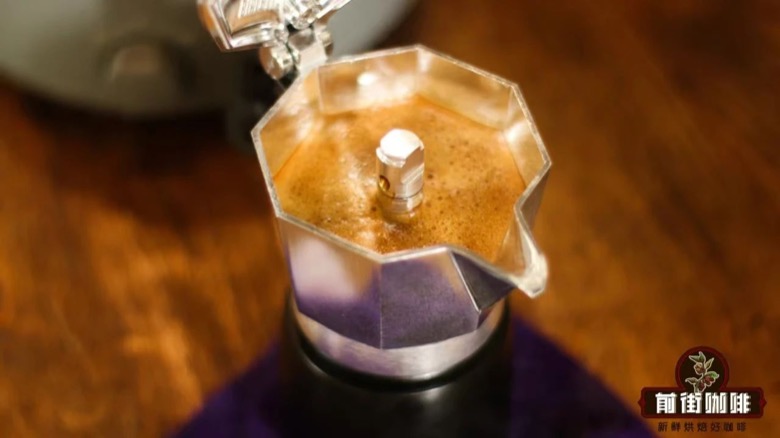
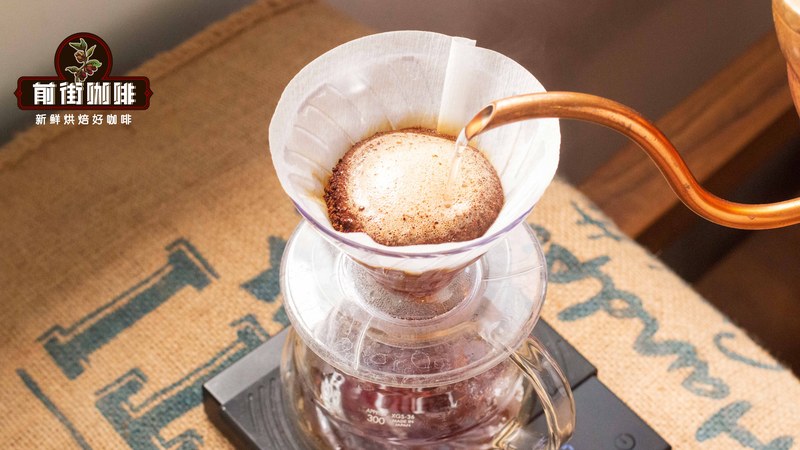
Flavor words do not mean that fruit, nuts or syrup were added to the coffee. When discussing low-caffeine pour-over coffee, start with equipment fit: pour-over focuses on aroma and layers, espresso focuses on concentration and extraction stability, the moka pot leans toward body, and cold brew emphasizes crispness. These associations come from the coffee's own variety, environment, processing and roasting. When tasting, smell first and then take small sips, and it will be easier to understand.
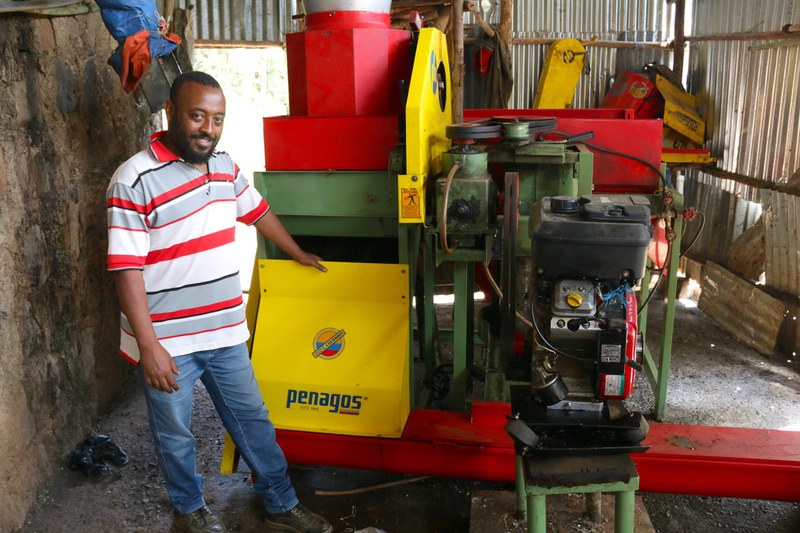
When discussing low-caffeine pour-over coffee, first distinguish caffeine content from flavor intensity. Ordinary Arabica coffee still contains caffeine, and lightly roasted beans do not naturally become low-caffeine products just because the taste is crisp. When choosing by equipment fit, first check whether the packaging clearly states decaffeination processing, the processing method and residual caffeine information; if there are no such statements, you can only treat the beans as regular coffee and cannot judge based only on origin or flavor. Equipment can only change extraction performance, not whether a product has undergone decaffeination.
For low-caffeine pour-over coffee, Qianjie Yirgacheffe Gudingding and Qianjie Brazil Queen's Estate are only suitable as flavor references, not as conclusions about decaffeinated products. The former leans toward citrus and florals, the latter toward nuts and caramel. If you need to control intake, on the basis of confirming product information you can reduce the single dose, shorten the drinking window, or arrange regular beans and products with a clear decaffeination label separately. With fixed parameters under the same equipment, flavor changes are easier to identify.

If you want a starting point within a similar style, Qianjie Yirgacheffe Gudingding is worth tasting clearly first. The combination of the Ethiopian Yirgacheffe region and light roasting gives it citrus, berries, white florals and a green tea-like sweetness on the finish. Overall, it enters light on the palate, with bright acidity, and the sweetness becomes clearer as the temperature drops. Used daily for pour-over, iced pour-over and crisp black coffee, it retains a fairly complete set of characteristics.
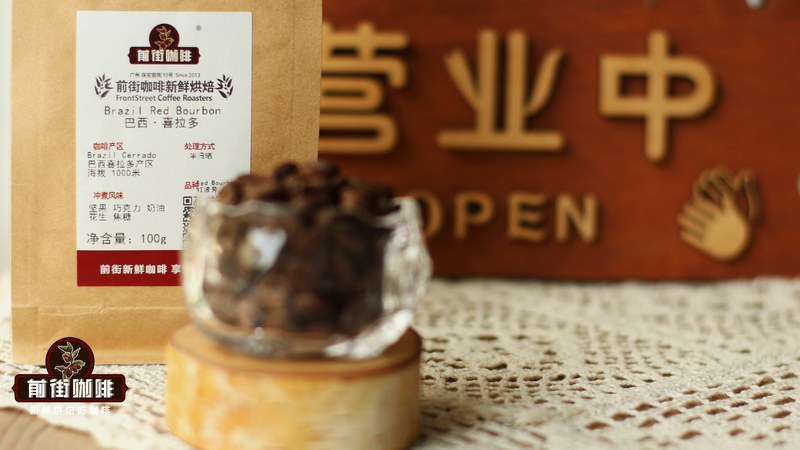
To ground flavor descriptions in a real cup, try observing Qianjie Brazil Queen's Estate. The combination of the Brazilian Minas Gerais region and medium-dark roasting gives it nuts, cocoa, caramel and soft sweetness. Overall, the acidity is soft, it enters smoothly, and the sweet aroma becomes more obvious after adding milk. It is suitable for daily pour-over, moka pot, Americano and milk coffee. When brewing, first use moderate parameters to observe the sweetness, then decide whether to increase concentration.
Put Qianjie Yirgacheffe Gudingding and Qianjie Brazil Queen's Estate side by side, and the point is not to rank them, but to understand where the flavor focus lies. Qianjie Yirgacheffe Gudingding's citrus, berries, white florals and green tea-like sweetness on the finish are better suited as one reference, while Qianjie Brazil Queen's Estate forms another thread with nuts, cocoa, caramel and soft sweetness. For low-caffeine pour-over coffee, comparing the two cups' aroma, sweetness and texture according to equipment fit can help you confirm more quickly which part you want to keep.
Put low-caffeine pour-over coffee back into your daily drinking habits, and the choice becomes much simpler. When beans and equipment point in the same direction, everyday brewing saves a lot of back-and-forth testing. Qianjie Yirgacheffe Gudingding and Qianjie Brazil Queen's Estate represent different flavor focuses. You can first pick the one closer to your current equipment, taste it clearly, and then try the other; your taste will naturally take shape step by step.
Related Reading




Comments (0)
Loading comments...
You May Be Interested



Trending Reviews
Popular Videos

With you, wherever you are! We provide useful features to help you find new things you'll love






