Source:Best Coffee > News Author:qjroot Published:2024-09-27 18:48:15
According to media reports, drought weather has hit the whole of South America in recent days, with multiple South American countries reporting severe drought and being affected by forest fires. Besides Brazil, countries such as Peru, Ecuador and Colombia have also not been spared from the severe disaster. According to the Colombian government, multiple provinces in Colombia have suffered forest fires, which are currently being extinguished.
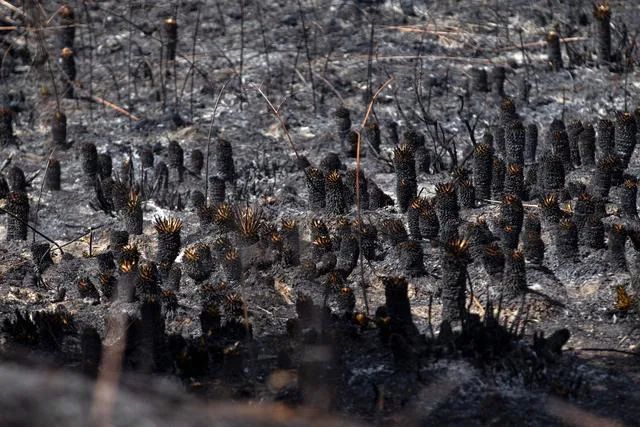
According to a notice from Colombia's National Unit for Disaster Risk Management, nearly 11,000 hectares of land in Colombia have been burned by fires, and some of the fire-affected areas border Ecuador, Peru or Brazil, where fires have also occurred.
At present, it is reported that in addition to areas bordering multiple countries, severe fires have also broken out in multiple provinces in central Colombia. In Tolima Province in Colombia's Andean region, a forest fire broke out, causing 2 people to be injured, with farmland and forests burned. The government dispatched 8 aircraft to fight the fire. In addition, Cundinamarca Province, where Colombia's capital Bogota is located, has also been hit by forest fires, mainly concentrated in Gachancipa, where large areas of forest and vegetation have been burned by the fire, and firefighters are currently fighting the blaze.
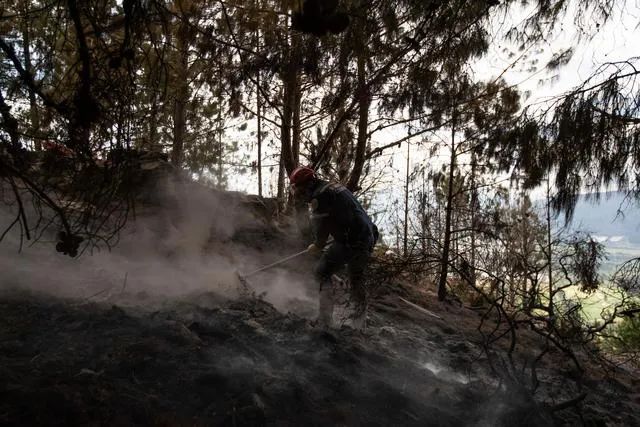
However, according to local firefighters, the difficulty of extinguishing the fire is currently very high. The main reason is that the weather is currently very dry, and severe strong winds and the dry environment are causing the fire to continue spreading, while the drought has led to insufficient water sources.
According to Colombia's National Disaster Risk Management Unit, over the past 3 months or more, affected by widespread severe drought, the Amazon River, one of the largest rivers in South America, has suffered severe drought. The water level of the Amazon River within Colombia has dropped significantly, falling by 80% to 90%, ships have run aground, and large areas of land have been exposed due to the low water level.
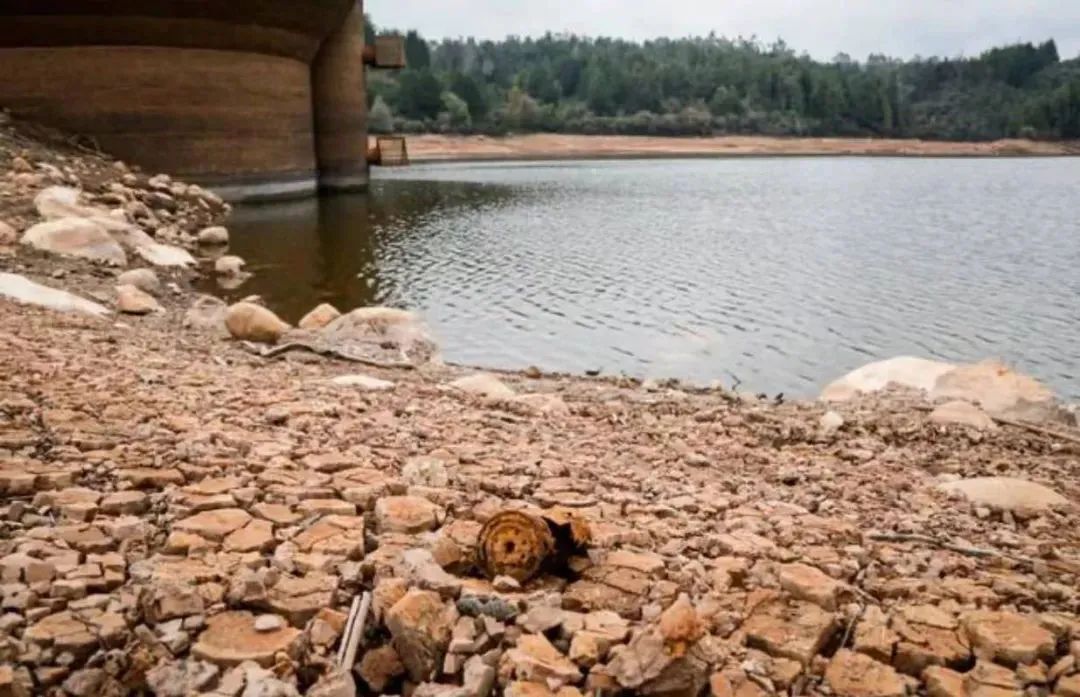
Earlier, Colombia reported that in the second half of this year, the country was still affected by the aftereffects of El Nino. During the summer period from August to September, hot weather and drought intensified, and there was no rainfall, resulting in a severe water shortage in Colombia. Water levels in several major water supply reservoirs dropped, so the water available for production capacity continued to decline. In addition, many provinces in Colombia are currently affected by large-scale fires, which have also affected nearby water sources, worsening the shortage.
In addition, the largest fire in nearly 30 years occurred in Cauca Department in southwestern Colombia, causing serious impacts on many areas of the department. Large amounts of crops such as coffee were destroyed, and nearby water sources were also affected. Therefore, in September, many provinces in Colombia had already begun to restrict water use, and the Drinking Water and Basic Sanitation Regulatory Commission (CRA) announced a series of strict water restriction rules.
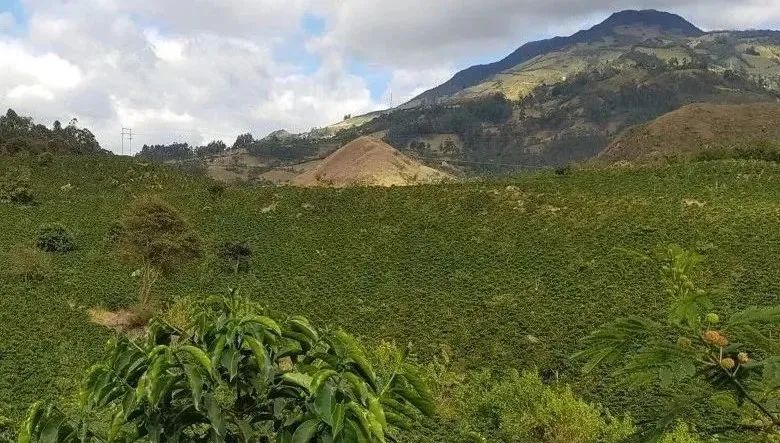
At present, extreme weather such as drought and fires is severely impacting Colombia's coffee industry. In Colombia, coffee is mainly concentrated in the central Andes mountains, but these areas are highly vulnerable to wildfire threats. In addition, water restrictions pose a major challenge to the coffee industry. Due to drought and lack of rainfall, irrigation of coffee plants should be increased, but the government has restricted current water use and has also called on the coffee, banana and other agricultural industries to adopt more efficient irrigation techniques to optimize water use and not use water arbitrarily. Many coffee farmers are caught in a dilemma: on the one hand, lack of water will be detrimental to coffee growth and reduce yields; on the other hand, increasing water use may exceed established water limits, leading to fines and increased costs.
At present, Colombia's coffee production is declining. According to a report by the Colombian Coffee Growers Federation (FNC), from May to July this year, coffee production remained at around 1.1 million bags (60 kg/bag), but the latest data show that Colombia's coffee production in August was 1.05 million bags, a decrease of nearly 100,000 bags, and Colombia's coffee inventory is gradually decreasing, down 7.2% month on month to 962,000 bags.
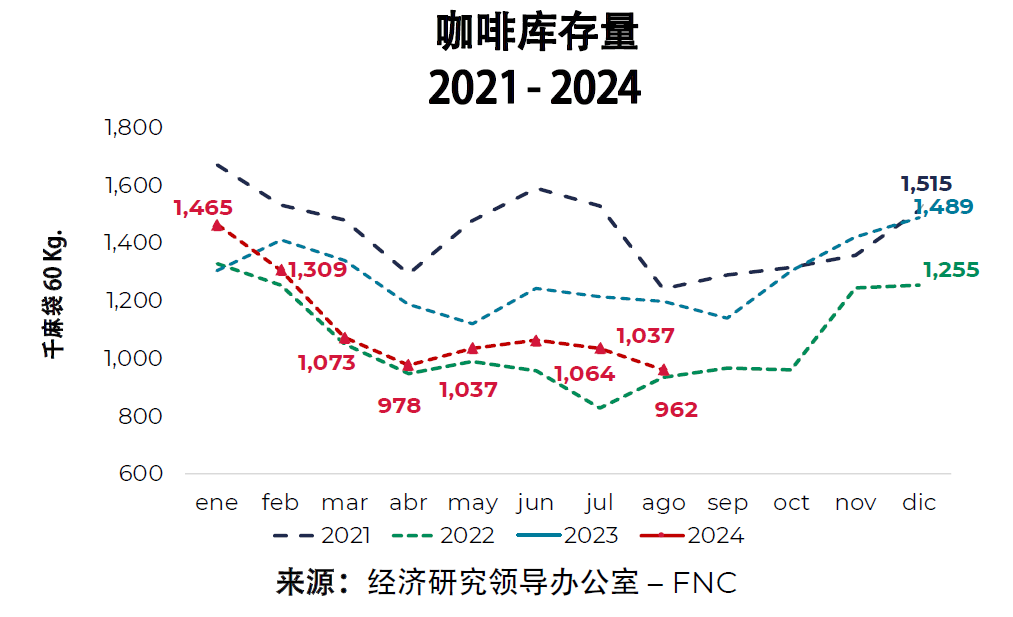
The decline in inventories and coffee production will lead to a reduction in the volume available for export. As the world's third-largest coffee-producing country, a drop in export volume is not conducive to the development of the country's coffee industry. In addition, the reduction in export volume is also continuously pushing up international coffee prices, and with multiple countries reporting lower production, coffee prices will find it difficult to fall in the short term.
To learn more about coffee origins and news, please scan the QR code to follow: Kaping
Long-press the QR code to follow:

Related Reading








Comments (0)
Loading comments...
You May Be Interested






Trending Reviews
Popular Videos

With you, wherever you are! We provide useful features to help you find new things you'll love






