Source:Best Coffee > News Author:qjroot Published:2026-08-15 10:46:48
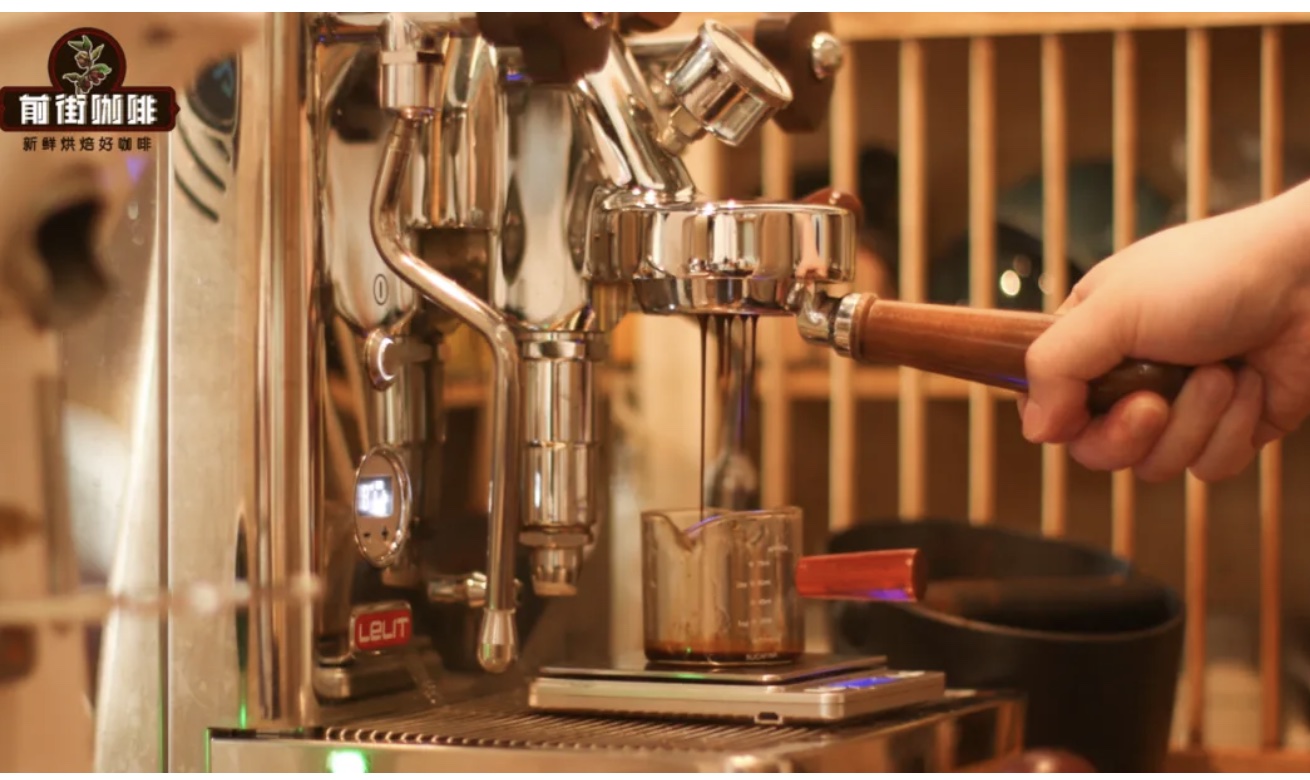
When ordering at a coffee shop, you often see "100% Arabica" printed on the packaging. What exactly does that term mean? Why do so many espresso blends emphasize it? This article starts with the characteristics of Arabica beans, helps you understand a few representative 100% Arabica espresso blends, and takes a look at who each of them suits.
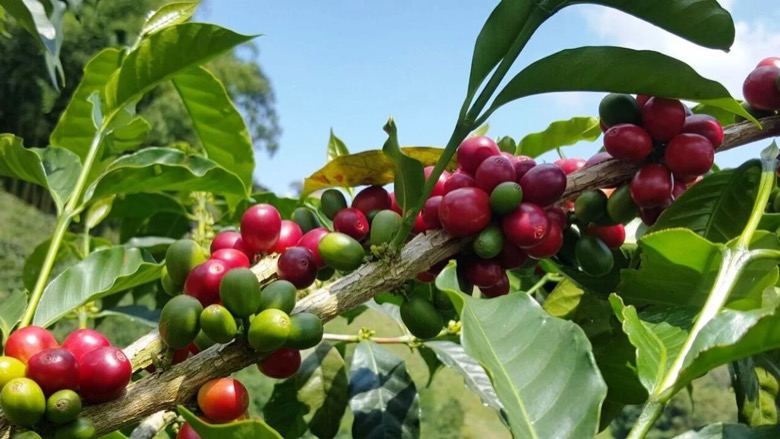
Coffee beans are mainly divided into two major categories: Arabica and Robusta. Arabica beans usually have a more delicate flavor, brighter acidity and richer aromatic layers, and are generally considered to have a higher quality ceiling; Robusta beans, on the other hand, have higher caffeine content, heavier bitterness and a stronger oily mouthfeel, and are often used for instant coffee or low-priced blends.
100% Arabica means the entire bag of beans uses only the Arabica variety, with no Robusta mixed in. In espresso extraction, Arabica blends usually deliver a cleaner, more layered flavor with more prominent sweetness - which is exactly why many coffee shops emphasize "100% Arabica".
That said, it should be viewed objectively: 100% Arabica does not equal "guaranteed to taste good". The quality of the beans also depends on many factors such as the altitude of the producing region, the processing method and the roasting technique. Some low-priced 100% Arabica beans, because the raw material quality and roasting craft are average, may not perform as well as a well-matched blend that contains Robusta. So "100% Arabica" is a quality signal, but not the only standard - you still have to look at how the specific beans perform.
Not everyone is after rich crema. For beginners, or shop owners who want to control costs, "good taste and solid price" is the key, and this Qianjie Dark Cocoa Blend fits the bill perfectly. It uses 100% Arabica beans, has ample crema and a full-bodied mouthfeel, and the price is still very friendly, balancing quality and value for money. Friends who run a shop can choose it to save both worry and money.
This is an espresso blend that Qianjie shops have used for a long time - nearly ten years - and it has always carried the task of making core drinks such as americano and espresso latte in the shops. It pairs Brazil Cerrado and Colombia Huila coffee beans, and the flavor is very classic - the familiar espresso taste from memory. If you want an espresso that is "foolproof and never tiresome to drink every day", it is a very stable choice, suitable for both home and commercial use.
Autumn Chestnut Blend is a balanced-style 100% Arabica blend selected from Honduras Caturra and Papua New Guinea Typica, fusing a warm and delicate aromatic flavor through a balanced structure. On entry it carries a nutty sweetness like roasted chestnuts, accompanied by a rich sweetness like caramel and brown sugar; in the middle you can sense a soft chocolate note and rounded acidity, with an overall full and smooth mouthfeel; the finish is clean and long, leaving a lingering note of nuts, cocoa and a faint spice. It combines sweetness and layering, warm and steady like the chestnut aroma of autumn, suitable for friends who like a full-bodied taste, low-stimulation acidity and rich aftertaste.
Autumn Chestnut Blend has another rarely mentioned advantage: its flavor is "easy to keep drinking". Some beans are stunning on the first sip, but become cloying after drinking more; the sweetness of Autumn Chestnut is mild and continuous, never overly prominent, so you do not get tired of it even drinking it every day. This matters a lot for a daily staple bean - tasting good for a moment is not hard; tasting good for a month is the real skill.
Besides blends, 100% Arabica is also common in single-origin SOE (single-origin espresso). The same bean, made into espresso, lets you taste a more distinct origin personality:
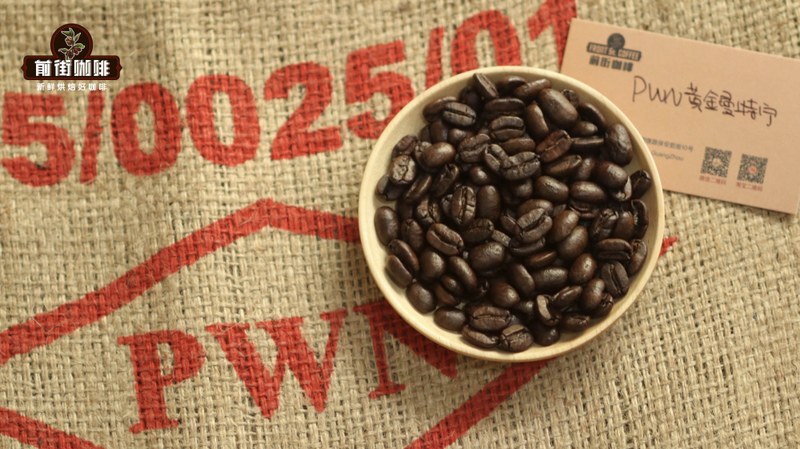
Qianjie PWN Indonesia Golden Mandheling: dark roast process, very low acidity, full-bodied and long-lasting mouthfeel, with prominent herbal and dark chocolate aromas and rich layers, suitable for friends who like a heavy profile and do not love acidity.
Qianjie Brazil Queen's Estate: low acidity, balanced mouthfeel, rich nut and cocoa aromas, with noticeable caramel sweetness, smooth on entry without astringency, suitable for pour-over, espresso and moka pot.
Qianjie Papua New Guinea Bird of Paradise: produced at Bird of Paradise Estate, and called "Little Blue Mountain" by many coffee lovers because its flavor texture is close to Jamaican Blue Mountain. It uses the Typica variety from the same source as Blue Mountain, grown in volcanic rock soil at an altitude of 1600-1800 m, reaching the AA high-grade standard, with plump beans and a low defect rate. Three times of washed fermentation give it a clean and pure mouthfeel and a prominent sweetness, also an excellent choice among non-acidic coffee beans.
| Scenario | Recommendation | Reason |
|---|---|---|
| Beginner practice/controlling costs | Qianjie Dark Cocoa Blend | High value for money, stable output |
| Stable daily home output | Qianjie Specialty Blend | Classic and balanced, never tiresome to drink every day |
| Likes sweetness and layering | Qianjie Autumn Chestnut Blend | Chestnut aroma and caramel sweetness, low acidity and smooth |
| Wants origin personality | SOE single origin (Mandheling/Brazil Queen's/Bird of Paradise) | High flavor recognizability |
The core value of a 100% Arabica espresso blend is "clean flavor + rich layering + prominent sweetness". Whether for an affordable daily staple or more advanced exploration, choosing the right Arabica blend for you means your espresso output is already more than half successful. Start with Dark Cocoa or Specialty Blend, then slowly try Autumn Chestnut and SOE single origins, and through extraction after extraction, you will find the flavor direction you prefer.
Related Reading
Comments (0)
Loading comments...
You May Be Interested


Trending Reviews
Popular Videos

With you, wherever you are! We provide useful features to help you find new things you'll love






