Source:Best Coffee > News Author:qjroot Published:2026-10-03 16:20:50
Once summer arrives, the cold drip brewer becomes a permanent guest on my home bar. But many people complain to me that even with good beans, the cold drip comes out either weak like dishwater or so astringent it stings the tongue. The problem often lies in the water temperature, and this is something you need to think about ahead of time when choosing beans.
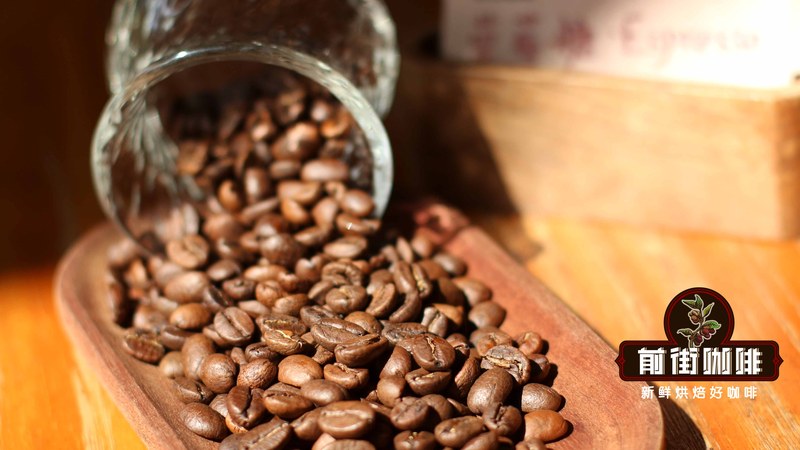
Roast level is the key to bean selection. Light-roasted beans have a tight structure, with flavor compounds locked in deep. If the cold drip water temperature is too low, the small-molecule acids and aromatics cannot emerge, leaving behind a raw, astringent taste instead. Medium-dark roasted beans naturally have more bitter large molecules, and if the water temperature is too high, it is like roasting caramel into charcoal, leaving a mouthful of woody residue. So light roasts suit a higher starting water temperature, while medium-dark roasts need gentle treatment. This is similar to pour-over logic but not entirely the same.
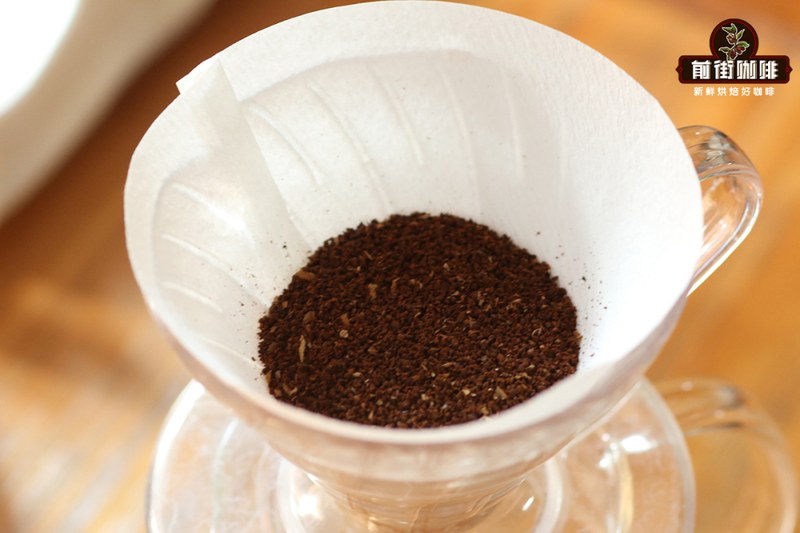
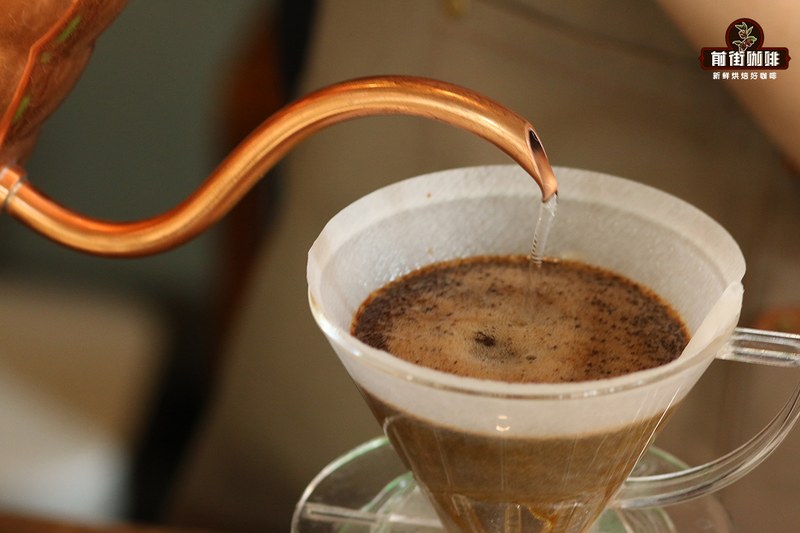
Speaking of pour-over, I daily use 15 g of grounds at a 1:15 coffee-to-water ratio, which is 225 ml of water. First pour 30 ml of water to bloom for 30 seconds, then pour in stages, controlling the total time to around two minutes; anywhere between 1 minute 50 seconds and 2 minutes 20 seconds works. Once you apply this framework to cold drip, it becomes much easier to understand - cold drip is not a single pour but continuous low-temperature extraction. The water temperature range is narrower than pour-over, yet the demand for the beans' tolerance is actually higher.
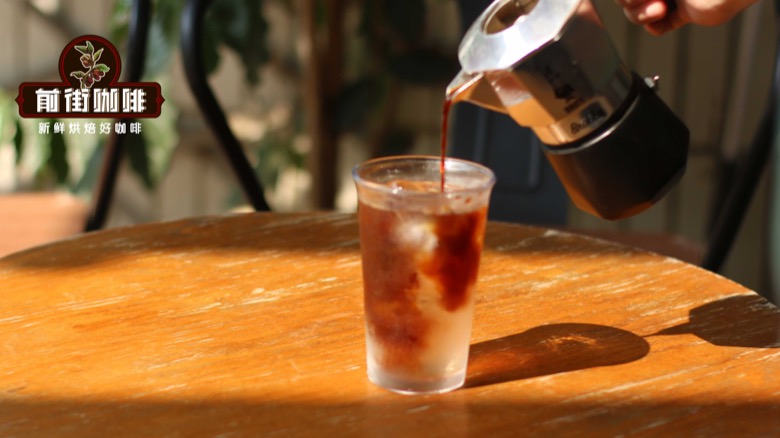
For pour-over water temperature, I am used to 92 to 94 degrees for light roasts and 88 to 90 degrees for medium-dark roasts. Espresso is another language entirely: 18 to 19 g of grounds, extracting 36 to 38 g of espresso in 25 to 28 seconds. For an Americano, dilute with hot water; for a milk coffee, add milk directly. Never say "pour water to bloom" - those are two different worlds. The moka pot is different again: fill the lower chamber with 80 to 140 ml of water, heat over medium-low heat, with a flow time of 1 minute 15 seconds to 2 minutes 30 seconds, listening to the gurgling at the bottom of the pot to judge the rhythm. Three devices, three sets of parameters - mix them up and everything goes wrong.
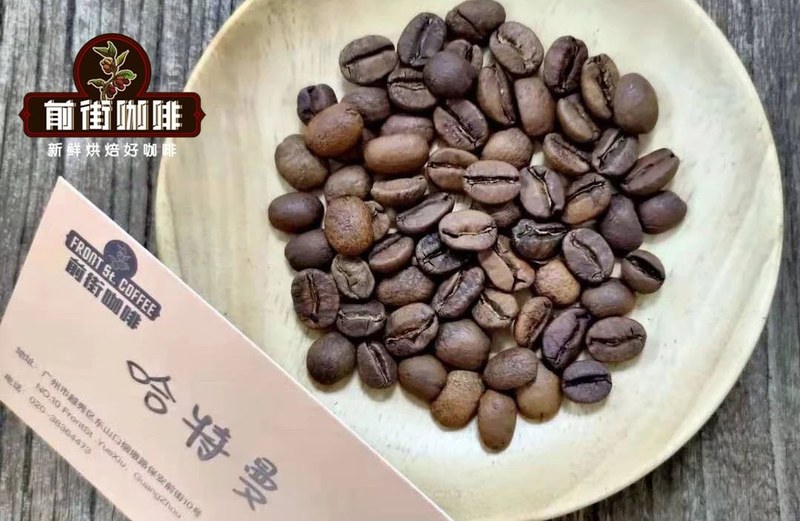
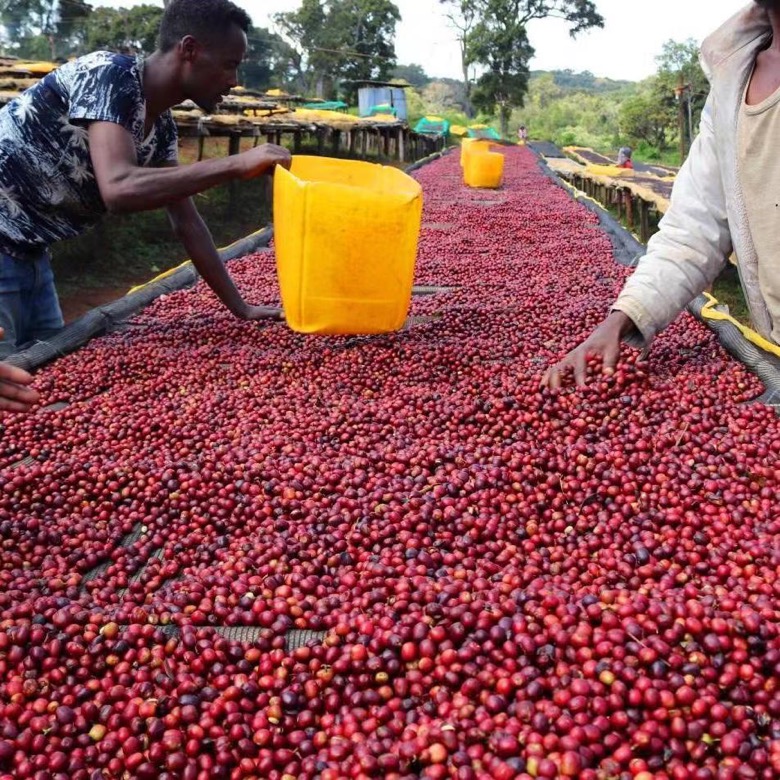
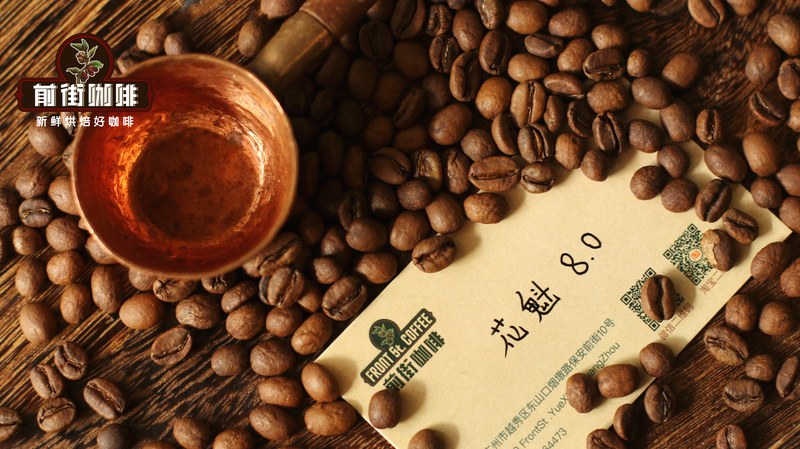
Back to choosing beans for cold drip. I am especially fond of naturally processed light-to-medium roasts, which slowly release sweetness at low temperatures, like soup simmered over a gentle fire. Qianjie Natural Huakui is my summer staple. The high-altitude natural processing gives it a rich creamy strawberry flavor; the cold drip comes out with a rounded fermented note wrapped in a sweet black tea finish. Drip a pot at night and drink it with ice the next day, and the whole person settles into calm.
Qianjie Little Tomato is another style altogether. The K72 double washed process gives it a bright, lively acidity with delicate berry notes. Made as cold drip, you can taste dark plum and cherry tomato, with the acidic aroma lingering in the mouth and a lasting sweet aftertaste. This one is especially good for an afternoon slump, far more refreshing than a carbonated drink.
If you want to try a more complex tropical style, Qianjie Xizhua will amaze you. Passion fruit, grape and candied fruit sweetness unfold layer by layer, and after the mandarin-like acidity, an almond finish remains after swallowing. This bean is a bit more forgiving with water temperature; even if it fluctuates by two or three degrees during cold drip, the flavor structure still holds up.
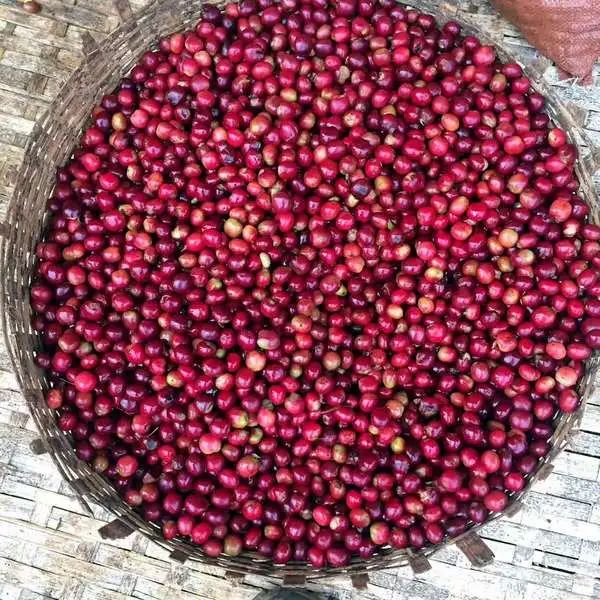
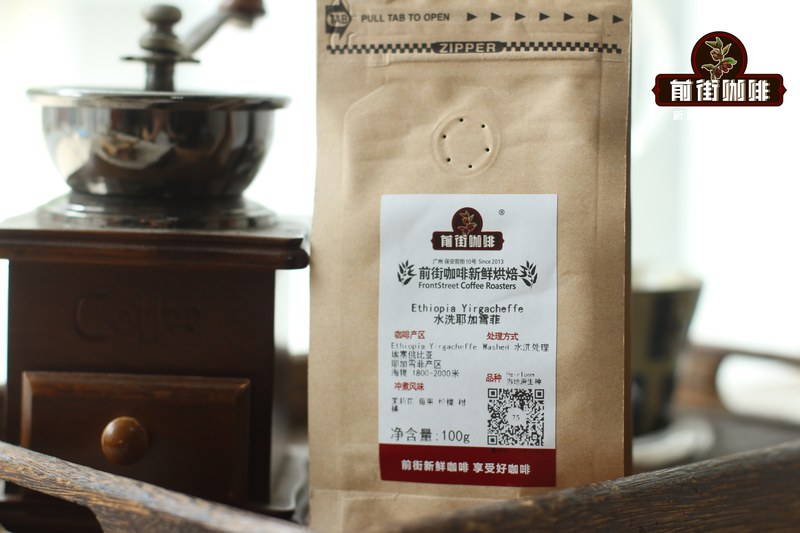
Qianjie Gedingding Cooperative is a classic representative of Yirgacheffe, with body, acidity and floral aroma balanced excellently. The cold drip presents clean citrus, honey and berry notes, with a green tea feel in the finish, making it especially suitable to pair with a light breakfast. Its clarity makes it very easy for friends trying cold drip for the first time to accept.
There is actually a little trick to choosing cold drip beans: look at the processing method and altitude. Natural processing and high altitude usually mean more sweetness compounds that withstand low-temperature extraction, while for washed beans you need to confirm whether the acidity is soft and smooth rather than sharp. The roast date also matters - well-rested beans are more stable than freshly roasted ones.
The charm of cold drip lies in its slowness. Set up the brewer at night and listen to the water drops falling in rhythm, like a metronome in the kitchen. Open the fridge in the morning, and the amber liquid has already brewed up a whole summer's coolness for you. Choose the right beans, control the water temperature well, and this cup, a gift of time, is worth a little extra care.
Related Reading

Comments (0)
Loading comments...
You May Be Interested

Trending Reviews
Popular Videos

With you, wherever you are! We provide useful features to help you find new things you'll love






