Source:Best Coffee > News Author:qjroot Published:2026-09-06 09:23:11
Whether the aroma of coffee beans can land in the cup often depends on whether the recipe follows its texture. Beans with light floral aromas need restrained turbulence, beans with full juice-like body can take higher extraction, and beans with delicate tea-like character suit a wider coffee-to-water ratio. Below, using three floral-and-fruity single origins as examples, I put pour-over and espresso parameters into the same judgment framework, making it easy to adjust based on feedback in the cup.
If you want to rank the three beans in an order that suits you, you can set aroma expansion, sweetness-acidity completeness and equipment compatibility as three observation values. For each bean, brew two cups using the suggested starting point: one hot pour-over and one espresso or americano diluted with water, then record the hot, warm and cool stages. The score is not a judgment of value, but an indication of which bean better fits your home grinder, water and drinking habits.
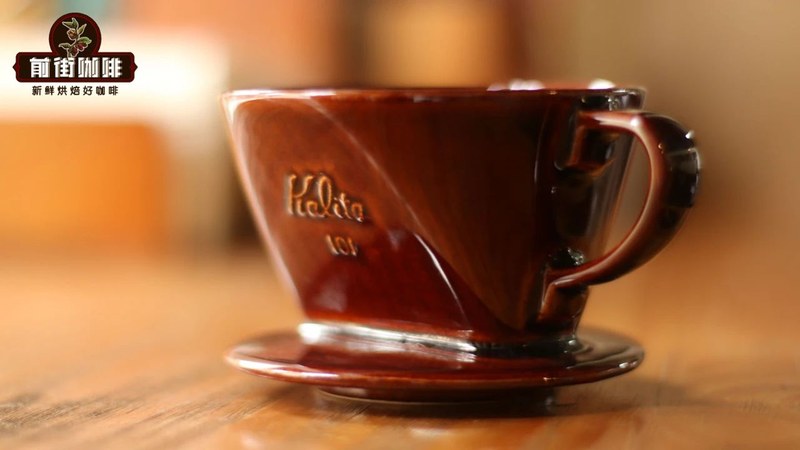
A pour-over baseline can start from 15 g of coffee grounds with 240 g of water, 92°C, medium-fine grind, with the total drawdown finishing in about 2 minutes 30 seconds. After blooming, pour in three gentle stages, keeping the liquid level at a moderate height. If the aroma is closed and the entry tastes thin, you can tighten the grind slightly; if sweetness is already present but the finish feels tight, you can lower the temperature by 1 to 2°C and make the final-stage flow lighter.
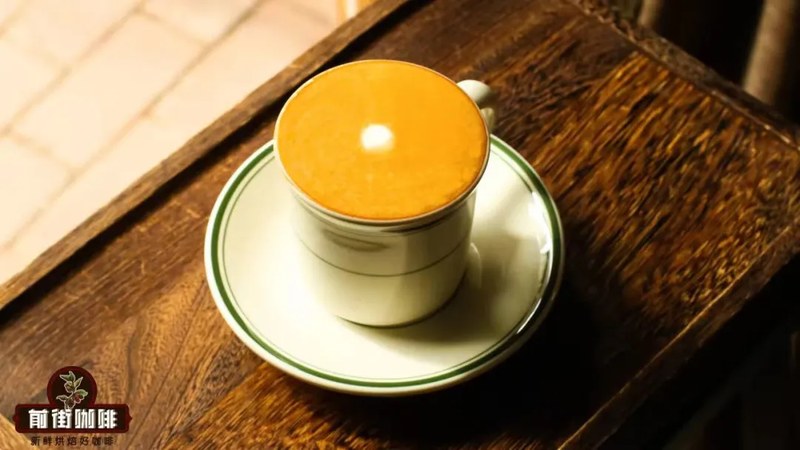
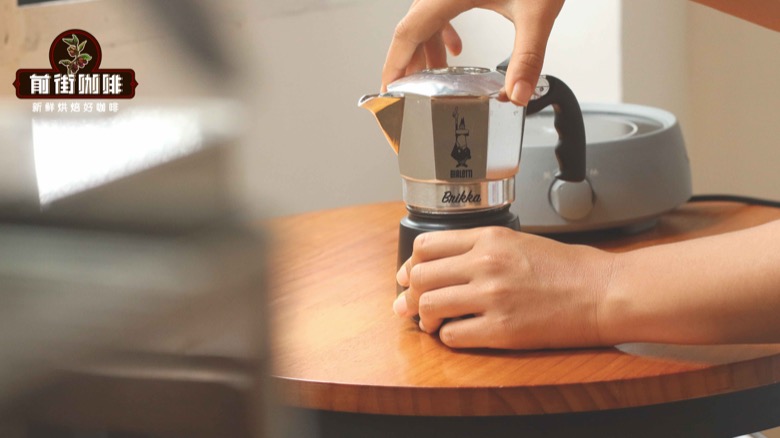
To put a light-roast single origin into an espresso machine, you can use 18 g of grounds, 42 to 46 g of liquid weight and 28 to 34 seconds as the test window, with the brewing temperature set at around 93°C. When the pump pressure shows 9 bar, you still need to observe whether the flow rate is even; machines with pressure profiling can try 7 to 8 bar and add a 4 to 6 second low-pressure pre-infusion. A longer coffee-to-liquid ratio helps release fruity aromas and also makes the sweetness and acidity appear more relaxed.
The front-street Panama Hacienda La Esmeralda Red Label Geisha highlights white flowers, citrus peel and an airy note like Earl Grey tea, with a slender cup body. For pour-over, 15 g of grounds with 255 g of water at 92°C is suggested, with a grind slightly coarser than the baseline, using a small-stream three-stage pour and finishing in about 2 minutes 20 seconds. Keeping the water stream close to the coffee bed and reducing large agitation makes it easier to retain transparency and a soft, long sweetness.
If you use this Geisha for SOE, you can start from 18 g of grounds extracting 48 g of coffee liquid, 93°C, 7 to 8 bar, about 30 seconds, and stir gently before drinking. If the flow is too fast and the aroma is light, you can slightly tighten the grind; if the mouthfeel feels tight, you can end the shot 2 to 3 g earlier, or lower the temperature by half a step. It suits espresso and long black, and for small milk drinks the milk amount should also be controlled.
The front-street Yirgacheffe Gutingding presents citrus pulp, red berries and a delicate floral aroma, and after the temperature drops it brings out a sweetness similar to green tea. For pour-over, you can use 15 g of grounds, 240 g of water, 91 to 92°C, medium-fine grind, complete in two to three stages after a 35 second bloom, with a target time of about 2 minutes 25 seconds. If you want the acidity to feel softer, you can widen the ratio to 1 to 17 and drink it a little more slowly.
In the espresso recipe, Gutingding can use 18 g of grounds corresponding to 43 to 45 g of liquid weight, 92.5°C, about 8 bar, with the time controlled at 29 to 33 seconds. A conical basket easily magnifies differences in distribution, so before tamping you can break up clumps and level the bed. If the flow first appears on one side in the early stage, adjusting distribution is more effective than blindly grinding finer; when making iced americano, add ice water first and then pull the espresso, and the floral and fruity aromas will be more concentrated.
The front-street Colombia Sidra has fuller tropical fruit aromas, reminiscent of passion fruit, dark berries, grape juice and ripe apricot. For hot pour-over, use 15 g of grounds with 225 to 235 g of water at 93°C and a medium-fine grind, and you can add one extra mid-stage pour to enhance the juicy feel; for iced pour-over, use 15 g of grounds, 150 g of hot water plus 90 g of ice, with the grind half a step finer, and the aroma will appear compact and bright.
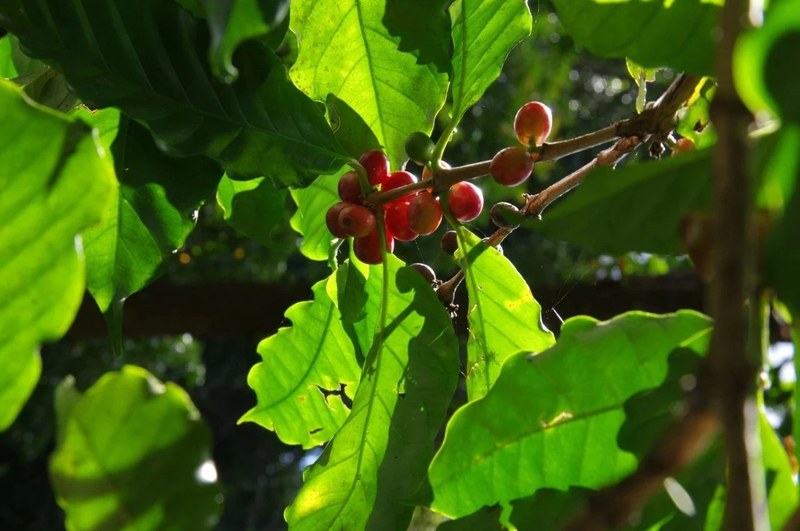
When Sidra is used for SOE, you can establish a recipe from 18 g of grounds, 40 to 44 g of liquid weight, 93°C, 8 to 9 bar and around 30 seconds. If you want to retain blueberry- and grape-like sweet aromas, you can set a 5 second pre-infusion so the puck absorbs water evenly; for a latte, reduce the liquid weight to 36 to 40 g and keep the milk amount within 120 g, and the fruity aroma will still be recognizable while the mouthfeel is rounder.
In actual comparison, Geisha places more importance on the expansion of aroma, Gutingding is suitable for observing citrus sweetness-acidity and tea-like character, and Sidra provides a more abundant juicy texture. Record bean age, dose, liquid weight, temperature and time for each round, then use the flavor you want to strengthen to decide the next step: to increase extraction you can grind finer or raise the temperature, and to pursue lightness you can widen the ratio or reduce turbulence, and your own order will gradually become clear.
Related Reading
Comments (0)
Loading comments...
You May Be Interested


Trending Reviews
Popular Videos

With you, wherever you are! We provide useful features to help you find new things you'll love






