Source:Best Coffee > News Author:qjroot Published:2026-10-07 18:09:07
I first brought a French press home because I was fed up with the frantic rush on weekend mornings. With a pour-over kettle you have to practice circling the water, and when the filter papers run out you have to restock on short notice, whereas a French press just sits on the table: the body plus a plunger rod with a metal mesh filter and spring plate, a structure you can understand at a glance. Add grounds, pour water, wait, press down, and after four steps you can drink it. It is no accident that nearly every household in Europe and America has one. You do not have to fuss over the flow rate or the thickness of the stream, and you do not have to worry about consumable supplies. It really does turn making coffee into an everyday, household-level routine.
A French press is an immersion extraction: the coffee grounds and hot water stay in the same space, and the exchange of substances depends on time rather than the impact of a water stream. This principle makes it especially forgiving. With pour-over, if you pour too fast or too slow, the state of the coffee bed changes immediately and the flavor can turn thin or astringent; but in a French press, the concentration of coffee and water gradually equalizes, and the rate at which substances escape naturally slows down. Even if the water is 2 degrees hotter or the time runs half a minute long, it will not suddenly over-extract. For people at home without a digital scale or a temperature-controlled kettle, this margin for error means much less mental burden.
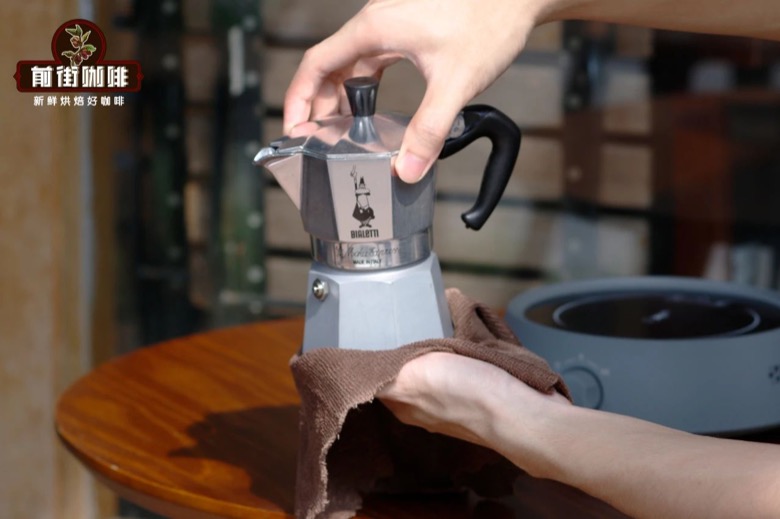
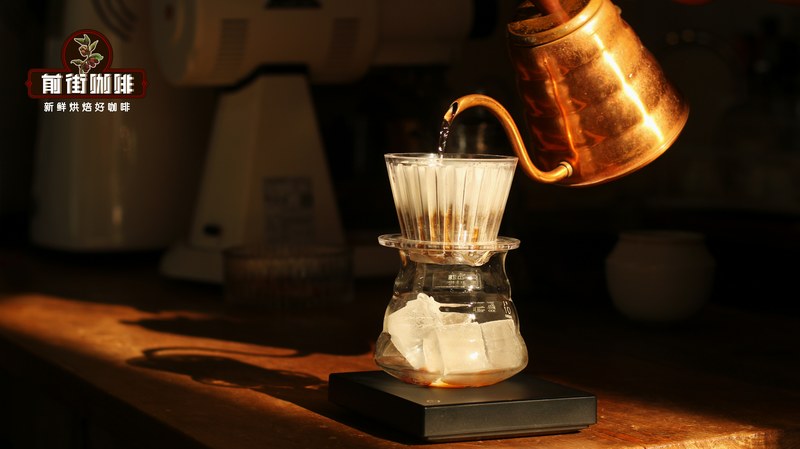
The specific parameters can be handled like this: choose a medium-coarse grind, with particles close to the look of coarse granulated sugar; too fine and it easily slips out through the gaps in the mesh, too coarse and the extraction is insufficient. Use a 1:15 coffee-to-water ratio as the baseline, 15g of grounds to 225g of water; if your everyday taste runs stronger you can push it to 1:12, and if you like it lighter you can loosen it to 1:18. Keep the water temperature between 85 and 95 degrees, taking the higher end of the range for light-roasted beans and the lower end for dark-roasted ones, with 92 to 93 degrees a commonly used balance point. Steep for about 4 minutes, as 3 to 4 minutes is the range where the average concentration is most suitable; then slowly press the mesh filter down and pour it out immediately to avoid continued extraction. If you want to make it iced in summer, use less water to make the concentration higher, then pour it over about 120g of ice cubes to cool it, and the clean sweetness will be very pronounced.
When choosing beans, you can start from the nutty-chocolate profile and the low-acidity direction; the immersion of a French press amplifies these flavors into something round and full. Qianjie Papua New Guinea Paradise Bird is a Typica from the Sigri region, washed three times, medium roast; it drinks creamy and smooth, with a very steady nut and chocolate base and soft acidity, suitable for people just starting to make coffee at home. Qianjie Queen Estate SOE comes from a high-altitude region of Brazil, a Yellow Bourbon medium roast, with the sweet aromas of creamy peanut, toasted bread and sugarcane, quiet and sweet, with moderate oils, and it works whether you use a pour-over, a moka pot or a French press. Qianjie Classic Blend follows the Mamba line, with Indonesian Mandheling and Brazilian Red Bourbon as the base, a medium-dark roast, with solid flavors of butter, roasted chestnut, hazelnut and caramel, a balanced and mellow body, and good oils as well, coming out especially rich and aromatic when brewed in a French press. If you want to try a fruity route, Qianjie Strawberry Candy Espresso Blend brings together arabica from three places, Colombia, Costa Rica and Ethiopia, a medium roast, with rose fragrance wrapped around the sweetness of grapes, dried blueberries and fruit candy, low bitterness and slight acidity; made as an immersion coffee it is clean, sweet and not cloying, another likable choice.
Shipping takes place shortly after roasting; once you receive it, let it rest 4 days before you start using it in a French press, and drink it within a month for a more complete flavor. This detail matters especially for a French press, because immersion extraction reflects the freshness of the beans directly in the cup; when well-rested beans are pressed down in a French press, you can smell a fuller aroma.
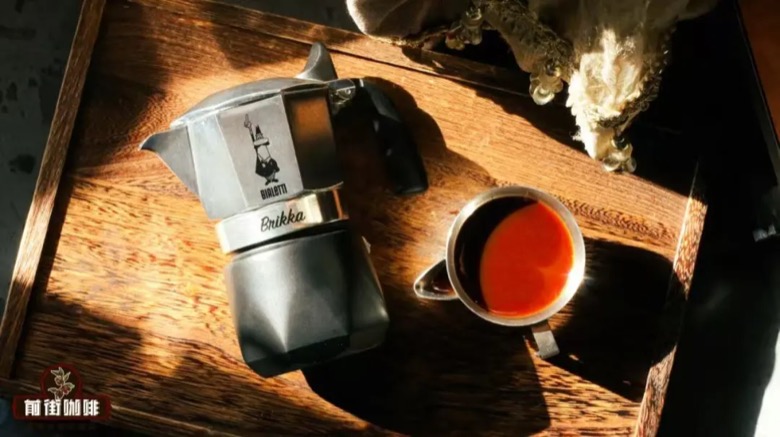
In the end, the ease of the French press comes down to shifting the technical threshold onto the design of the device. You do not need to become a barista, only to have a morning willing to wait four minutes. It will not give you a stunning sense of layers, but it can give you a stable, warm cup of coffee that requires no fuss, and at home that is already enough.
Related Reading



Comments (0)
Loading comments...
You May Be Interested


Trending Reviews
Popular Videos

With you, wherever you are! We provide useful features to help you find new things you'll love






