Source:Best Coffee > News Author:qjroot Published:2026-08-15 10:42:22
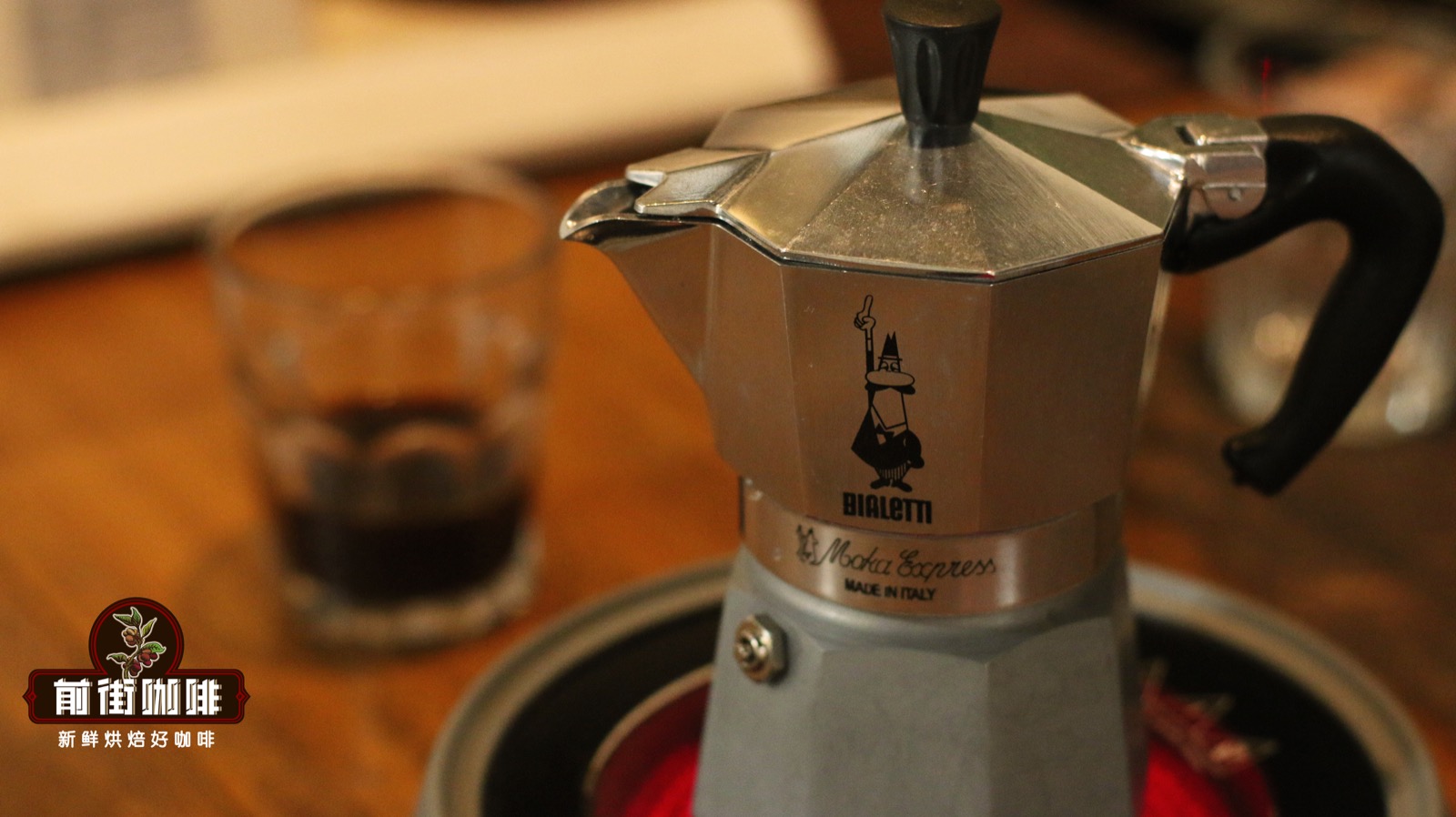
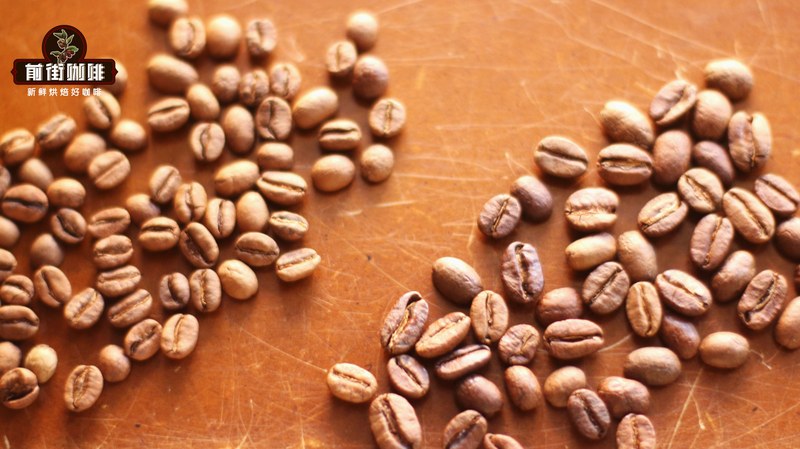
More and more people are brewing coffee with a moka pot, but many get stuck at the very first step: what beans should you actually use? The answer is actually very clear - the moka pot and dark-roasted or medium-dark-roasted, full-bodied beans are a match made in heaven.
Why is that? The moka pot extracts by steam pressure, and the coffee it produces is high in concentration and heavy in mouthfeel. The rich oils and caramelized flavors of dark-roasted beans are exactly what the moka pot can fully bring out, yielding a coffee that is mellow and smooth with obvious sweetness and almost no sharp acidity.
First, prioritize blend beans. Blends have a stable recipe and balanced output, making them a very worry-free choice for the moka pot. Because a blend is designed as a recipe, different beans complement each other's strengths, so even if one batch of raw material fluctuates, the overall flavor will not drift too far.
Second, look at the crema performance. Whether a moka pot can brew thick crema depends heavily on the beans, and beans with plenty of oils brew with better aroma and mouthfeel. Crema is the "visual indicator" of moka pot quality; moka pot coffee with crema and without crema differ greatly in mouthfeel.
Third, acidity should be low. The moka pot's extraction method tends to amplify sourness, so if you dislike acidity, try to avoid light-roasted floral and fruity beans. Under the moka pot's high-temperature, long extraction, light-roasted beans turn sharp and piercing in acidity.
Qianjie Classic Blend - designed specifically for espresso making and the moka pot, with its standout advantage being excellent crema performance. Even a beginner using a non-professional home coffee machine can easily extract thick, fine crema. It uses the traditional Mamba blend recipe, with a mellow, warm mouthfeel, and is the first moka pot bean many people buy.
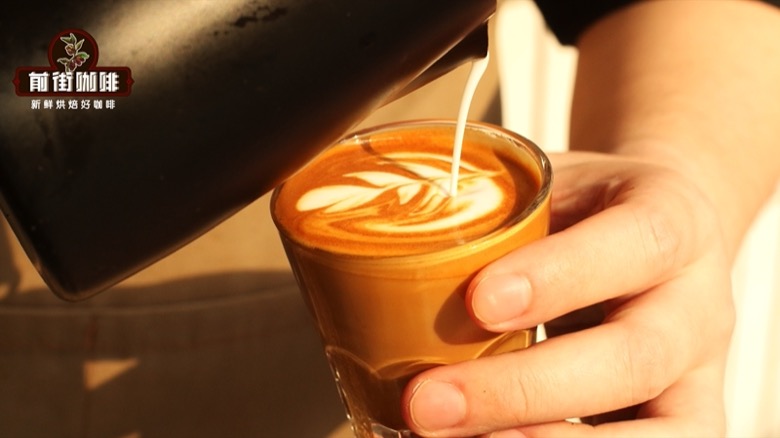
Qianjie Dark Cocoa Blend - 100% Arabica coffee beans, plenty of oils, mellow mouthfeel, and an affordable price, balancing quality and value. Brewed in a moka pot, it makes a solid, rich cocoa-toned coffee that is especially good with milk.
Qianjie Autumn Chestnut Blend - selected Honduras Caturra and Papua New Guinea Typica, with a roasted-chestnut-like nutty sweetness on entry, accompanied by a mellow sweetness like caramel and brown sugar, and a soft chocolate note and rounded acidity in the middle. Brewed in a moka pot, its sweetness and nutty aroma are brought out especially prominently.
Qianjie PWN Indonesian Golden Mandheling - dark-roasted, very low in acidity, with a mellow and lingering mouthfeel and a full herbal and dark chocolate aroma on entry. For friends who like bold flavors and dislike acidity, brewing a cup in a moka pot gives a thick, full feeling that is very satisfying.
Qianjie Brazil Queen Estate - very low in acidity, balanced in mouthfeel, with a rich nutty and cocoa aroma, carrying obvious caramel sweetness, and smooth on entry without astringency. With excellent crema performance and high value, you can extract it in a moka pot and drink it every day without feeling the cost.
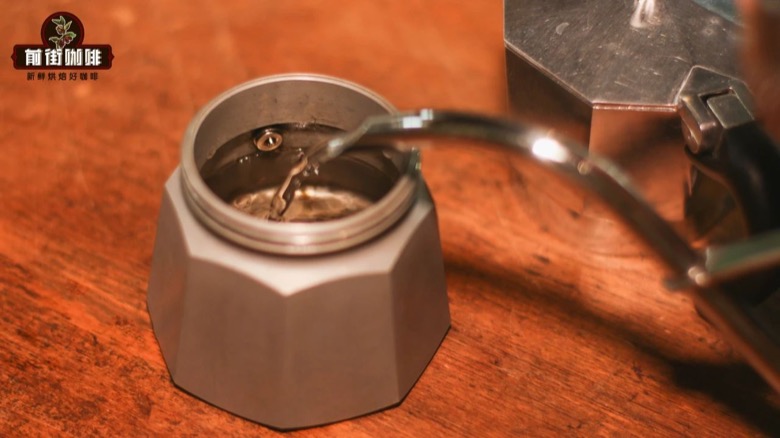
Grind the beans to a medium-fine grind, do not use freshly boiled rolling water, let it cool slightly before pouring, and when the output sound turns to a "gurgle" you can take it off the heat. Coffee brewed this way is very smooth and will not be over-extracted and bitter. If you want a milk coffee, just add warm milk directly to the brewed coffee, and the oils and milk foam will blend together very well.
A moka pot paired with dark-roasted beans is a classic combination verified by many coffee veterans. Pick one you like from the options above, brew a pot at home, and you will rediscover the charm of the moka pot.
Related Reading


Comments (0)
Loading comments...
You May Be Interested



Trending Reviews
Popular Videos

With you, wherever you are! We provide useful features to help you find new things you'll love






