Source:Best Coffee > News Author:qjroot Published:2025-03-16 15:18:59

In 2004, Hacienda La Esmeralda entered the Geisha variety in the Best of Panama (BOP) competition and auction. With its exquisite floral, jasmine and peach-like aromas, Geisha won first place and broke the coffee auction price record at the time. Since then, the Geisha variety has grown ever more famous, and today it has become one of the most popular coffee varieties in the world. As a result, many people ask why the Geisha variety has such a unique flavor.
Like any coffee, the Geisha variety has its final flavor expression shaped by factors such as region, climate, terroir and different processing methods. The refined flavor of the Geisha variety comes largely from its specific growing environment. The Geisha variety is very demanding about its growing environment, because the plant itself is very fragile: it needs a growing environment with plenty of shade, and it needs high altitude and fertile soil to bring out its flavor.
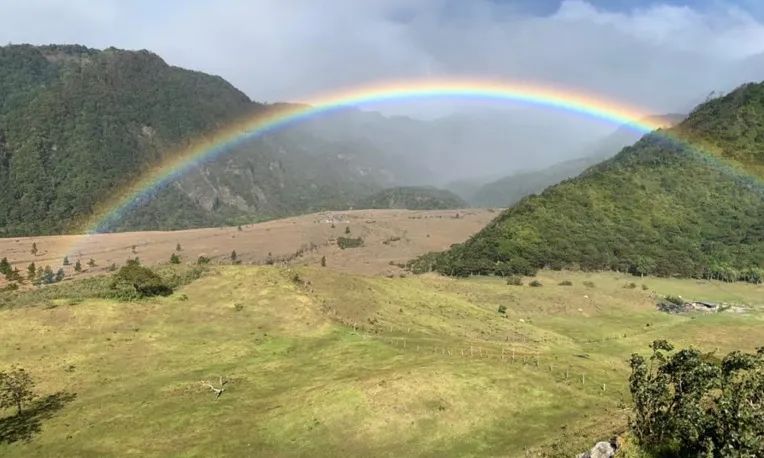
When people talk about the Geisha variety, they always mention Panama. As the place where Geisha coffee first rose to fame, Panama itself has abundant terrain and climate, making it very suitable for coffee growing. Apart from the flat plains along its northern and southern coasts, Panama is mostly mountains and volcanic ranges. It lies close to the equator and has a tropical maritime climate: humid days, cool nights, moderate temperatures, and a large diurnal temperature difference, which can slow the growth of the coffee fruit and develop more flavor. There are also clearly distinct dry and rainy seasons throughout the year, and the fertile volcanic soil and diverse terrain create unique microclimates, providing excellent environmental conditions for coffee growing.
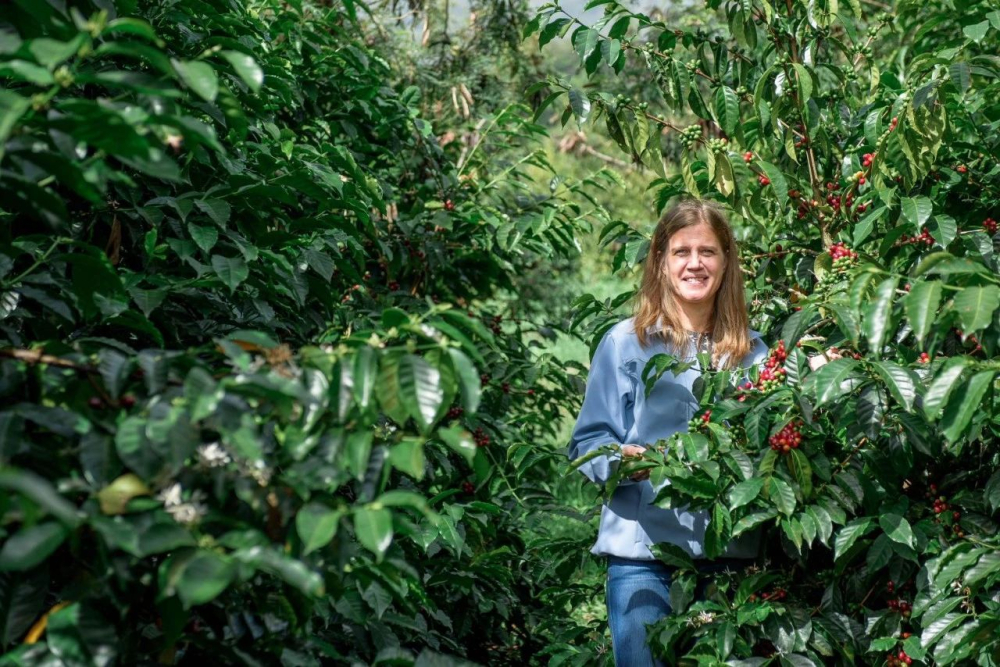
Later, identification revealed that Geisha, like other Arabica varieties, originated in Ethiopia. It was discovered in 1931 in the forests of southwestern Ethiopia, then sent on to many countries, and was introduced to Panama in 1970. Later, after the Geisha variety became famous, other coffee-producing countries also introduced and planted the Geisha variety, such as Costa Rica and Colombia.
Although the variety is the same, a different growing environment also affects its final flavor. Whether it is Panamanian Geisha or Geisha from other producing countries, its flavor expression shows floral and citrus notes, but overall it lacks the complex, rich flavor of Panamanian Geisha. Panama's growing environment allows Geisha coffee to develop refined, elegant fruit acidity and floral aromas, and it is precisely because of this flavor that Panamanian Geisha coffee has become popular around the world.
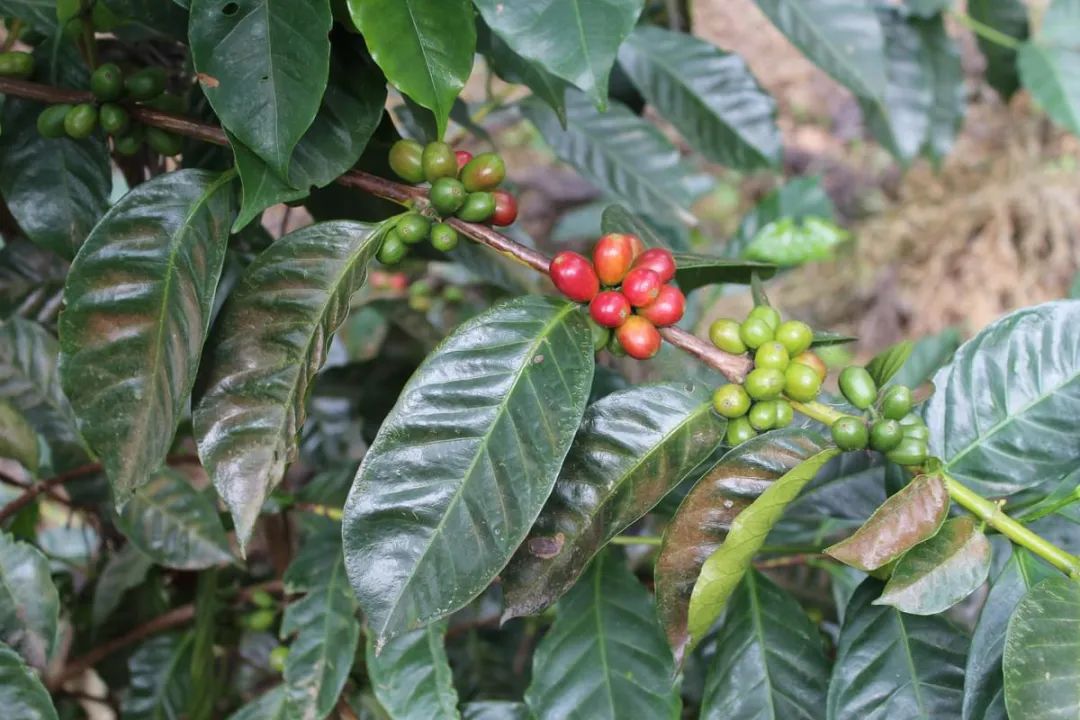
In addition, both Panama Geisha and Ethiopian Geisha originate from the forests near Geisha Mountain in Ethiopia, but the difference is that the Geisha discovered in 1931 is only one member of the Geisha line, and over many years it passed through coffee laboratories in various countries; it is a coffee variety that has been continuously cultivated, so its flavor is more ultimate.
In Panama, many coffee estates are family-managed. This is because the United States helped Panama build the canal, which led many American elites to move south and settle in Panama. For example, Rudolf Peterson, the owner of Hacienda La Esmeralda, was a former American banker who settled in Panama after retirement, bought Hacienda La Esmeralda, and handed it over to his descendants to manage. Therefore, these estates have ample funds to invest in coffee cultivation and processing, making the flavor more refined.
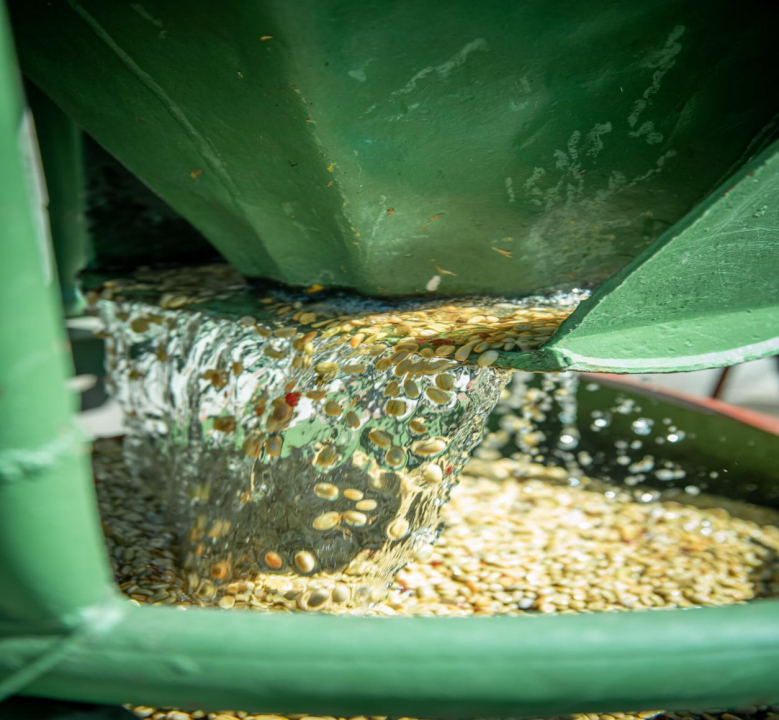
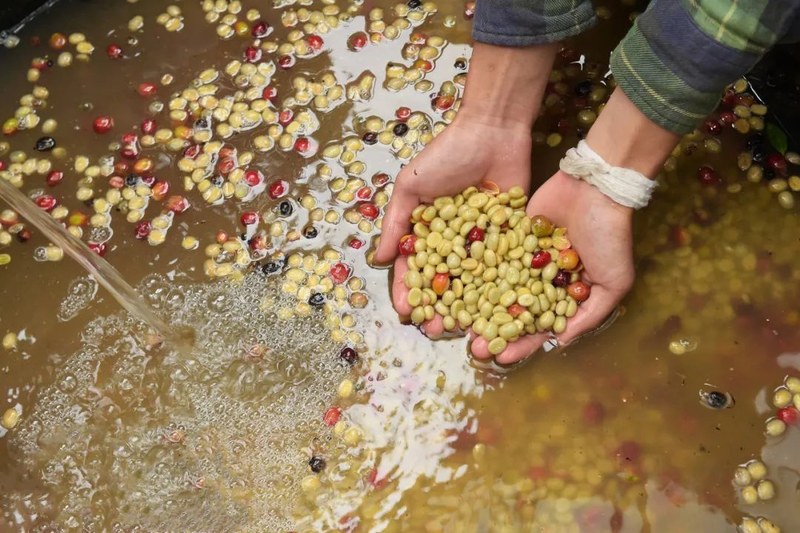
Even in Panama, many Geisha varieties use traditional natural or washed processing. Washed processing can make coffee production quality more stable and present a higher level of cleanliness and a more refreshing flavor profile.
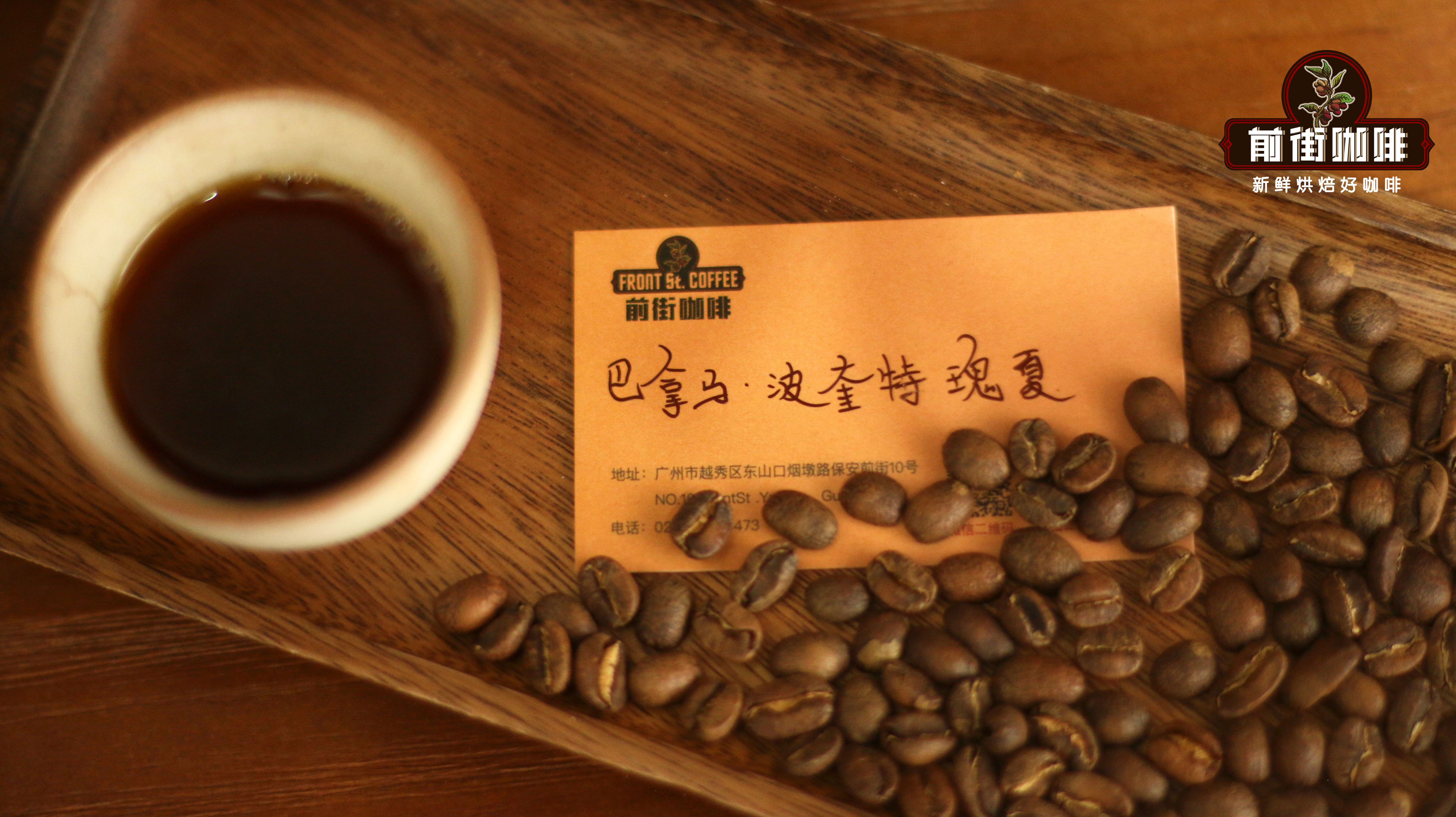
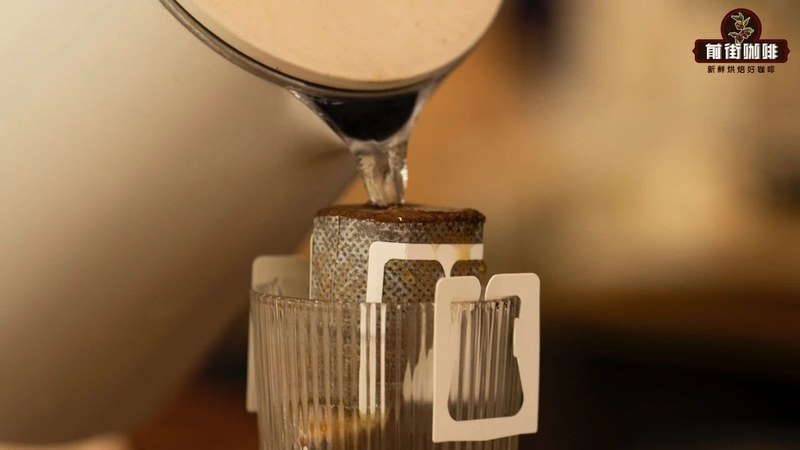
Through cupping, Qianjie found that coffee from Panama's Boquete producing region shows rich floral aromas and complex fruit notes, with Boquete Geisha being one of the representative coffee beans. Qianjie roasters hope to retain more high-quality acidity and floral aromas, so they choose a medium-light roast. After brewing, it has white floral aromas, citrus and lemon flavors, honey-like sweetness, and a finish reminiscent of green tea.
Related Reading



Comments (0)
Loading comments...
You May Be Interested


Trending Reviews
Popular Videos

With you, wherever you are! We provide useful features to help you find new things you'll love






