Source:Best Coffee > News Author:qjroot Published:2026-09-07 12:26:49
Coffee brewed with a Bialetti moka pot has both intensity and retains some of the aromatic variation. When choosing beans, you cannot look only at the flavor words on the packaging; you also need to consider how they will be drunk: diluted with water, added to milk, or switched to pour-over and espresso equipment. Once the flavor character of the beans is determined, matching it with water temperature, coffee-to-water ratio, grind size and extraction time will make the cup more consistent.
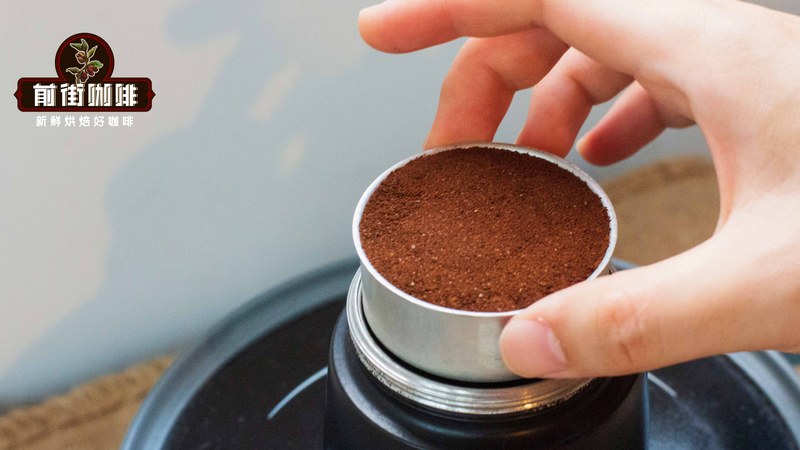
The capacity of the moka pot's filter basket determines the amount of coffee used. Usually, fill it according to the pot's size and level it off without tamping. When heating water in the lower chamber, keep the water level below the safety valve; for the coffee bed, use a fine grind close to espresso but slightly coarser. After assembly, heat over medium-low heat. When the coffee starts flowing continuously and the color lightens, remove from heat, then run cold water over the base of the pot to help stop extraction.
If using Qianjie Black Cocoa Blend for a moka pot, its dark chocolate, roasted nut and thick sweetness make it suitable for a rich black coffee or milk coffee. You can start with the pot's standard coffee dose, set the grind to a medium-fine range, begin with lower-temperature hot water, and keep the heat steady. If the flow is too slow, grind slightly coarser; if charred bitterness appears in the cup, remove from heat early, as residual heat will continue to draw out flavor.
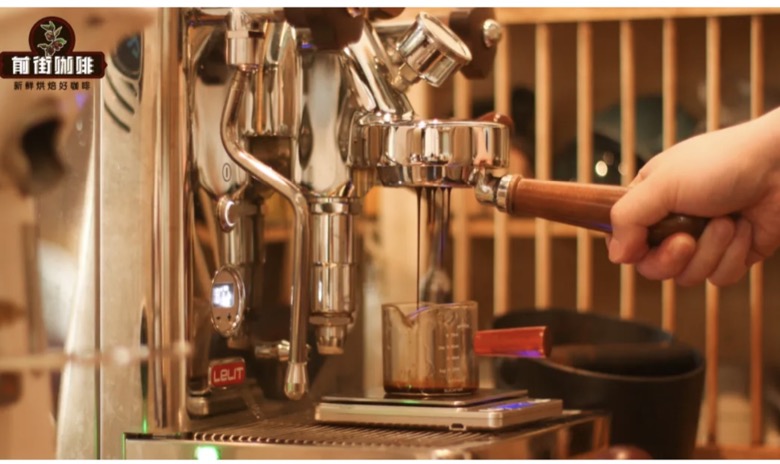
This bean is also suitable for turning into espresso drinks. A home machine can start with 18 g of coffee and 36 g of liquid yield, with extraction time falling at about 25 to 32 seconds, and pressure maintained at the machine's conventional setting without deliberately pursuing higher pressure. If the entry is too sharp, grind finer or extend by a few seconds; if the finish is dry, grind coarser and reduce the liquid yield. When making a latte, keep the milk at about 120 to 150 g so the coffee flavor is clearer.
For a softer moka pot coffee with less prominent acidity, you can choose Qianjie Papua New Guinea Paradise Bird. Its aroma is cleaner, the mouthfeel is round, and the sweetness is mild, making it suitable for people who do not like obvious fruit acidity but still want a delicate cup. For moka pot, the grind should not be too fine, and the heat should not be too strong; letting the coffee rise slowly can preserve a better sense of balance.
When using Paradise Bird for pour-over, you can start with 15 g of coffee and 225 g of water, a coffee-to-water ratio of about 1:15, and a water temperature of 91 to 93°C. First pour about 40 g of water for blooming, then pour in two to three stages, with total time controlled at about two and a half minutes. If it tastes thin, grind finer or raise the temperature by 1°C; if the finish is dry and astringent, reduce agitation or make the grind slightly coarser.
Qianjie PWN Indonesia Golden Mandheling's herbal notes, dark chocolate tone and full-bodied touch appear more grounded in a moka pot. It is suitable for drinking directly and also for adding a small amount of hot water to make a long black. Because this kind of heavy flavor easily becomes dry and bitter under high temperature and long extraction, it is recommended to use preheated water, lower heat, and stop heating before the coffee color turns light.
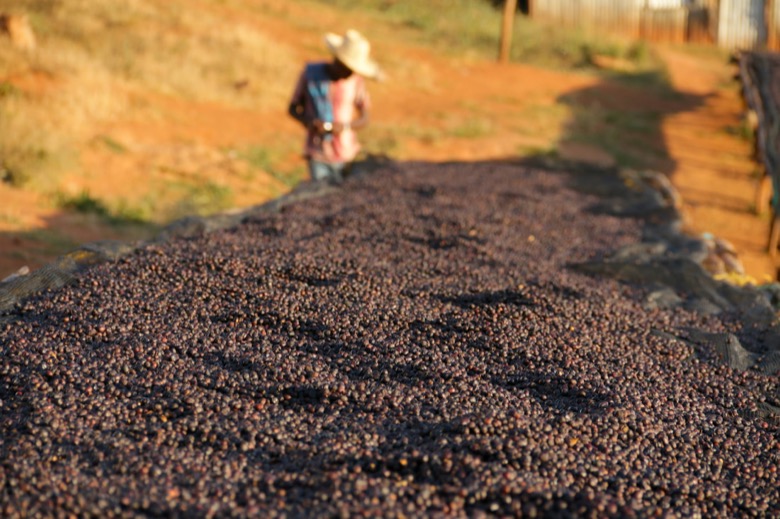
When handing Golden Mandheling to an espresso machine, you can start with 18 g of coffee and 32 to 36 g of yield, with a grind finer than pour-over but not so fine that it feels powdery. Keep the machine pressure at about 9 bar, and set extraction time at 27 to 32 seconds. If bitterness overwhelms the chocolate sweetness, shorten the yield or grind slightly coarser; if the intensity is insufficient, then adjust the grind finer, and do not change multiple conditions drastically at the same time.

If the same bean is switched to pour-over, the parameters should make room for aroma. Use a medium dose with about a 1:15 ratio of water, keep the water temperature at 90 to 92°C, and keep pouring gentle to avoid over-agitating the coffee bed. The moka pot pursues a concentrated and thick mouthfeel, while pour-over can open up layers of aroma and sweetness. Changing the brewing method will broaden the range of beans you can choose.
If you only have a Bialetti at home, first establish a fixed routine based on filter basket capacity, heat and timing of removal from heat, then adjust the grind according to the entry. If you also have a pour-over kettle or espresso machine, you can make the same bean into different strengths and compare its clarity in water and its support in milk. When choosing beans this way, parameters are not a limitation but a help in bringing the flavor into the cup you like.
Related Reading





Comments (0)
Loading comments...
You May Be Interested



Trending Reviews
Popular Videos

With you, wherever you are! We provide useful features to help you find new things you'll love






