Source:Best Coffee > News Author:qjroot Published:2024-09-17 18:55:49
In the global coffee market, coffee is mainly divided into three major species: Arabica, Robusta and Liberica, and under these major species there are countless sub-varieties. At present, the most famous commercially cultivated tree species are Arabica and Robusta; Arabica accounts for about 60% of the global coffee market, while Robusta accounts for about 40% of the global coffee market.
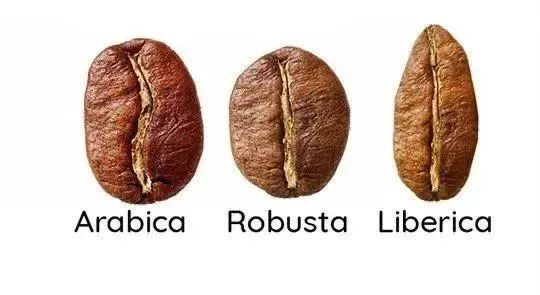
Robusta is able to hold a certain share of the global coffee market precisely because of the characteristics of this variety. Arabica has 44 chromosomes and is self-pollinating, while Robusta has only 22 and is cross-pollinating, and the caffeine content of the Robusta variety is twice that of Arabica varieties. So Robusta lacks the similar aromatic fragrance of Arabica varieties; Robusta has a stronger, more punchy taste and is much more bitter. But it contains a large amount of caffeine and has a higher body, so it is the undisputed choice of raw material for most instant coffee, and this variety is also rich in oils, so Robusta coffee varieties are also added to espresso blends in many cases.
According to records, the Robusta variety was discovered by a Belgian scholar in 1898 in the Congo Basin in Africa (present-day DR Congo). In fact, Robusta belongs to the Coffea canephora species, also called the Congo species, just as Typica belongs to the Arabica variety, but only one Robusta variety of the canephora species can be commercialised and is well known to people, so nowadays Robusta has almost replaced canephora as the byword for this species line. The Robusta variety has characteristics such as high yield, strong resistance to insects and disease, and strong environmental adaptability, so among the many coffee-producing countries around the world, quite a few countries grow and export Robusta coffee varieties.
Brazil
Brazil is the world's largest coffee producer and exporter, growing both Arabica and Robusta varieties, of which Arabica is the main export variety, accounting for 60% of total coffee exports, while Robusta accounts for 40% of total coffee exports. Coffee first entered Brazil in the 18th century, when the Arabica variety was planted, and coffee quickly spread across Brazil. By the 19th century, Brazil's coffee production accounted for 30% of global coffee production, while also boosting Brazil's economy.
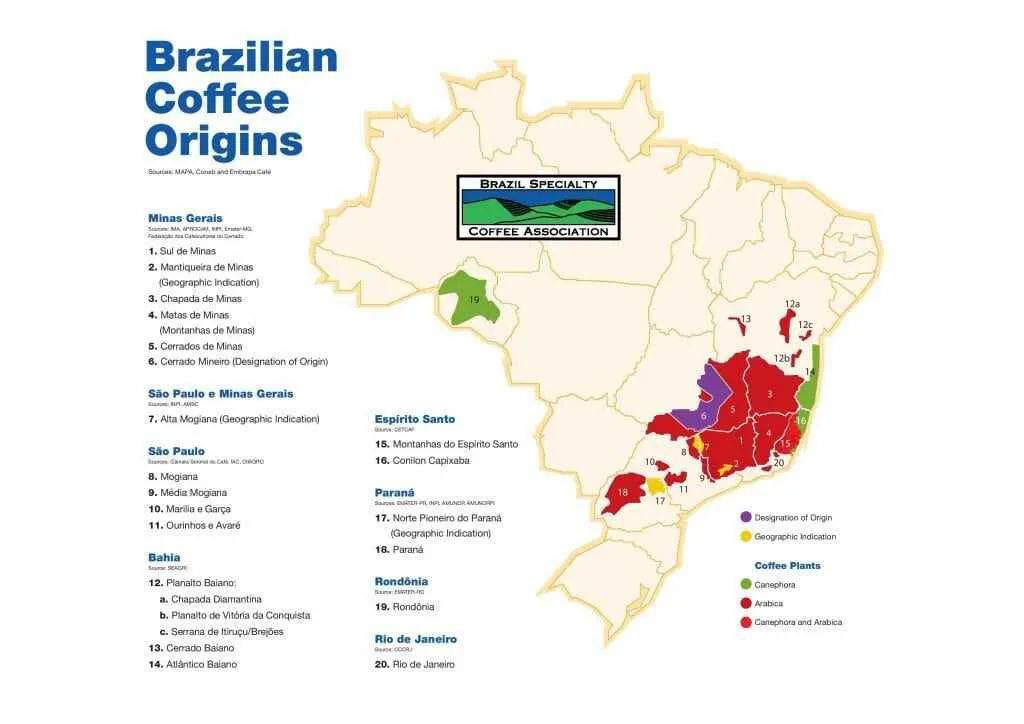
By the 20th century, the Robusta variety began to enter Latin America, spreading through commercial cultivation in many Latin American countries. However, the Arabica variety is more fragile and susceptible to climate change, so some growers in Brazil began switching to Robusta. Moreover, Robusta coffee is known for its drought tolerance, strong disease resistance and adaptability to poor environments, so its growing conditions in Brazil are relatively wide-ranging.
Vietnam
Vietnam is now the world's second-largest coffee producer and exporter. Unlike Brazil, most of Vietnam's production and exports are of the Robusta coffee variety. Although Arabica is also grown in northern Vietnam, the Arabica variety accounts for only 2-3% of Vietnam's coffee production. Moreover, thanks to Robusta's high-yield characteristics, even though Colombia's land area is about 3.4 times larger than Vietnam's, Vietnam's coffee production is greater than Colombia's, allowing it to overtake Colombia and become the world's second-largest coffee-producing country.
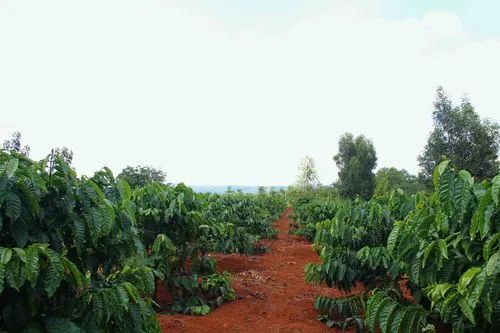
According to records, coffee was brought to Vietnam by the French in the mid-19th century and planted in northern Vietnam. It was also Arabica, and at that time mainly grown on plantations. But at the end of the 19th century, coffee leaf rust was prevalent in Asia, and Vietnam was not spared, so production fell severely. It was not until the 20th century that Vietnam implemented land reform, allocating land to farmers to cultivate, and coupled with the fact that global coffee prices began to rise, Vietnam's coffee production grew rapidly. Because the early Arabica varieties had poor disease resistance, from this period onward, cultivation focused on high yields, so most planted Robusta. At that time Robusta accounted for half of total production, and later gradually replaced Arabica in accounting for most of production and export volume.
Indonesia
At present, Indonesia is the fourth-largest coffee-producing country, growing both Arabica and Robusta, with Arabica accounting for 15% of the country's total production and Robusta accounting for 85% of the country's total production. Indonesia is the world's largest archipelagic country, and with many mountains and volcanoes, several islands can grow coffee. Arabica is mainly grown in high-altitude mountain areas, while Robusta is grown in low-lying areas.
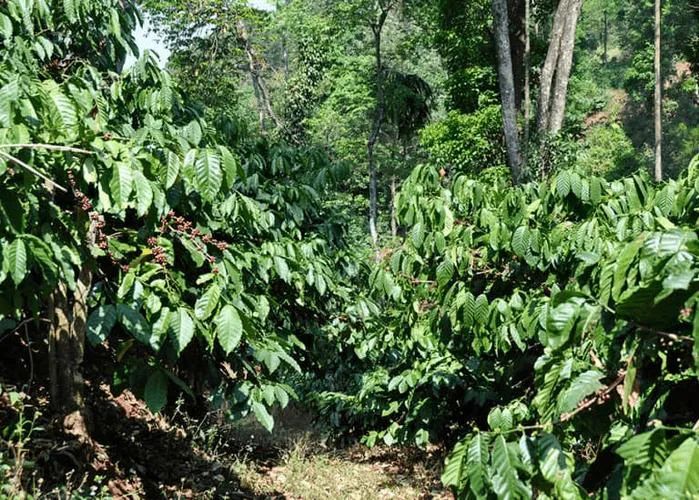
As early as the 17th century, Indonesia was a Dutch colony. Because its terrain, climate and other conditions were suitable, Arabica coffee varieties were introduced to Indonesia for cultivation. By the early 18th century, Indonesia was already exporting several thousand pounds of coffee each year. But in the 1860s, an outbreak of coffee leaf rust destroyed coffee production in several coffee-producing countries, and Indonesia was no exception. Later, Indonesia introduced the more disease-resistant and easier-to-grow Robusta to replace Arabica.
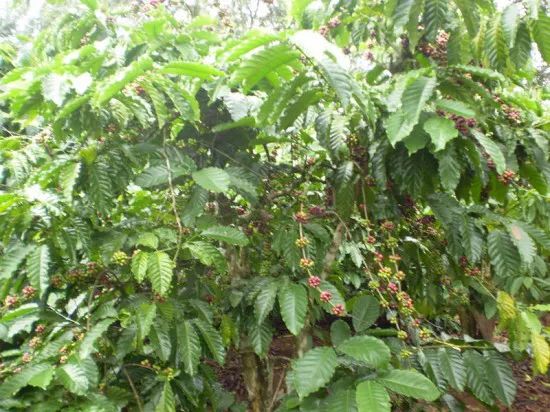
At present, Brazil, Vietnam and Indonesia are the main countries that grow and export Robusta. In addition, Uganda borders the Democratic Republic of the Congo, so there are native Robusta trees around Lake Victoria in southern Uganda, which is why the country mainly grows Robusta. India also grows Robusta and has even introduced Indian "Coffee Royal" Robusta, which belongs to the specialty grade of Robusta, but the quantity is very scarce. Apart from that, some Asian countries, West African countries and others grow Robusta varieties, and because Robusta coffee prices have recently risen, some American countries have also begun to introduce Robusta varieties for cultivation.
To learn more about coffee origins and news, please scan the QR code to follow: Kaping
Long-press the QR code to follow:

Related Reading


Comments (0)
Loading comments...
You May Be Interested



Trending Reviews
Popular Videos

With you, wherever you are! We provide useful features to help you find new things you'll love






