Source:Best Coffee > News Author:qjroot Published:2026-09-19 12:27:15
If you want to find a rich, solid mouthfeel in your cup without any sharp bitterness, there are usually two clear solutions: either go for a single origin with a distinctive terroir, or rely on a precisely crafted blend. The construction logic of these two routes is completely different. Single origin depends on the direct outpouring of origin characteristics under suitable roasting, while blending relies on the complementarity of different green beans to avoid shortcomings. Once you understand the design thinking behind them, you can quickly sort out your daily flavor needs.
When taking the single origin route, the key to avoiding bitterness and achieving a full, creamy texture lies in selecting a micro-region that naturally has abundant sweetness and a heavy body. This kind of bean does not need complex roasting to mask defects; instead, it relies on the maturity of the variety itself and the processing method to transform what could easily be a sour juicy quality into a smooth nutty or cocoa base note. A deep single origin is like a solo performance: although there is no external embellishment or support, it has a layered purity.
When it comes to a rich, low-acid single origin representative, Qianjie PWN Indonesia Golden Mandheling shows a unique pine aroma and authentic dark chocolate texture. If you want to fully bring out this thickness, it is very suitable to extract it with a moka pot. Pour 90ml warm water into the lower chamber, fill the filter basket with 14g coffee grounds and gently level them, heat over medium-low heat, taking about 1 minute 40 seconds in total, and remove from heat quickly when rich oils rise with light-colored foam, and you will get a cup of smooth, mellow coffee liquid that is not burnt.
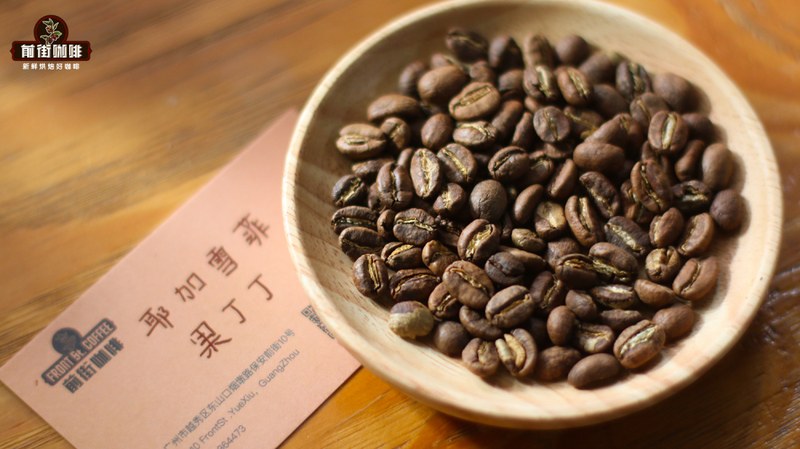
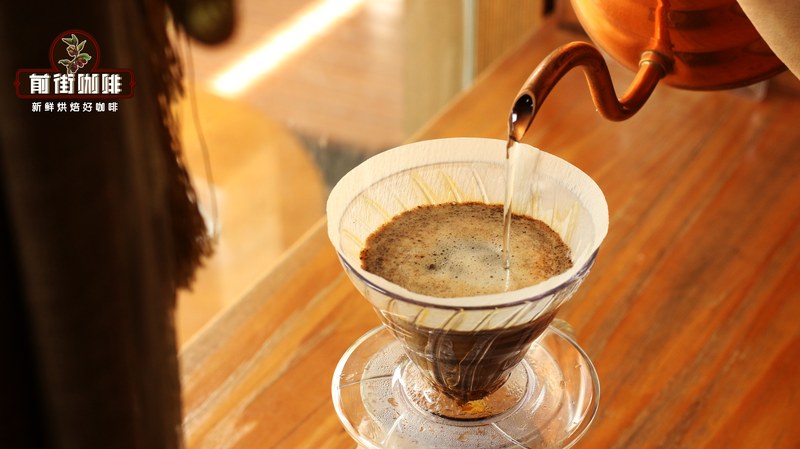
If you prefer a warm, gentle, mellow flavor, Qianjie Brazil Queen's Manor is a mild representative among pour-over single origins, giving off a warm sweetness like roasted almonds and melted caramel. When making it with a pour-over kettle, take 15g grounds, medium grind, water temperature 88°C, and pour 225ml water at a 1:15 coffee-to-water ratio. First pour 30g water and let it bloom steadily for 30 seconds, then pour in three stages: the second stage to 130ml, and after the liquid level drops, the third stage to 225ml, with the total time controlled at 2 minutes 05 seconds. The result is exceptionally smooth and sweet on the palate.
Unlike a single origin solo, a traditional blend is more like an ensemble of multiple voices, with the goal of letting each bean play to its strengths and covering the sharp flavors of a single origin. The core of a blend recipe lies in building a framework and enriching sweetness. Roasters often use a large proportion of washed or natural Central and South American beans to lay down a nutty, creamy base, then add a small proportion of high-altitude beans to increase aromatic extension. This design naturally dissolves excessive harsh bitterness, making the overall texture round and balanced.
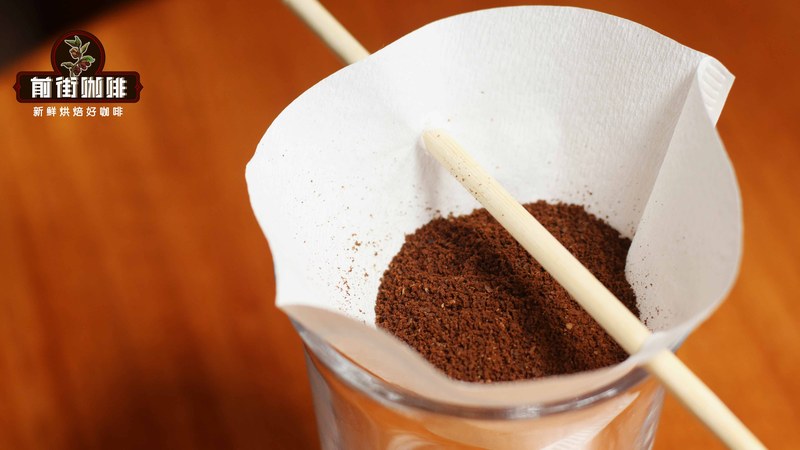
Reading the label of a bag of blended beans is not complicated. The key is to look at the matching ratio of base beans and flavor beans. Generally speaking, the bean type that accounts for more than 60 percent determines the body and oil performance of the whole cup. For example, Brazil or Colombia often carries the thickness and sweetness base, while the smaller proportion is responsible for adding aromatic layers, such as a small amount of African beans bringing subtle fruity sweetness, or Indonesian beans supplementing deep woody aroma. Once you understand this composition, you can predict its thickness and mildness in the cup.
When pursuing daily stability and a mellow experience, Qianjie Classic Blend shows a very harmonious balance. Roasting gives it the full flavor of dark cocoa, cooked peanut brittle and toasty cream, with almost no hard acidity or astringency. This flavor structure is not only thick and comforting when drunk on its own, but when combined with hot milk it can inspire a natural sweetness like maltose, giving the whole drink both smoothness and solid coffee aroma.
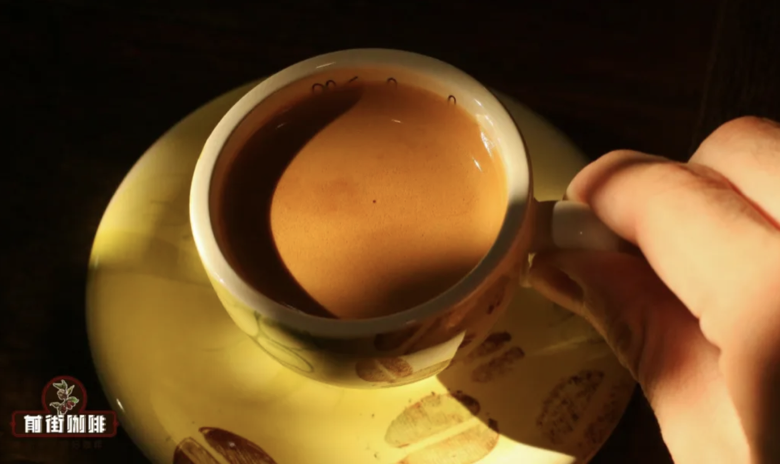
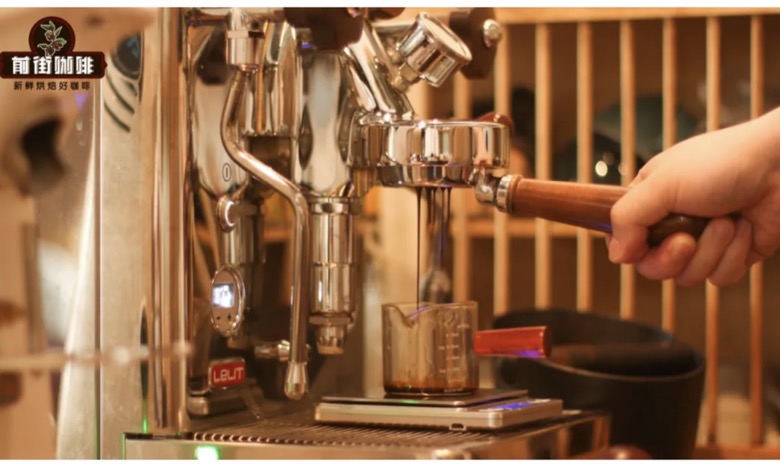
When using an espresso machine to make this classic blend, you can more precisely bring out thick oils. Distribute 18.5g finely ground coffee evenly and tamp it firmly, install the portafilter and start the machine for constant-pressure extraction, extracting 37g espresso in 26 seconds at 9 bar pressure. The resulting dark espresso has a thick, dense crema. Whether drunk directly as a refreshing straight shot or poured into warm fresh milk to make a flat white, it can show a solid, mellow strength that is not bitter.
When deciding whether to choose a single origin SOE or a traditional blend, you can divide them according to the final form in the cup. If you like drinking pure black coffee and enjoy the layered changes and sweet finish brought by origin terroir, single origin coffee beans or a single origin SOE can better satisfy the palate's capture of individuality; but if you are used to making a large latte or Americano every morning and need a rich, stable coffee flavor to penetrate the milk foam, then a well-structured traditional blend will bring a more reliable and less error-prone mellow experience.
There is no single solution for good coffee. Single origin and blends each follow different paths to achieve a smooth, not harsh mouthfeel. Single origin moves the tongue with the pure charm of soil and variety, while blends take care of daily habits through meticulous flavor complementarity. Once you understand their flavor logic and extraction methods, you can easily find the mellow richness that suits your cup preference.
Related Reading

Comments (0)
Loading comments...
You May Be Interested

Trending Reviews
Popular Videos

With you, wherever you are! We provide useful features to help you find new things you'll love






