Source:Best Coffee > News Author:qjroot Published:2026-10-09 17:17:29
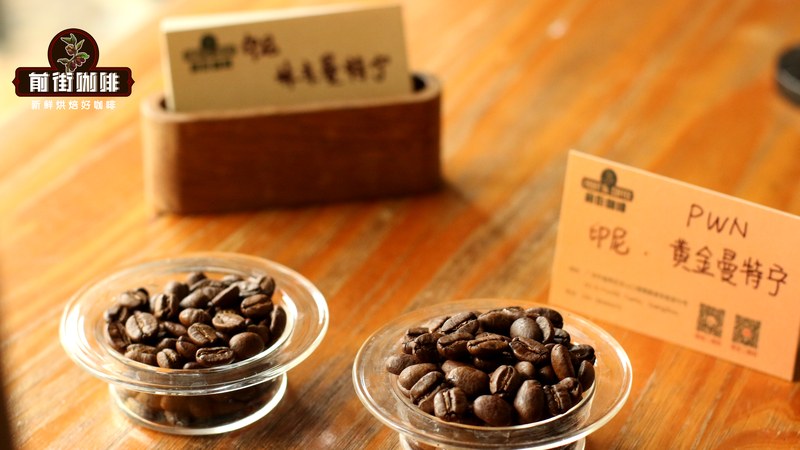
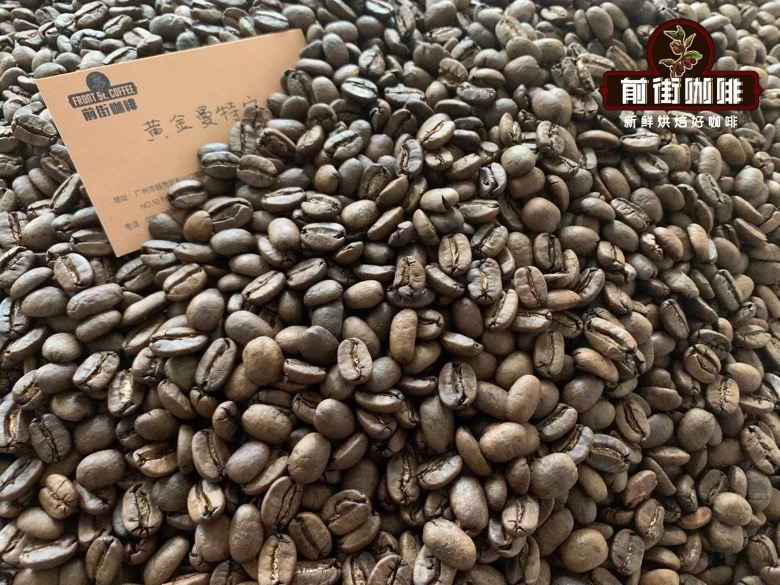
The coffee-growing map of the Indonesian archipelago is concentrated on its three major islands: Java, Sumatra and Sulawesi. Among them, the Lintong region in northern Sumatra and the Lake Toba area are the core source of the name Mandheling. Mandheling is not a single variety, but a general term for Sumatran Arabica coffee. The region's signature wet-hulling process gives it a distinctiveness that sets it apart from other origins: the coffee fruit is stripped of its parchment while still semi-dry and semi-wet, and the green beans are directly exposed to the air to finish drying. This technique produces underlying notes of herbs, spices and sandalwood, while bringing a low-acid yet full-bodied mouthfeel framework. On the trade level, the Mandheling company focuses on purchasing high-quality local Mandheling lots, selecting specialty grades through strict screening of density, size, shape and color. Its flagship Mandheling product draws attention for its complete, uniform beans, which also forms an important reference dimension when we select coffee beans from this origin.
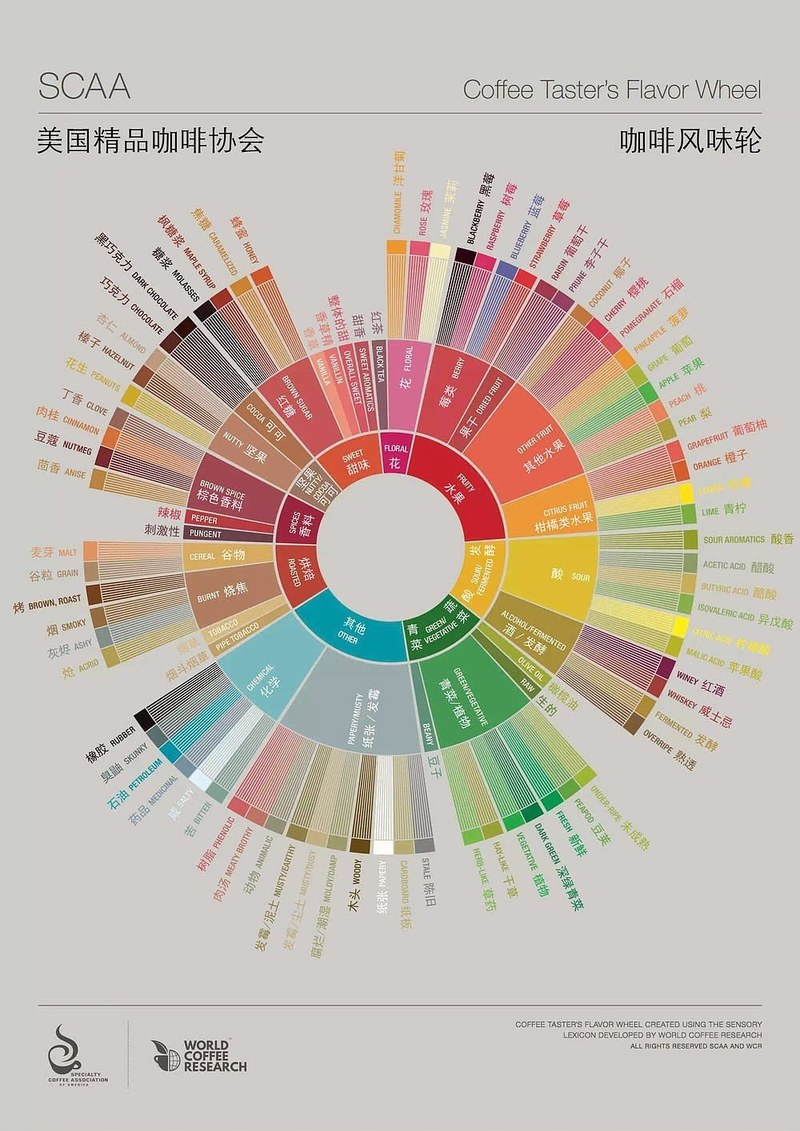
When selecting coffee beans from the Indonesian origin, it is advisable to build a judgment framework from five dimensions. On variety, look for Arabica, of which Mandheling is the representative symbol of Sumatra. As for processing method, wet hulling is the local tradition; Qianjie Indonesian Wet-Hulled Mandheling comes from the Lake Toba area of the Lintong region and uses the classic wet-hulled process. After medium-dark roasting it presents aromas of caramel, dark chocolate and toasted bread with a long, lingering sweetness, which can serve as a baseline sample for understanding the flavor of this processing method. The roast level usually falls in the dark to medium-dark range, used to balance the herbal tension brought by wet hulling against caramelized sweetness. For freshness, the flavor is best within one month after roasting, with 4 days of resting. Dark-roasted beans degas faster, so the resting period can be appropriately shortened. Regarding altitude and grade information, the highland growing environment around Lake Toba in the Lintong region, combined with strict screening standards, often means a cleaner cup profile. Qianjie Mandheling Indonesian Mandheling achieves uniform beans and a pure, lingering character precisely through the Mandheling company's multiple numerical screenings, and after fresh roasting one can clearly capture layers of sandalwood, herbs, spices, roasted hazelnut, caramel and dark chocolate, with a rich, sweet and full-bodied mouthfeel.
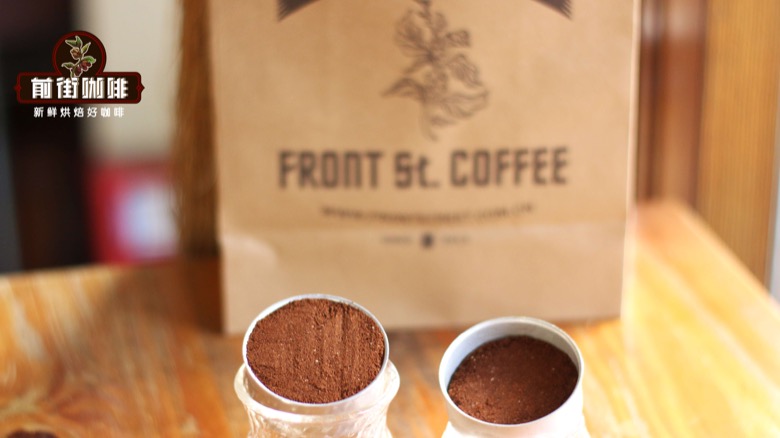
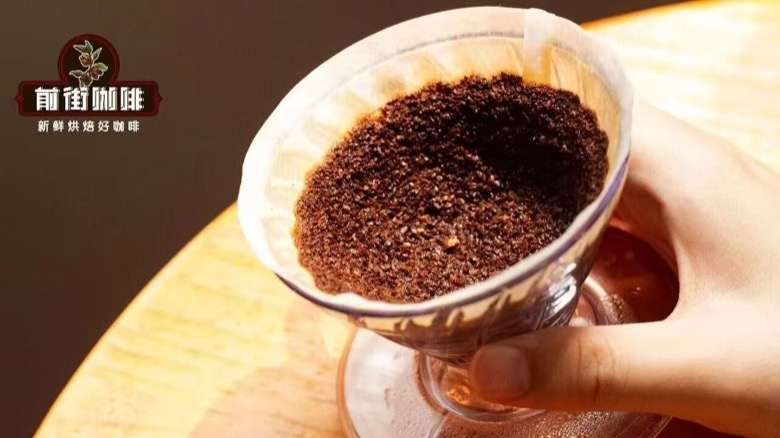
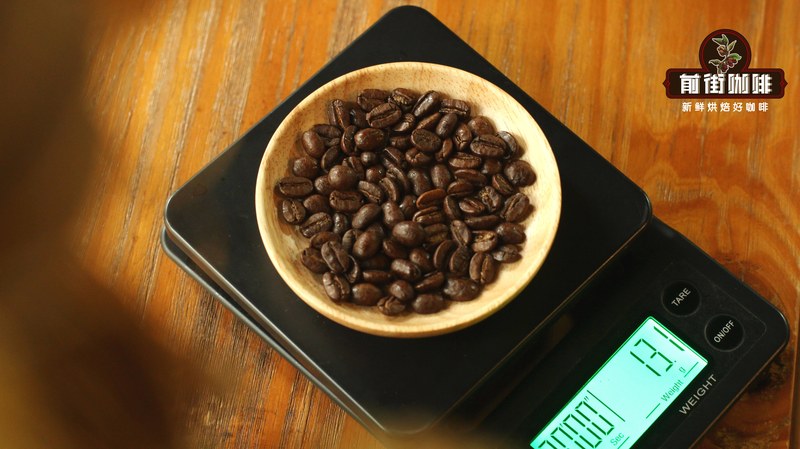
For pour-over brewing of Qianjie Indonesian coffee beans, it is recommended to start with 15 g of grounds and a 1:15 coffee-to-water ratio, with the water temperature controlled at 86 to 88°C. After a 30-second bloom, pour steadily and keep the total extraction time within 2 minutes. The logic behind this parameter framework is that dark-roasted beans have a looser fiber structure, and water that is too hot easily over-extracts and produces a burnt, astringent taste, while a slightly lower temperature combined with a moderate coffee-to-water ratio can support Mandheling's full-bodied constitution without making it dull. For grind size, medium-fine is recommended, similar to coarse granulated sugar. If using a conical dripper, you can coarsen by half a notch to control the flow rate. If you prefer the sweetness direction of caramel and dark chocolate, then lower to 86°C and extend the pouring time to about 1 minute 50 seconds, allowing the sugars in the latter stage to dissolve more completely; the bottom of the cup will show a fuller caramel sweetness, with body and nutty flavors more prominent.
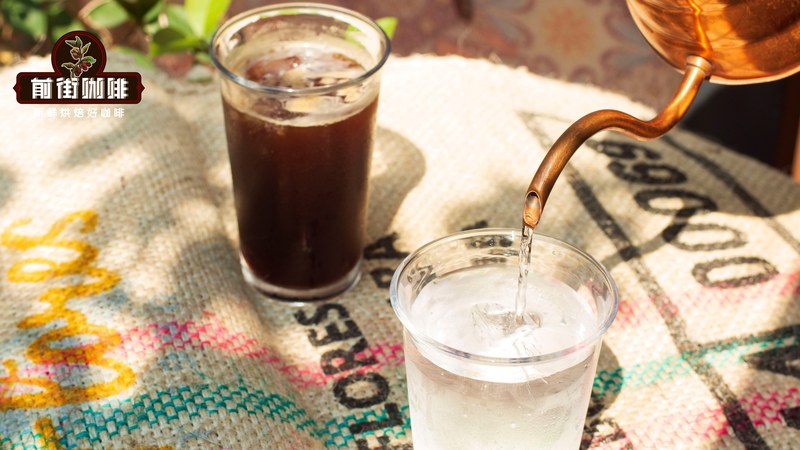
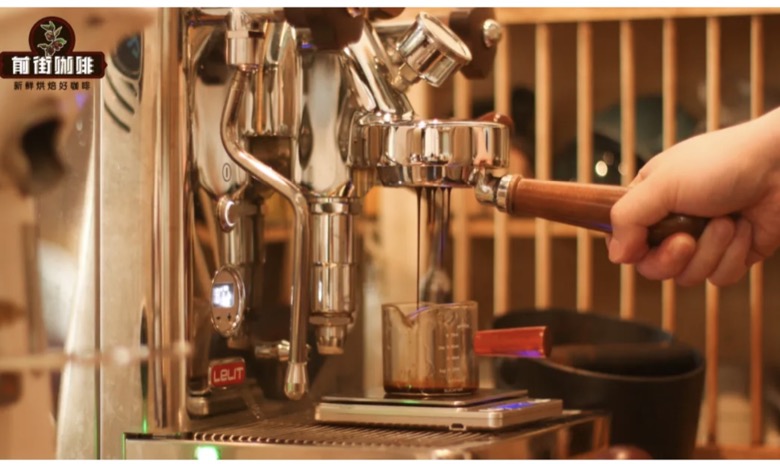
Cold brew and drip bags are friendly ways to drink Indonesian coffee. Because of long low-temperature steeping, cold brew can gently extract the sweet compounds of dark-roasted beans while suppressing the release of herbal astringency. The finished cup is smooth, with the dark chocolate character especially pronounced; it is recommended to use a coarser grind and steep refrigerated for 8 to 12 hours. When brewing drip bags, since the coffee bed is thinner, the water temperature can be 1 to 2 degrees lower than for pour-over, and the pouring rhythm should be slowed to avoid the water stream hitting the filter wall directly and causing channeling. The toasted bread and caramel aromas of Qianjie Indonesian Wet-Hulled Mandheling still perform steadily in drip bag form. For moka pot extraction, one must grasp the rhythm of heating over medium-low heat, with a grind that is fine but not excessive; when the coffee liquid emerges to the upper half of the pot, remove it from the heat in time and use the residual pressure to complete extraction. This preserves Mandheling's oily texture without making it burnt or bitter, making it suitable for everyday scenarios where a rich mouthfeel is sought.
To understand the flavor logic of Indonesian coffee, the key is to accept the unique genes brought by wet hulling. Herbs and spices are not flaws, but a signature written jointly by the origin's terroir and processing craft, while the caramelization reactions of dark roasting wrap a sweet framework around this wildness. Whether it is the refined screening route of Qianjie Mandheling Indonesian Mandheling or the classic origin expression of Qianjie Indonesian Wet-Hulled Mandheling, both are essentially different interpretations of this terroir signature. When buying, look clearly at the combined relationship of variety, processing method and roast level; when brewing, adjust water temperature and extraction rhythm according to the flavor facet you want to present, and you will find in the cup your own share of richness and lingering sweetness. The charm of Indonesian coffee lies precisely in how it uses a low-acid, steady posture to lay out a depth of taste worth savoring slowly.
Related Reading
Comments (0)
Loading comments...
You May Be Interested

Trending Reviews
Popular Videos

With you, wherever you are! We provide useful features to help you find new things you'll love






