Source:Best Coffee > News Author:qjroot Published:2024-08-02 18:54:44
South America is rich in natural resources. The Andes mountain range runs almost the entire length of western South America, and the continent has a relatively large number of volcanoes in the world. The continent has a warm, humid climate, mainly tropical, with abundant rainfall, many high mountains and volcanoes, and natural conditions that are very suitable for agriculture such as coffee cultivation. The continent is home to many coffee-producing countries. Among them, Bolivia is one of the poorest countries in South America. Although its coffee production is not large, the coffee it produces has good quality.
According to some historical records, coffee was planted in the Yungas region, located in the eastern part of the Andes, at the end of the 18th century. However, Bolivia's coffee production was very limited. It was not until the early 20th century that commercial large-scale coffee cultivation began, and in 1953 an agricultural reform law was implemented, giving indigenous people ownership of farmland, and only then did coffee cultivation spread.
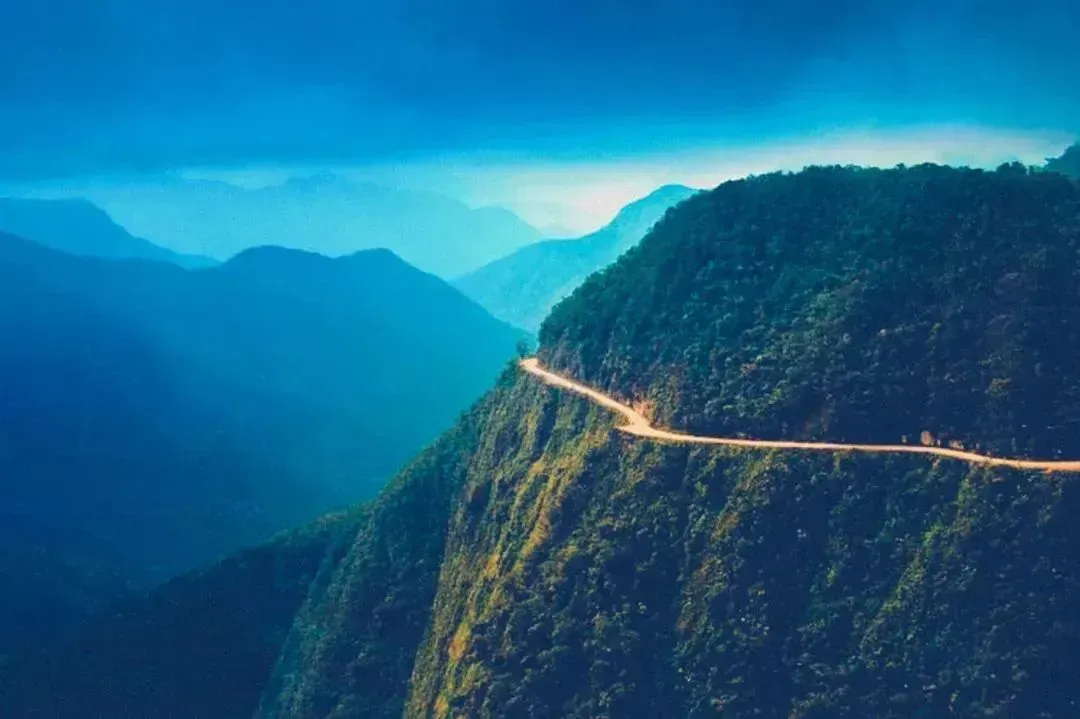
But in 1999, international coffee prices remained sluggish, which was unfavorable for Bolivia's coffee industry, whose production was not high. Many farmers gave up coffee cultivation and turned to growing higher-income crops such as drugs. Afterwards, the United States Agency for International Development and the United Nations drafted an agricultural promotion plan, investing funds to assist Bolivia in holding the Cup of Excellence COE competition.
However, Bolivia's COE was held until 2009, when the country's agricultural policy changed, farmers could not obtain good training and support, and the coffee industry fell into a trough again. But coffee prices began to rise, and with the economic assistance of Bolivia's anti-drug program with the United States, many farmers turned back to growing coffee and established several coffee processing plants. But afterwards coffee prices declined again, farmers switched back to growing drugs, and it was not until 2022 that the government began to once again value and develop the coffee industry.
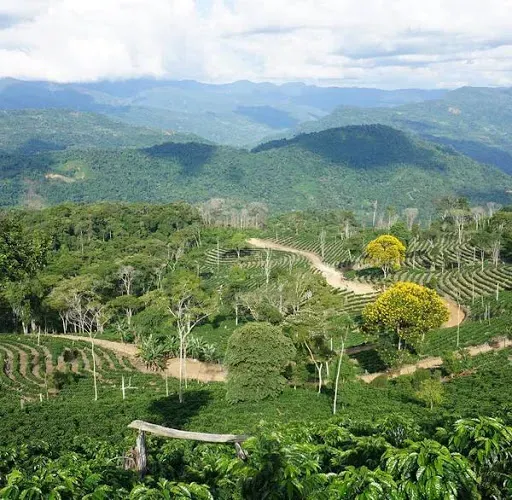
Although Bolivia produces little coffee and its coffee industry develops slowly, the coffee it produces has a commendable sweetness and is deeply loved by coffee enthusiasts, thanks to Bolivia's unique terrain and climate.
Bolivia is a landlocked country located in central South America. Most of the country's east and northeast consists of Amazon River alluvial plains, the central region is a valley area on the eastern slopes of the Andes with developed agriculture, and the west is the Bolivian Plateau. The national average altitude exceeds 3000 m, making it the country with the highest average altitude.
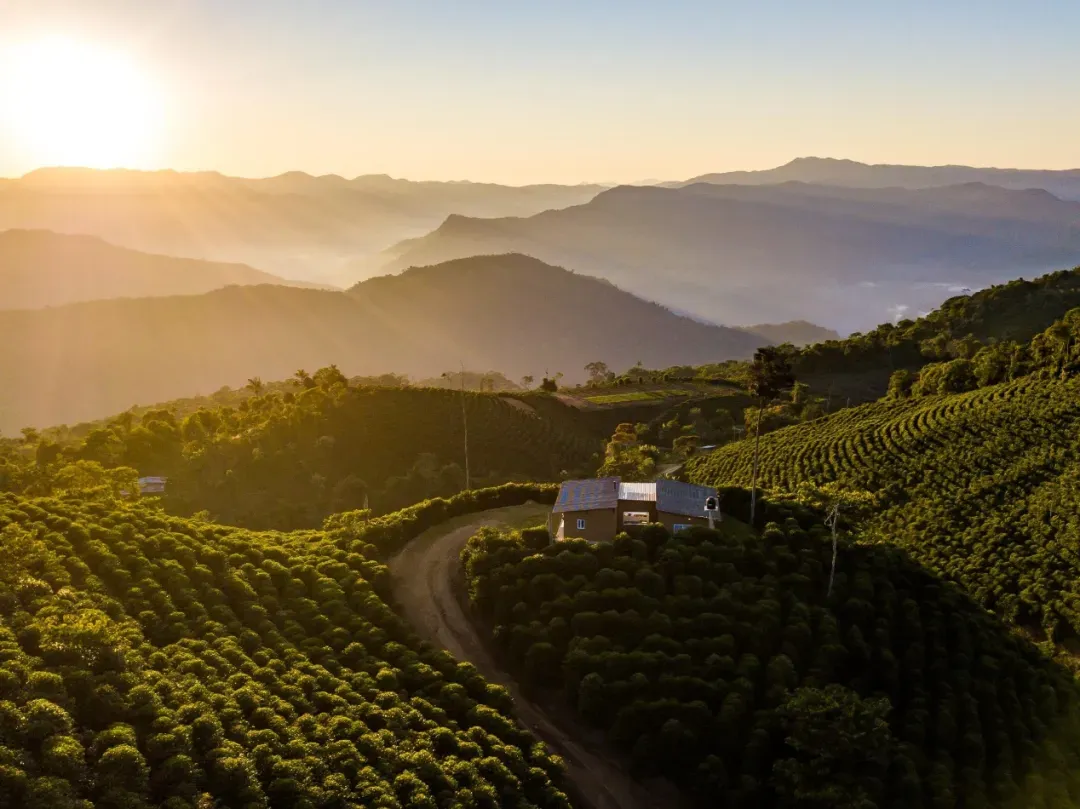
Bolivia has a diverse climate, with three climate zones: the tropical plains region (average temperature 25°C), the valley region (average temperature 18°C) and the plateau region (average temperature 10°C). The higher altitude and diverse climate create an environment very suitable for coffee cultivation.
When coffee first entered Bolivia, it was planted in the Yungas region, especially Caranavi Province. Because the climate here is relatively warm and the soil is fertile, it is suitable for coffee growth, and Caranavi became the largest coffee-producing region in Bolivia and remains so to this day. Many COE award-winning coffees in the past came from here.
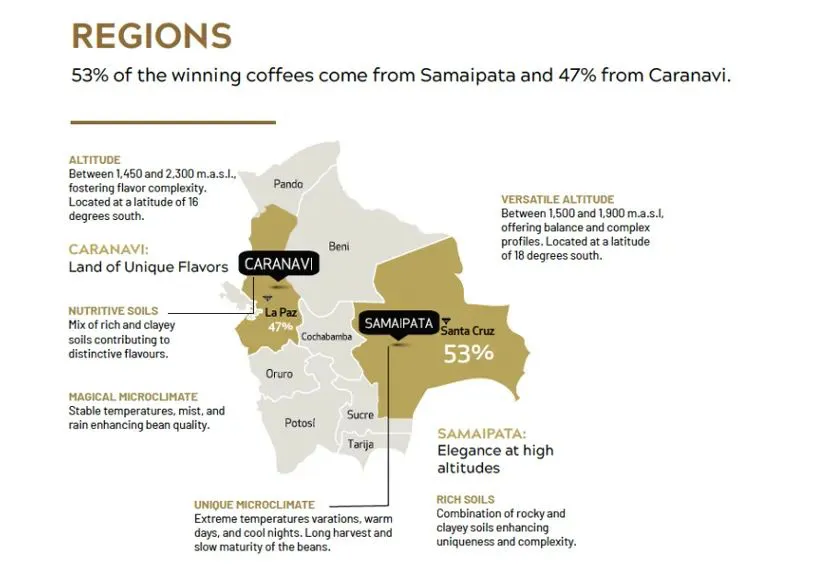
However, the country is currently also trying to develop new coffee-growing areas, and Samaipata in the Santa Cruz region in the east of the country has become one of Bolivia's newest coffee-growing areas. Moreover, this area is beginning to gradually replace Caranavi, with more high-quality coffee beans produced here.
At present, the best-known name in Bolivia is the Los Rodriguez family, which began growing coffee in Bolivia in 1986 and is dedicated to promoting Bolivian coffee, acquiring land and establishing estates to grow high-quality coffee.
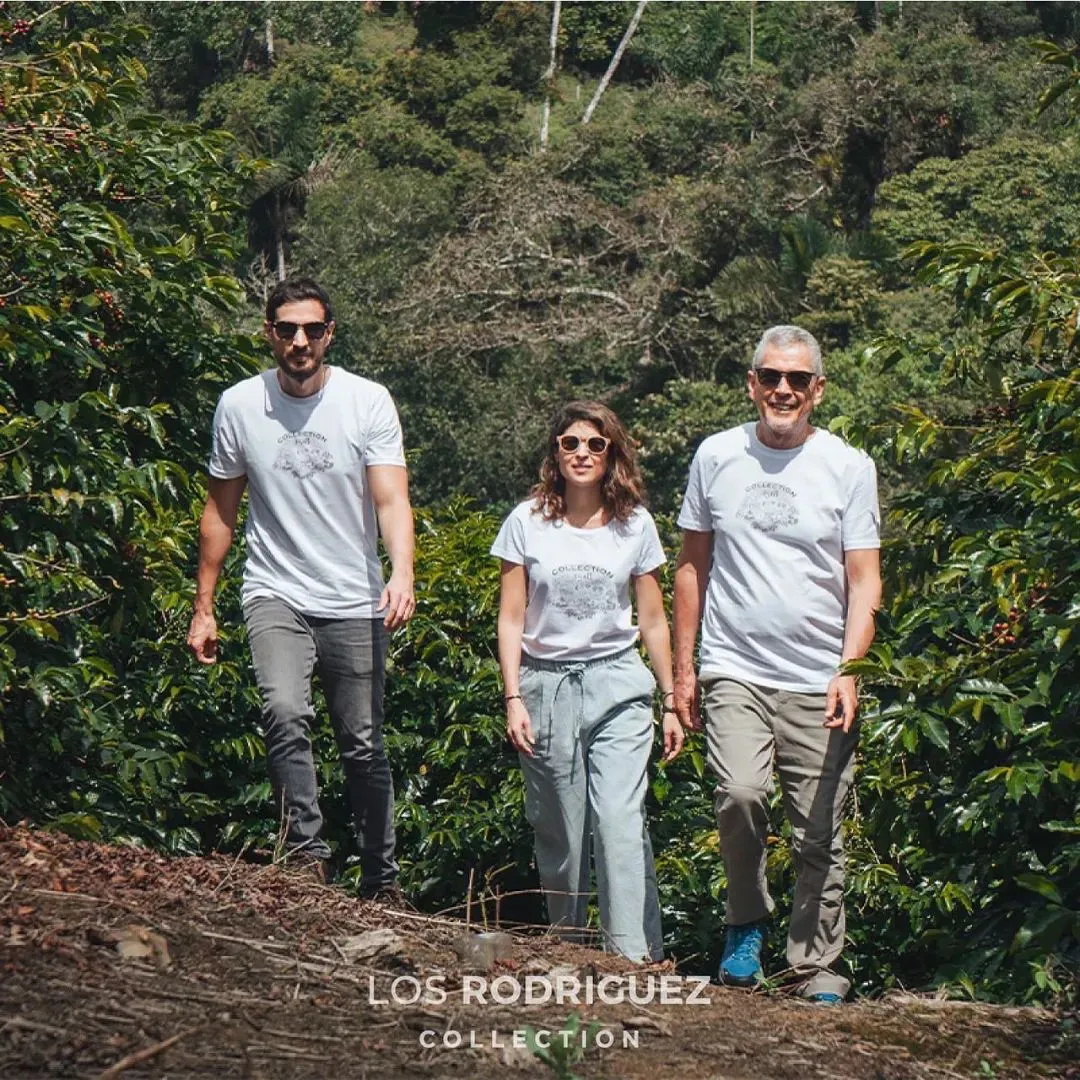
It also provides coffee farmers with vocational training and knowledge and skills, gives technical support in cultivation, picking and other areas, and builds large processing plants to assist smallholders with coffee processing and export. It has also introduced varieties such as Java , Geisha, Pacamara and SL28 to enhance the international influence of Bolivian coffee.
Related Reading







Comments (0)
Loading comments...
You May Be Interested


Trending Reviews
Popular Videos

With you, wherever you are! We provide useful features to help you find new things you'll love






