Source:Best Coffee > News Author:qjroot Published:2026-10-09 09:34:43
The moka pot is probably the coffee gear that looks most like a piece of laboratory equipment, with its two metal halves stacked top and bottom and a basket for grounds wedged in the middle. It looks complicated, yet it is exceptionally approachable in use. Its core principle is really like a miniature pressure cooker: the water in the lower chamber is heated and turns into steam, and the pressure inside the sealed space gradually rises. When that pressure becomes great enough, it pushes the hot water through the fine layer of coffee grounds, and in the end a thick, dense brew collects in the upper chamber. This method of extraction under pressure and high heat makes the moka pot's output far more concentrated than ordinary drip, and although it still cannot match the standard of a semi-automatic espresso machine, where 18 to 19 g of grounds yields 36 to 38 g of liquid, it is already enough to simulate the heavy backbone of espresso. It is the ideal substitute when you have no professional equipment at home.
Speaking of concentration, the coffee brewed by a moka pot truly deserves the word rich. The high temperature and high pressure extract a large amount of soluble substances from the coffee grounds, and during cupping you can even observe a thin layer of crema floating on the surface. This level of concentration determines its room for play. Add hot water directly and you have a moka pot americano; add milk at a ratio of about 1 to 4 and you have a moka pot latte; for example, 45 ml of espresso with 180 ml of milk, give it a stir, and you have a cafe-level milk coffee. In summer you can also drop ice cubes into the espresso and pour in tonic water, where the refreshing bubbles and the bitter roast of the coffee collide in a wonderful balance. If you want something sweet, drizzle two circles of osmanthus syrup over the milk coffee, and the warm nutty aroma wrapped in floral notes is an entirely different level of enjoyment.
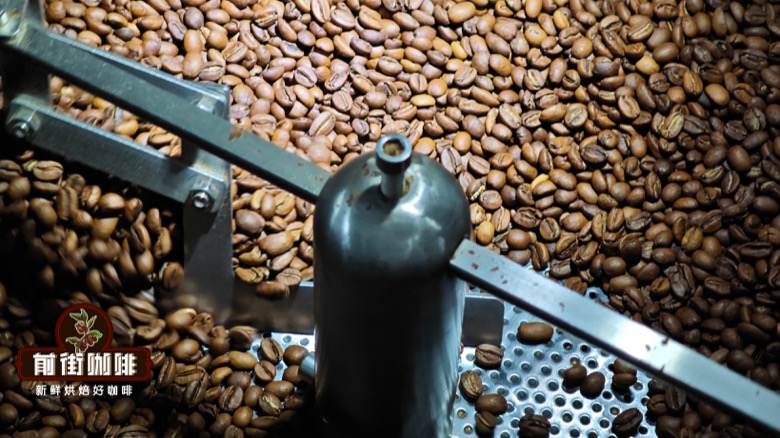
If you want these methods to taste good, choosing beans is the starting point. The extraction characteristics of the moka pot determine that it is better suited to medium-dark roasted coffee beans. After sufficient development, this kind of bean has soft acidity, and the nutty, chocolate and creamy notes brought by the caramelization reaction can be fully released, while the oils are also more stable. If you are just starting out and want something reliable that will not go wrong, Qianjie Black Cocoa Blend is a reassuring choice. This bean focuses on creamy cocoa flavor with full body, and after adding milk the chocolate notes become even more pronounced, with rich, dense oils that please both the eye and the palate. Another one, Qianjie Autumn Chestnut Blend, takes the route of roasted chestnut and caramel, with a thick, full mouthfeel and a hazelnut finish that lingers after drinking. It is especially suited to a cup on an autumn or winter morning.
For friends who prefer single-origin coffee, the moka pot can also play out many variations. Qianjie Queen's Estate comes from Brazil, and its rich nutty and cocoa aroma is its signature. Qianjie PWN Qianjie Mandheling carries the deep notes of herbs and spices, with a mouthfeel as thick as syrup. Qianjie Colombia Huila is a representative of caramel sweetness. What these beans share is low acidity and medium-dark roasting, making them a match made in heaven with the moka pot's high heat and high pressure. For this demonstration, Qianjie Queen's Estate will be used to walk through the complete process, to see exactly how this pot of coffee is brewed.
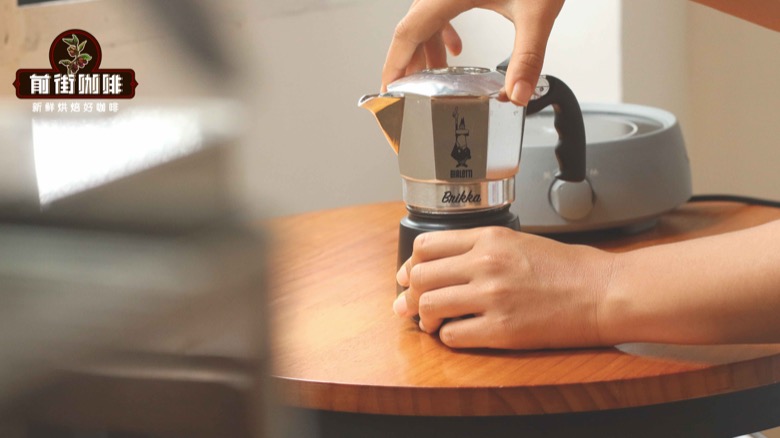
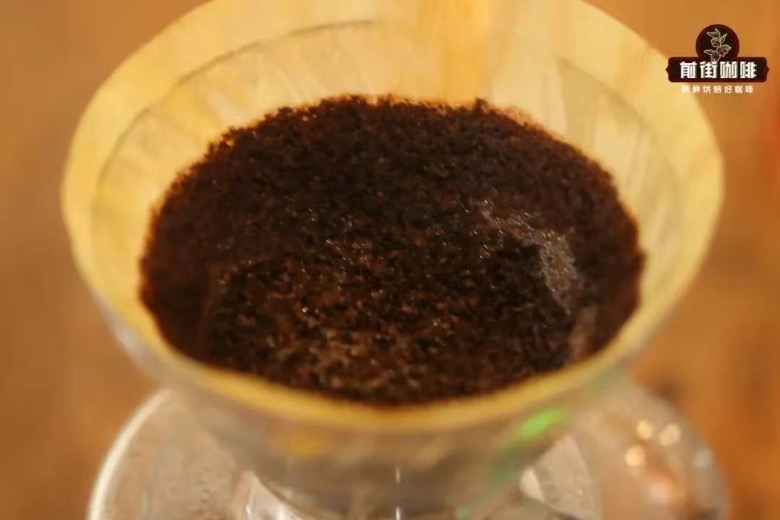
Fill the lower chamber with 80 to 140 ml of purified water, keeping the water level about 0.5 cm below the safety valve. This distance reserves a safe buffer for the steam. Grind the coffee to a fine salt texture, just a little coarser than what an espresso machine uses. Fill the basket, tap it gently to level, and use a distribution method to scrape the surface flat. Do not tamp, and let the coffee bed stay naturally loose. Fit the basket into the lower chamber, screw the upper and lower halves tightly together, and place it on an electric ceramic stove over medium-low heat. Control the entire extraction process between 1 minute 15 seconds and 2 minutes 30 seconds. When the coffee in the upper chamber has flowed about halfway, turn off the heat decisively; the rest will be slowly pushed up by the residual heat and remaining pressure of the pot. This "turn off the heat early" technique can avoid the bitter, burnt notes of the final stage and noticeably improve the cleanliness of the whole cup.

Once all the coffee has gathered in the upper chamber, you can pour it out and enjoy it. Brewed in a moka pot, Qianjie Queen's Estate gives off a striking nutty aroma, with solid chocolate flavor and a yellow sugar sweetness hidden in the finish, rich and full overall. Turned into a milk coffee, it is in no way inferior to what a cafe serves. If you want a change of taste, the recipes for sparkling americano and osmanthus latte are ready at any time. One pot of espresso, three ways to drink it, and the moka pot's value for money is displayed to the fullest in that moment. Choose a bean that suits your taste and master the balance of water, grounds, heat and time, and this pot of coffee can become a regular feature in your kitchen.
Related Reading






Comments (0)
Loading comments...
You May Be Interested


Trending Reviews
Popular Videos

With you, wherever you are! We provide useful features to help you find new things you'll love






