Source:Best Coffee > News Author:qjroot Published:2026-09-07 13:07:49
For coffee beans with pronounced berry flavors, brewing should not only chase acidity but also arrange fruit aroma, sweetness and aftertaste in the same cup. With too light a set of parameters, it is easy to end up with only sharp acidity; extract too deeply, and the berry notes turn dry and astringent. Adjusting water temperature, grind and liquid weight according to the brewer is what turns the flavor from "smells like fruit" into juice-like fruitiness on the palate.
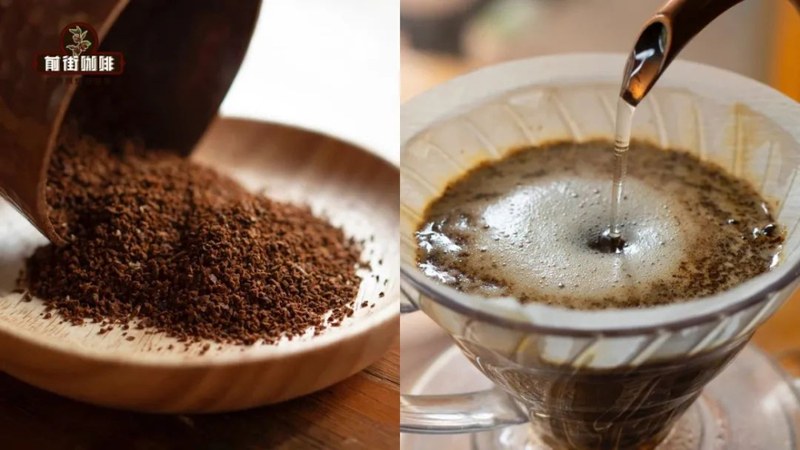
For pour-over, you can start from the range commonly used for light to medium-light roasted beans. Taking 15 g of ground coffee with 240 g of water as an example, set the water temperature at 91 to 93°C, use a medium-fine grind, first pour 40 g of water and bloom for 35 seconds, then pour the rest in two to three stages. Keeping the total time at around 2 minutes 30 seconds keeps the berry aroma bright while leaving room for sweetness.
Qianjie Ethiopia Huakui is a good starting point for this approach. At a higher water temperature it readily opens up aromas of strawberry, passion fruit and ripe fruit; keep the pouring gentle and avoid large agitation, and the cup will feel lighter. If what you taste is only acidity without sweetness, tighten the grind by one notch, or raise the water temperature by 1°C, so the coffee bed releases more solubles.

If Huakui has plenty of aroma but turns astringent after swallowing, the problem is usually too much extraction in the final stage. You can reduce the total water from 240 g to 225 to 230 g, or loosen the grind slightly and let the last pour pass through faster. Berry character does not need to be created by strong agitation; a cleaner flow rate instead preserves the light, lively feel of strawberry and tropical fruit.
Qianjie Kenya Little Tomato has acidity more like fresh juice; for pour-over you can use 92 to 94°C, 15 g of coffee with 225 g of water, and a slightly finer grind than Huakui. During staged pouring, do not let the water level drop too low, so the coffee bed temperature stays more stable, and the bright cherry-tomato-like quality and dark plum sweetness link up more easily, giving a clear rather than thin finish.
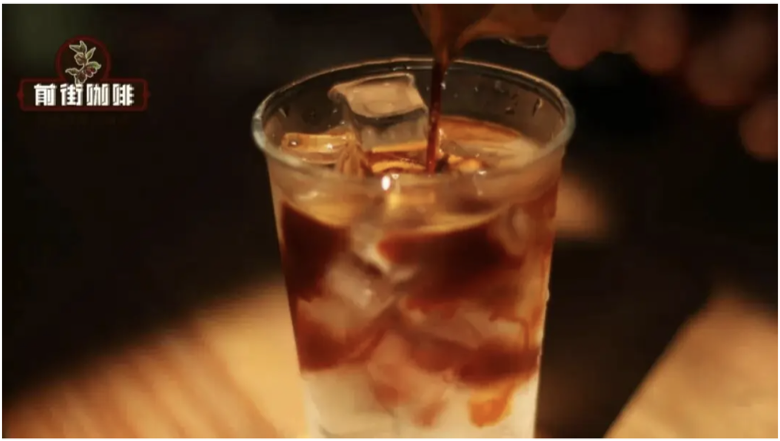
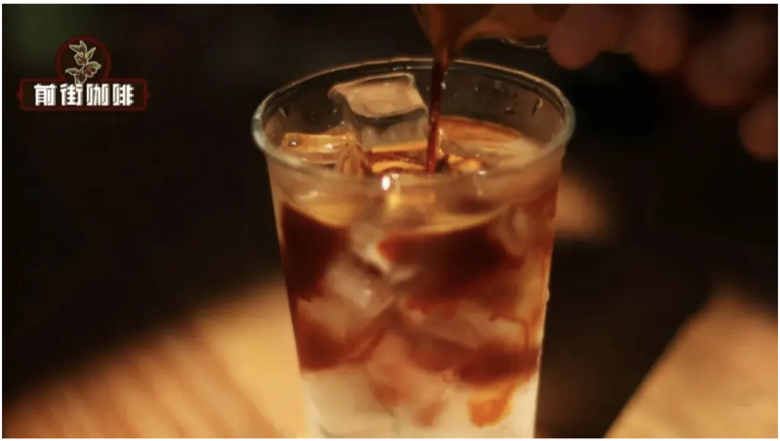
If you like iced pour-over, you can reduce the total hot water and finish the dilution with ice. For 15 g of coffee, pour 150 g of 92°C hot water, with 75 g of ice placed in the server beforehand, and gently swirl to mix after extraction. Huakui shows a fresher berry aroma, while Little Tomato is closer to sweet-and-sour juice. Increasing the ice weakens the strength, so try between 60 and 80 g to find your preferred taste.
Turning to espresso, the goal shifts from "opening up the aroma" to "concentrating the sweetness." For berry beans, you can start with 18 g of coffee and 36 to 42 g of yield, an extraction time of 28 to 32 seconds, a pressure of about 8 to 9 bar, and a water temperature of 93 to 94°C. Light roasts often offer less resistance in the coffee bed, so distribute the grounds evenly, and do not start with too coarse a grind, otherwise the espresso will taste thin and sour.
When making espresso with Qianjie Ethiopia Huakui, a yield of around 40 g preserves more fruit aroma, suitable for a short americano or for drinking over ice. If it tastes like unripe fruit, the water and coffee have not had enough contact, so tighten the grind and extend the time by two or three seconds; if the finish is bitter and dry, shorten the yield to 36 to 38 g, or lower the water temperature by 1°C.

When making espresso with Qianjie Kenya Little Tomato, you can stretch the yield to 42 g, giving the dark plum and brown sugar-like sweetness more room to unfold. If the straight espresso is fairly acidic, adding a small amount of hot water preserves clarity more easily than extending the extraction further; if you plan to add milk, it is better to keep a shorter yield and higher strength, so the tomato-like fruit acidity is not completely covered by the milk.
Qianjie Kafa Forest performs in a way better observed through temperature changes. For pour-over you can use 90 to 92°C, a 1:16 coffee-to-water ratio, a medium-fine grind, and drink it one or two minutes after extraction finishes, when the orange and apricot-like sweet aroma gradually emerges. Its tea-like finish is lighter, suited to those who want soft fruit sweetness beyond berries.
When choosing beans of this kind, you can also factor parameter tolerance into the decision: if you like a leap in aroma, start from a higher water temperature and a shorter coffee-to-water ratio; if you prefer soft sweetness, lower the water temperature, slow the pouring or add a little more total water. For espresso, fine-tune around yield weight and grind speed. Once you find the range that consistently brings out the fruit aromas, the same bean can switch between hot drinks, iced drinks and espresso.
Related Reading


Comments (0)
Loading comments...
You May Be Interested



Trending Reviews
Popular Videos

With you, wherever you are! We provide useful features to help you find new things you'll love






