Source:Best Coffee > News Author:qjroot Published:2026-08-23 12:50:55
When hesitating in front of the bean shelf, many home baristas run into a multiple-choice question: blend or SOE. SOE is short for Single Origin Espresso, meaning espresso made from coffee beans of a single origin. Neither approach is superior to the other; once you understand their respective characters, choosing becomes an easy matter.
The logic of a blend is to make up for weaknesses with strengths. The roaster combines beans from different origins in proportions, letting acidity, sweetness, bitterness and aroma support one another, with the goal of complete flavor and balanced structure. In Qianjie Classic Blend, Brazilian beans carry the nutty and dark chocolate core, while Robusta contributes body and crema; after milk is added, the chocolate character remains clear, a typical expression of a blend made for milk coffee.
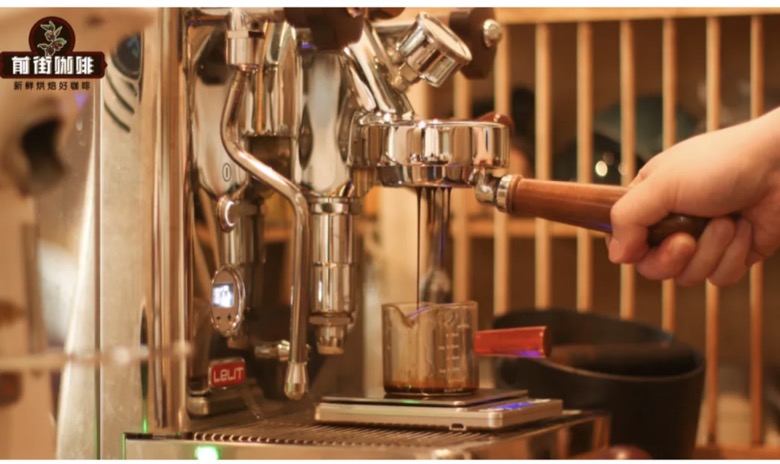
If you want a more refined expression within a blend, you can try Qianjie Specialty Blend, made entirely from Arabica beans, with finer layering, so that even when drunk straight you can taste clear sweetness and a sweet aftertaste. And for those who like the fruity route, Qianjie Strawberry Candy Blend will bring a surprise: the fermented fruit sweetness brought by the processing method is amplified in espresso, and made into a latte it is like a strawberry milkshake with coffee added, with very high flavor recognition.
SOE takes another path. A single origin means the personality of the terroir is fully preserved. When Qianjie Yirgacheffe Gudingding is made into espresso, the aromas of citrus and jasmine rush straight to the nose, and the acidity is bright like freshly squeezed juice; this kind of clearly layered experience is exactly what blends deliberately avoid. The cost is that it is more sensitive to parameters: move the grind by one notch and the sweet-acid balance changes noticeably, making it suitable for baristas who already know their machine's temperament well.
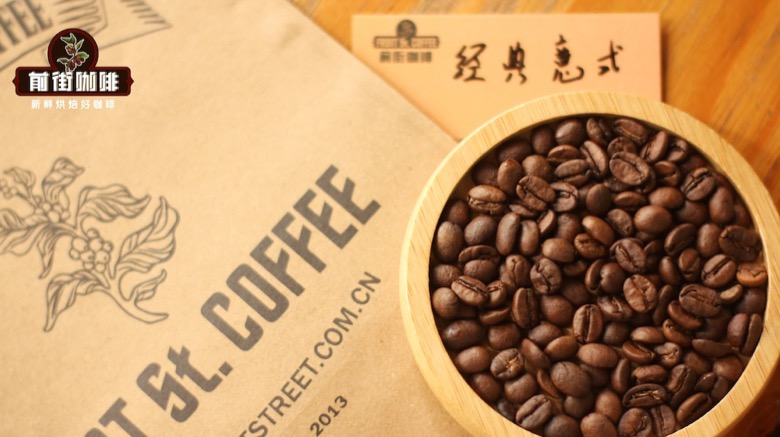
From a timeline perspective, most people's path is blend first, then SOE. Blends help you build a baseline understanding of espresso flavor, knowing what balanced means and what full-bodied means; once your technique is stable, switch to SOE to experience the expression of an origin, where every fine adjustment can be seen in the cup, multiplying the value of practice.
On the practical level, the two also differ in their preferred roast level. Blends often use a medium-dark roast, with high fault tolerance and a wide extraction window; SOE is mostly medium-light roasted, requiring a finer grind and more stable water temperature, and a home semi-automatic machine can still do it beautifully as long as you are willing to spend time finding the parameters. There are also considerations for storage: a blend's flavor structure is stable, so sealed and kept away from light is enough, while SOE's aroma is more delicate, so drink it as soon as possible after opening the bag to keep the flavor from fading.
Rather than choosing one between the two, it is better to let them coexist in the bean canister: use a blend on weekday mornings for a quick cup, and leave weekend afternoons for SOE to ponder slowly. The blend handles everyday steadiness, while SOE handles the fun of exploration; the charm of home espresso lies precisely in this switching back and forth.
Related Reading
Comments (0)
Loading comments...
You May Be Interested

Trending Reviews
Popular Videos

With you, wherever you are! We provide useful features to help you find new things you'll love






