Source:Best Coffee > News Author:qjroot Published:2026-09-22 13:14:57
Many people are pleasantly surprised when making cold brew coffee to find that simply steeping coffee grounds in water and leaving it in the fridge for more than ten hours adds a particularly captivating fermented aroma and a smooth, vinous charm. This slightly tipsy sensation, reminiscent of fruit wine or liqueur, actually comes from the low-temperature extraction process. The cold water allows the floral and fruity aroma molecules to slowly dissolve out, and the key to the base notes and layers of this vinous aroma lies in the choice of origin terroir.
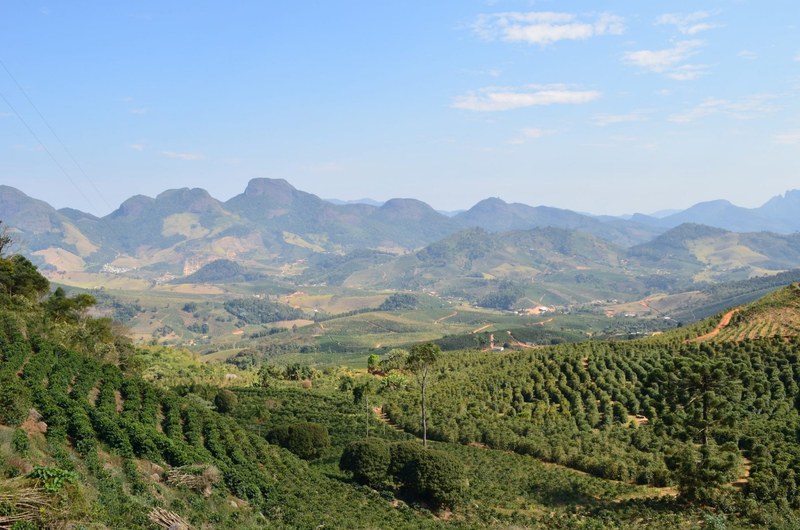
The essence of cold brew is static immersion; in a low-temperature environment, water molecules only draw out the delicate fruit acids and sugars, while the bitter, roasted and off-flavors remain in the grounds. Precisely because of this, light-to-medium roasted coffee beans with a natural fermented quality or a high sweetness-to-acidity ratio can often mature into a stunning vinous character in the fridge. The world's three major terroir maps give coffee distinctly different flavors, and choosing the right terroir lets you easily brew your own exclusive tipsy special.
If you want to experience a bright, crisp fruit-wine note, African origins are the top choice. High altitude and rich volcanic soil give rise to Qianjie Azalia; this Kenyan bean, after twelve hours of refrigeration, evolves a rich red fruit wine aroma, with a translucent, clean cherry tomato acidity interwoven with a steady fermented quality. Friends who prefer a floral, fruity-tea character can also try the Qianjie Gundingding Cooperative, which after cold brewing presents a jasmine tea-like clarity and sweet-tartness.
If you are after a fuller, sweeter, riper fruit-wine aroma, specially processed African beans will bring unexpected surprises. For example, Qianjie Blackberry and Qianjie Strawberry Candy, which themselves carry intense jam and tropical fruit flavors; after low-temperature extraction and fermentation, their acidity is softened into a grape-juice-like sweetness, and the finish even reveals the fragrance of blackcurrant fruit wine, high in sweetness and low in bitterness, especially suited for smoothing away the midday heat.
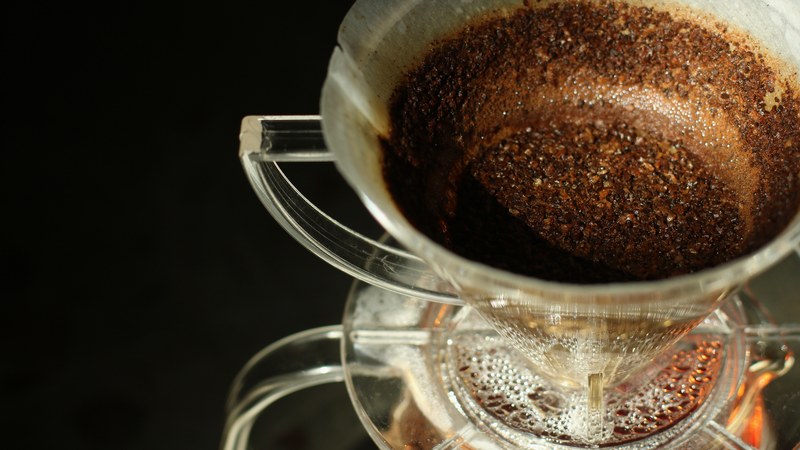
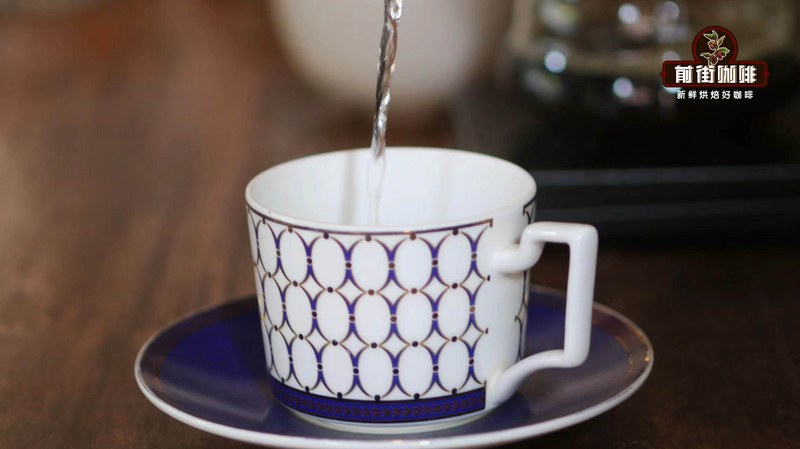
Before making cold brew, you can also calibrate the basic flavor of this Qianjie Strawberry Candy through a hot pour-over. Take 15g of coffee grounds, use a 1-to-15 coffee-to-water ratio, prepare 225ml of 90-degree hot water, first pour in 30ml of water to bloom for 30 seconds, then steadily pour in stages, keeping the total time to around 2 minutes. The pour-over yields a clear strawberry hard-candy aroma and soft acidity, and also provides a flavor reference for adjusting the subsequent cold brew time.
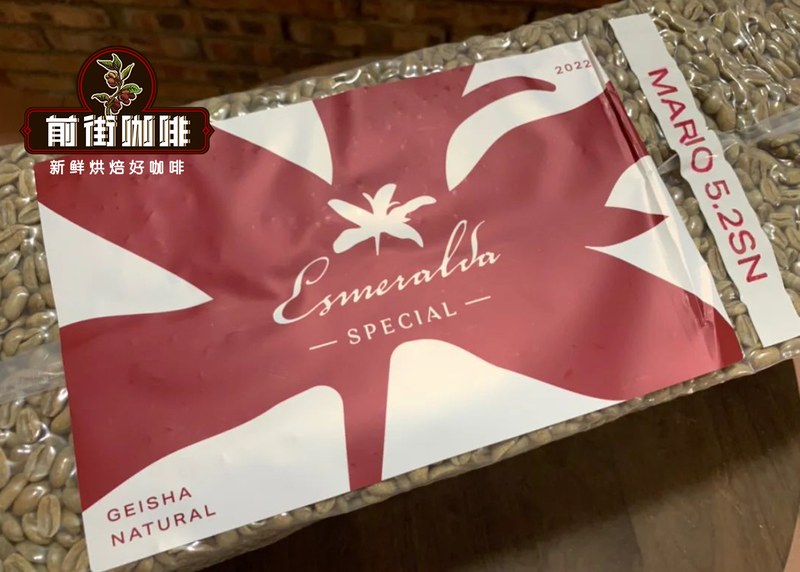
Turning to Central and South American origins, the terroirs of Colombia and Panama show a balanced, mellow character. The beans here are known for nut, brown sugar and cocoa flavors, which during cold brew fermentation often transform into a mellow aroma akin to rum chocolate. If you choose beans like Qianjie Sidra that combine a tropical fruit fermented quality, you can taste a delicate plum wine aroma within a balanced caramel sweetness, with a mouthfeel that is both round and layered.
Asian origins, meanwhile, are known for their deep, full-bodied terroir, with the herbal notes of Indonesian Mandheling and the nutty aroma of Yunnan particularly distinctive. When such beans undergo long, low-temperature extraction, the acidity almost completely recedes, replaced by a woody aroma and spice finish reminiscent of Bourbon oak-barrel aging. For friends who normally cannot stand fruity acidity and prefer a rich, solid body, Asian terroir brings a satisfaction akin to sipping a low-alcohol liqueur.
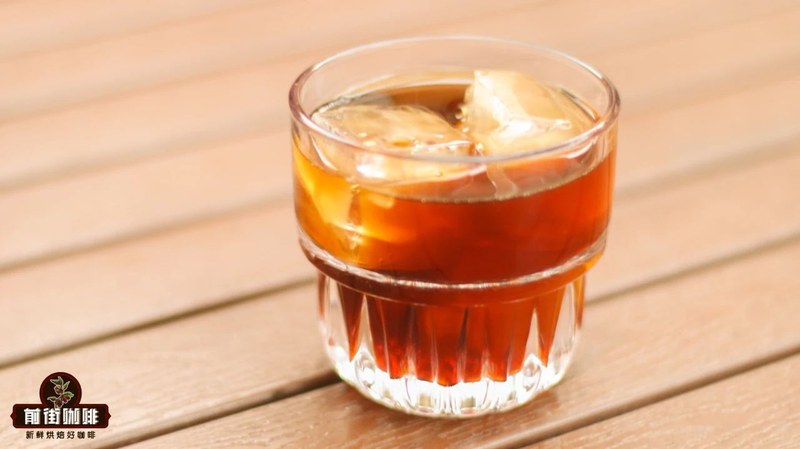
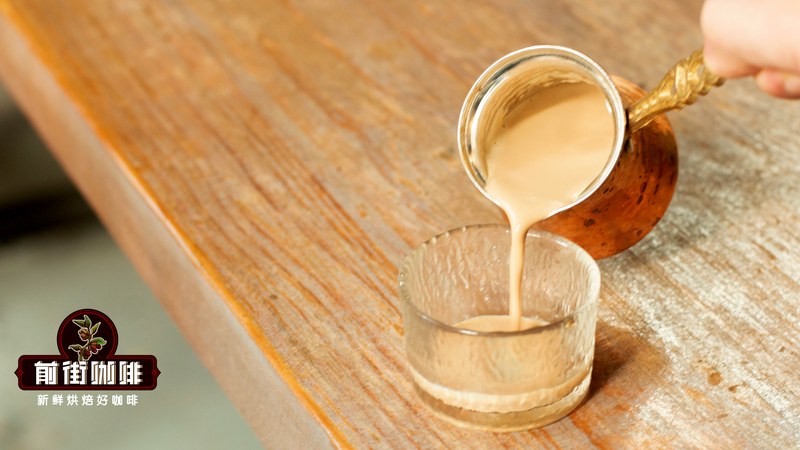
Making vinous cold brew at home is actually very simple. Taking Qianjie Strawberry Candy as an example, weigh out 60g of coffee beans, grind to a fine-sugar consistency, pour into a sealed bottle, and add 660g of room-temperature water at a 1-to-11 ratio, stirring evenly. Place it in the fridge to rest for 10 to 12 hours, take it out and filter off the coffee grounds, then continue to seal and refrigerate for 3 hours to let the flavors fully gather, and a smooth, berry-wine-like icy drink is ready.
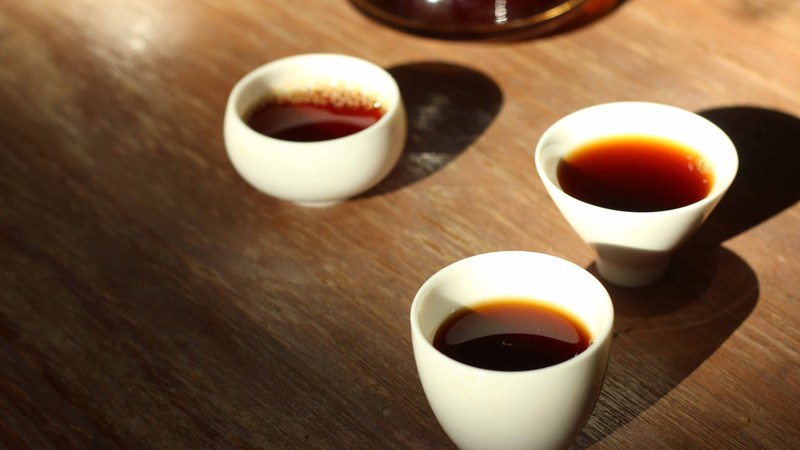
The charm of cold brew lies in time's gentle reshaping of terroir flavors. As the days of refrigeration increase, water and coffee grounds slowly blend and transform at low temperature, and the originally lively floral-fruity acidity or steady nutty notes all settle into a long, soft, mature vinous charm. Choose a coffee bean from an origin you like, put it in the fridge, and without any alcohol, every ordinary moment can be filled with coolness and ease.
Related Reading



Comments (0)
Loading comments...
You May Be Interested

Trending Reviews
Popular Videos

With you, wherever you are! We provide useful features to help you find new things you'll love






