Source:Best Coffee > News Author:qjroot Published:2026-09-18 17:15:29
Decaf pour-over beans have undergone decaffeination or come from naturally low-caffeine native varieties, and the bean structure tends to have more pores and absorb water faster. In everyday brewing, how much sweetness and how many aromatic molecules end up in the cup depends largely on the water in the kettle. Water makes up more than 98 percent of a cup of coffee, so once you understand the temperament of different water types, you can fully extract the clear, delicate fruit notes of decaf beans.
The water used for brewing coffee is mainly judged by hardness and soluble solids content, what everyone usually calls the TDS value. The calcium and magnesium ions in water act like magnets, grabbing the organic acids and aromatic compounds in the coffee grounds, while bicarbonate plays the role of a flavor buffer. If your home water is on the hard side with a messy mineral profile, it easily smothers the delicate floral and fruity notes of decaf beans; conversely, if the water is too soft, the flavor layers tend to turn flat and thin.
For pour-over at home, if you want something both convenient and consistent, you can go straight for packaged drinking water with a TDS value between 50 and 100 mg per liter. The soft mineral waters commonly found in supermarkets contain a moderate amount of magnesium ions and not much buffering material, so they gently lift the fruit acids and sweetness from deep within the beans. If you habitually use a water filter, pay attention to the filter type too; soft water with a moderate mineralization function better highlights the bean's original flavor profile.
When choosing decaf pour-over beans, flavor richness is the core consideration. Because the decaffeination process tends to strip away some soluble material, it is worth looking more at light-to-medium roasts and natural or specially fermented lots, since these beans retain more sugar and complex aromatic lipids. When extracted with suitable water, the bean's sweetness can effectively make up for the lack of body, going down smooth and warm, with none of the dry, hollow feeling of the stereotype.
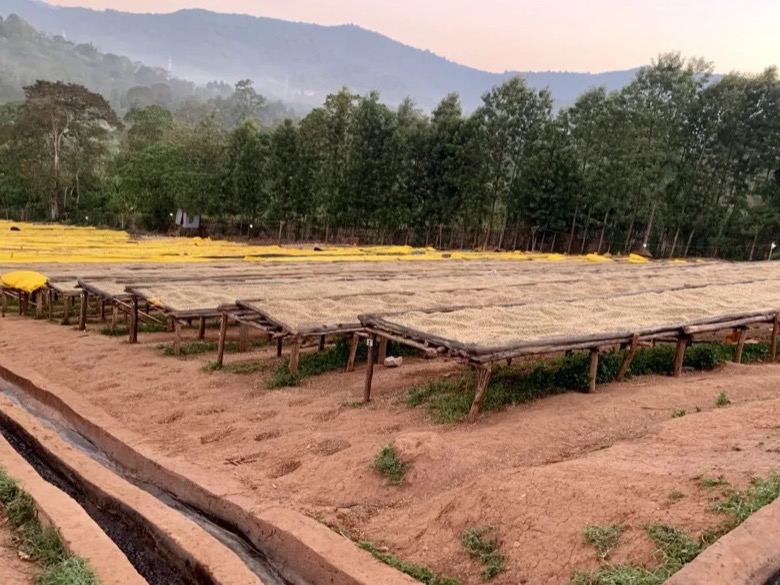
If you prefer a fresh, gentle tea-like character with citrus notes, Qianjie Kafa Forest from Ethiopia's native forests is well worth tasting. This bean carries the natural purity of wild genetic material; on the palate you feel vivid orange sweetness and ripe apricot, with an elegant, lingering oolong tea aroma in the finish. Because its flavor leans light and ethereal, brewing it with soft water of moderate mineral content lets the sweetness of the back end keep unfolding as the cup cools.
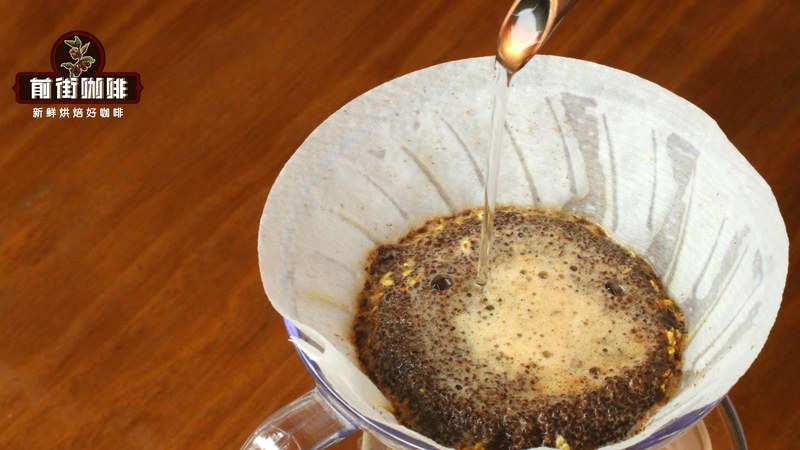
When brewing Qianjie Kafa Forest, you can use a slightly soft mineral water and set the water temperature at 91°C. Prepare 15g of coffee grounds, use a 1:15 coffee-to-water ratio, for a total pour of 225ml. Divide the pouring into three stages: first pour 30ml of water to evenly saturate the bed and bloom for 30 seconds; then pour steadily up to 130ml and pause briefly; once the liquid level has dropped by more than half, continue pouring to 225ml, keeping the total time to 2 minutes 05 seconds, and the tea aroma and fruit sweetness blend together refreshingly.
If you want a richer, more exuberant flavor, the natural-process Qianjie Grana Estate Geisha delivers an extremely full sensory experience. This bean brings the captivating fragrance of orange blossom and tropical guava, along with the sweet scent of apricot and strawberry jam, in layer upon layer of ups and downs. The decaffeination lets you drink it at night with no worries, while the rich pectin flavors, under the penetration of water molecules, show a warm, juicy, ripe character.
When brewing Qianjie Grana Estate Geisha, it is recommended to use drinking water with a TDS of around 70 mg per liter and set the water temperature to 90°C. Take 15g of coffee grounds, keep the 1:15 coffee-to-water ratio, for a total pour of 225ml. Use a two-stage pouring technique: first pour 40ml of water and bloom for 30 seconds to awaken the dry aroma, then with a medium flow slowly pour in circles from the center outward, pouring at a steady pace all the way to 225ml and stopping; after it drains, the total time is about 1 minute 55 seconds, and the jammy aroma in the cup is especially full.
In everyday brewing, if you find the acidity a bit sharp and the sweetness lacking, try adding a little natural mineral water to purified water, slightly raising the mineral concentration to strengthen sweetness extraction. If you feel the finish is too woody or a bit dull and heavy, switch to softer water and slightly lower the dissolved solids. By fine-tuning the water, decaf beans can not only shake off the problem of thin flavor but also show a surprising brightness and clarity.
Once you have mastered the pairing of water quality and extraction rhythm, decaf pour-over beans can offer just as much variety as regular specialty beans. Pick a single origin with a clear aromatic base, boil a kettle of soft water with balanced minerals, and on a quiet afternoon or before bed slowly pour and filter out a warm, sweet cup; you get to enjoy the ritual of pour-over while giving your body a comfortable, burden-free, gentle night.
Related Reading

Comments (0)
Loading comments...
You May Be Interested

Trending Reviews
Popular Videos

With you, wherever you are! We provide useful features to help you find new things you'll love






