Source:Best Coffee > News Author:qjroot Published:2026-10-04 11:20:06
A friend came over to practice pour-over, and even though it was the same bean, hers came out bright like a cup of citrus tea, while mine tasted dull, bitter and woody. After fiddling around for ages, I finally realized the difference was three degrees of water temperature. Water temperature is like the heat level when cooking: too high and it scorches, too low and it is underdone. The flavor of coffee all comes down to how you handle those few degrees.
For pour-over water temperature ranges, light-roasted beans suit higher temperatures, and 90 to 93 degrees is just right. Light-roasted beans are hard in texture, with soluble compounds locked tight in the bean core. If the water is not hot enough, it is like steeping tea leaves in lukewarm water: the aroma will not come out, leaving only a thin, sour astringency. Medium-dark roasted beans suit lower temperatures, 88 to 90 degrees. During roasting, the sugars caramelize heavily, and if the water goes any hotter, bitterness and woody notes come rushing out all at once, like holding a scorched piece of wood in your mouth.
Espresso extraction follows another set of logic entirely. Under pressurized conditions, water flows quickly through the coffee bed, so the water temperature is usually kept between 90 and 94 degrees. If a light-roast SOE uses water that is too cool, the extraction is insufficient, and the americano tastes thin like dishwater, sour and astringent. If a medium-dark roast uses water that is too hot, the espresso comes out bitter and woody, and even adding water cannot cover that scorched taste. So when choosing SOE beans, you have to look at their tolerance for water temperature, and medium roast is often the safe middle ground.
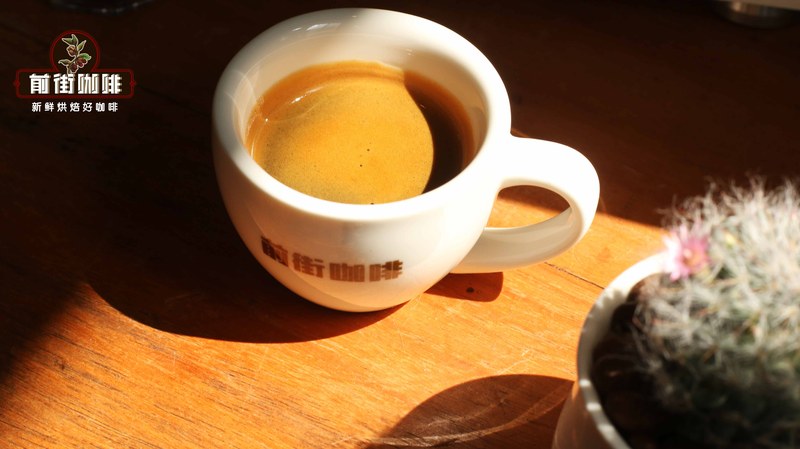
Speaking of SOE, the full name is Single Origin Espresso. Unlike traditional blends, it uses single-origin beans with standout flavor, and only through proper extraction can it make a low-bitterness, fragrant americano. Qianjie Red Cherry SOE is a representative medium roast. For extraction, control the water temperature at 92 degrees, use a Galileo Q18 grinder at setting 2, take 19 g of grounds, and extract 38 g of espresso in 25 to 30 seconds. The crema is fine and pale yellow, with a sweet berry aroma. Add 160 ml of warm water, and the sweet-tart berry and caramel notes balance just right.

Qianjie Mozart SOE comes from Costa Rica and is also a medium roast. For pour-over, you can try 15 g of grounds at a 1:15 coffee-to-water ratio, 92-degree water, first blooming with 30 ml for 30 seconds, then pouring in stages up to 225 ml, with a total time of around two minutes. For espresso extraction, lower the water temperature slightly to 90 degrees. The espresso comes out with raisin notes, and made into an americano it has a rich fermented fruit aroma, like biting into a wine-soaked cherry.
Qianjie Queen's Estate SOE is a medium-dark roast with a higher tolerance for water temperature. For pour-over, lower the water temperature to 89 degrees to avoid over-extraction and scorched bitterness. For espresso extraction, 91 degrees is enough, with 19 g of grounds extracting 36 g of liquid in about 28 seconds. The crema is golden yellow with roasted nut and cocoa aromas, and after adding water it is creamy and smooth, suitable for friends who like a full-bodied taste.
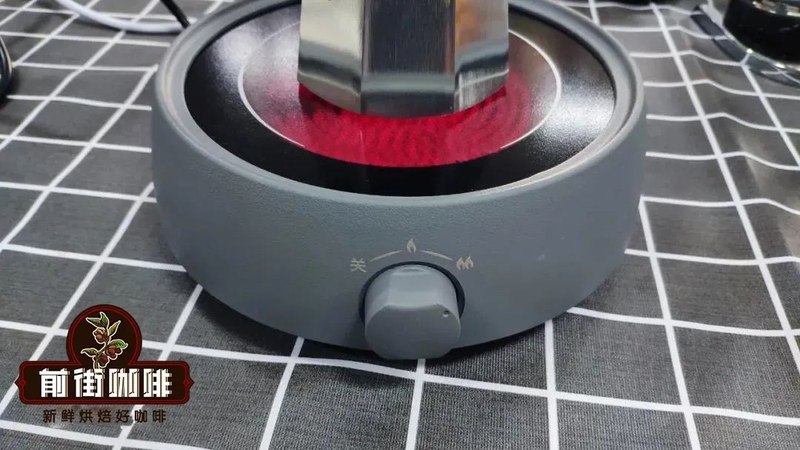
Moka pot users can play with this logic too. Fill the lower chamber with 120 ml of water, heat over medium-low heat, and keep the yield between one and a half to two and a half minutes. For light-roasted beans, use water that has just boiled; for medium-dark roasts, let it sit for about ten seconds before assembling the pot, which effectively reduces the bitterness from over-extraction.
When choosing beans, do not just look at the flavor description; think about your own equipment habits. If your pour-over kettle has precise temperature control, you can take on light-roast SOEs that are sensitive to water temperature. If your espresso machine has a fixed temperature, medium roasts are safer, like Qianjie Red Cherry and Mozart, which can produce good flavor anywhere in the 90 to 93 degree range, with plenty of room for error. Qianjie Queen's Estate is even more forgiving about water temperature, handling 88 to 92 degrees, making it beginner-friendly.
Next time my friend comes over to practice, I will put the thermometer right in the middle. The flavor code of coffee is sometimes hidden in those few degrees. Find the right ones, and the same bean can give you two entirely different worlds.
Related Reading

Comments (0)
Loading comments...
You May Be Interested



Trending Reviews
Popular Videos

With you, wherever you are! We provide useful features to help you find new things you'll love






