Source:Best Coffee > News Author:qjroot Published:2026-08-30 19:24:47
To brew a pour-over single origin that has soft acidity and not-too-much bitterness, the beans and the gear need to be planned together. The shape of the dripper, the flow rate of the filter paper, the water temperature and the grind size all change how long the coffee liquid stays in the coffee bed. Rather than staring only at "acidic" or "bitter" on a flavor chart, first look at which brewer you use most at home, then pair it with a bean that easily shows sweetness and a rounded mouthfeel.
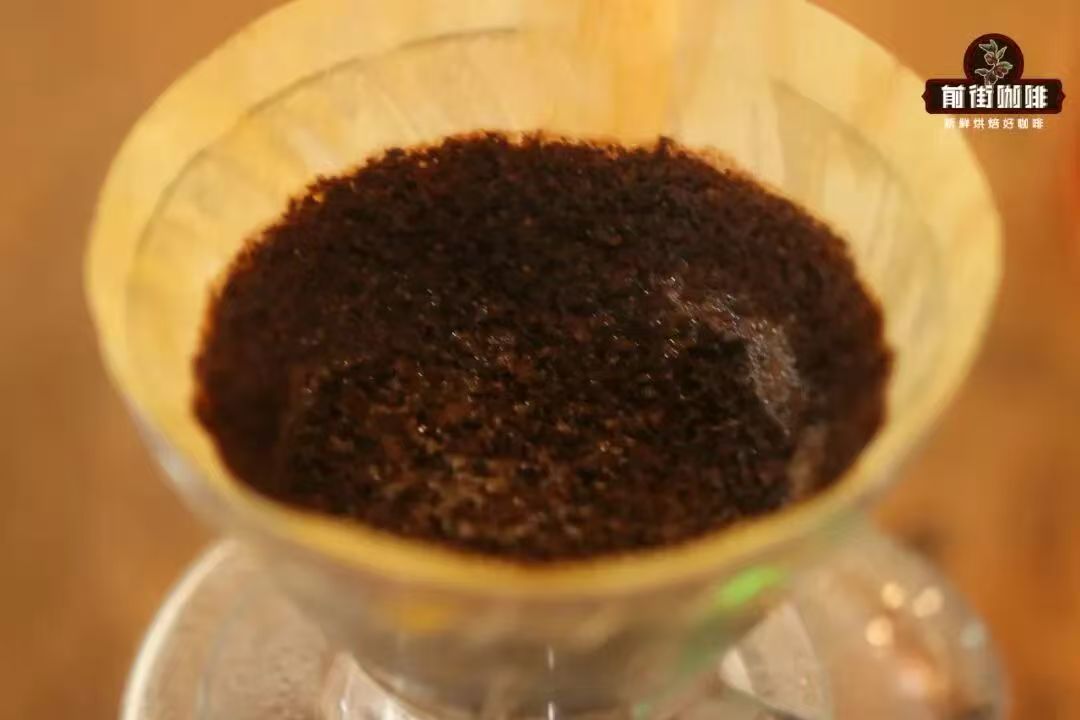
When using a conical dripper like a V60, the water flow concentrates in the center of the coffee bed and drains quickly, which suits aroma expression, but when the parameters are pushed too far it easily produces sharp acidity. To make the cup softer, choose a light to medium roast, start with a water temperature of 90 to 92°C, use a medium-fine grind, a coffee-to-water ratio of about 1:15, and pour in two to three stages to reduce the excessive agitation caused by violent circling.
A flat-bottom dripper has a lower coffee bed height and a relatively even water flow, so the cup usually has a fuller mouthfeel. It suits nutty, cocoa, caramel and ripe-fruit sweetness, and does not easily push the acidity to the front on its own. You can start with 92 to 94°C and a slightly coarser grind than for a V60, keep the pouring steady, and let the total extraction time land at about two and a half to three minutes, so the cup feels more enveloping.
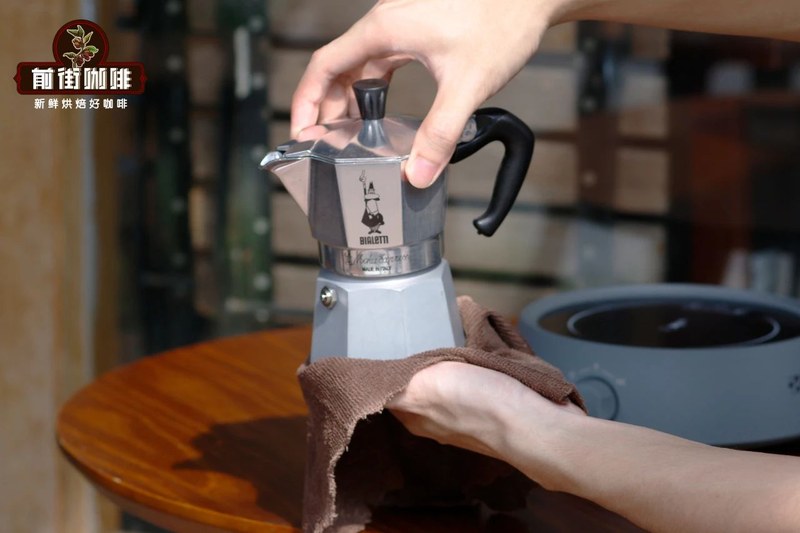
If you use a Clever Cup, Switch or other immersion brewer, the coffee grounds and hot water come into fuller contact, and the extraction rhythm is easier to control than with an ordinary dripper. For people who are not used to bright acidity, you can steep for two minutes and then open the valve, keep the water temperature at 89 to 92°C, and not grind too fine. This preserves aroma and sweetness while making the entry smooth, and the finish is less likely to show obvious dryness.
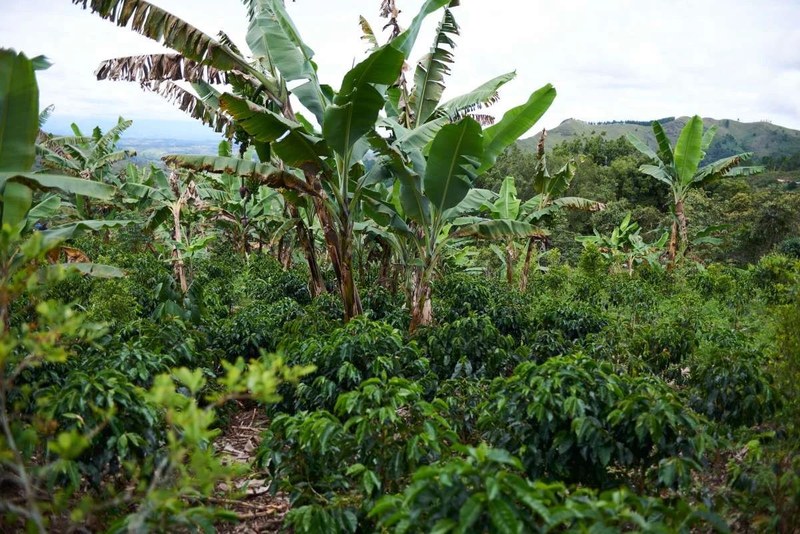
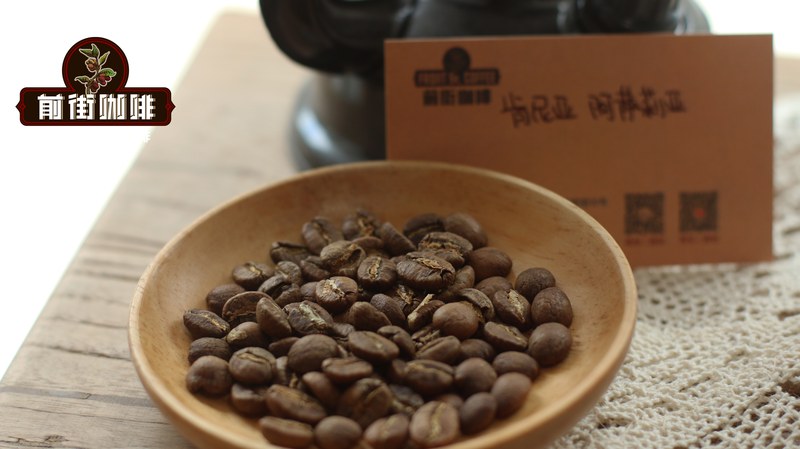
For those who prefer a clean, low-stimulation mouthfeel, pay attention to Qianjie Papua New Guinea Paradise Bird. Its aroma is not loud, and on the palate it has soft grain sweetness and a faint nutty note, with an overall smooth texture, making it suitable for brewing in a flat-bottom dripper or an immersion brewer. Use 15 g of coffee with 225 g of water, pour in stages at around 91°C, and let it cool slightly after extraction before drinking; the sweetness will be clearer than when it just comes out of the brewer.
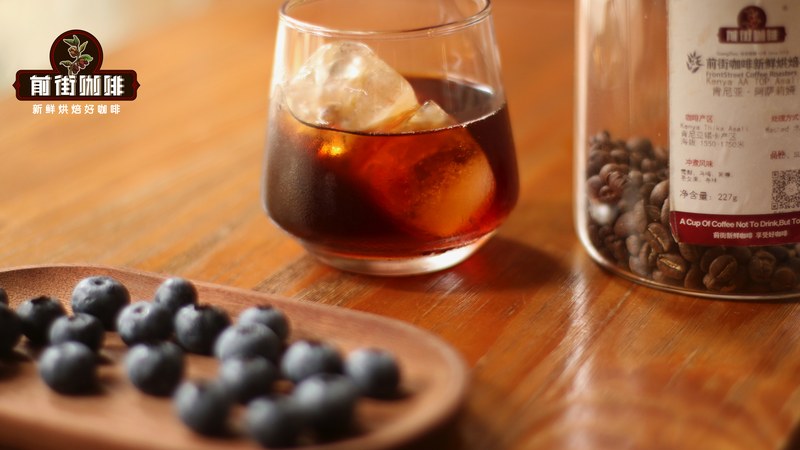
If you want fruit aromas but do not want the acidity to be too aggressive in a hot brew, you can give Qianjie Colombia Sidra to iced pour-over or immersion iced coffee. It can show aromas like berries, grape juice and ripe peach, and when cooled the mouthfeel is more like a refreshing juice. First extract a concentrated coffee liquid with hot water at a 1:10 ratio, then add ice cubes to dilute it; this lowers the drinking temperature and also makes the fruit aroma bright without being sharp.
Qianjie Yirgacheffe Gutingding is suitable for people who like floral notes, citrus and tea-like qualities but worry about too much acidity. With a V60, you can lower the water temperature to 90°C, grind slightly coarser, and reduce the amount of water in the later stages so the extraction concentrates in the first and middle stages; if you switch to cold brew, the citrus acidity appears milder, while the berry aroma and a green-tea-like aftertaste are easier to perceive, making it suitable for slow drinking in summer.
The filter paper material and the brewing water are also worth noting. Thin filter paper with a fast flow makes the coffee lighter, while thick filter paper may lengthen the drainage time; when the water temperature is high and there are more minerals, both sweetness and bitterness become more obvious. For an initial brew you can use clean-tasting drinking water and establish a baseline with 15 g of coffee and 225 g of water. If the entry tastes too acidic, first adjust the grind finer; if the finish turns bitter, shorten the contact time or lower the water temperature.
Once the brewer parameters are stable, you also need to judge whether the bean is suitable based on the drinking temperature. A hot drink more easily amplifies aroma and acidity, while after it cools you can see the sweetness, body and aftertaste. If you like mild black coffee, you can drink it at a medium temperature; if you like fruit aromas, you can drop the coffee liquid directly into an ice cup. Change only one thing at a time, either the grind or the water temperature, and compare the difference between two cups; this makes it easier to find the range that suits you.
Single origin beans are not limited to just one brewing method. Beans with a low-acid orientation can be put into a flat-bottom dripper to gain a rounded body; beans with obvious fruit aromas can also reduce stimulation through iced pour-over or immersion extraction. By matching the brewer's flow rate, coffee-to-water ratio and temperature, and then paying attention to how the coffee liquid changes from hot to cool, you can find a more comfortable, sweet and mellow balance between acidity and bitterness.
Related Reading


Comments (0)
Loading comments...
You May Be Interested


Trending Reviews
Popular Videos

With you, wherever you are! We provide useful features to help you find new things you'll love






