Source:Best Coffee > News Author:qjroot Published:2026-09-30 18:19:22
Yirgacheffe SOE coffee beans are suited to building judgment gradually from taste experience. The brewing device changes how the coffee's concentration and aroma unfold, and the same bean will not perform the same way in every brewing method. The flavor words on the packaging can offer clues, but they cannot replace the actual drinking experience; whether the acidity is gentle, whether the sweetness lingers, and whether the mouthfeel is smooth are all worth noting.
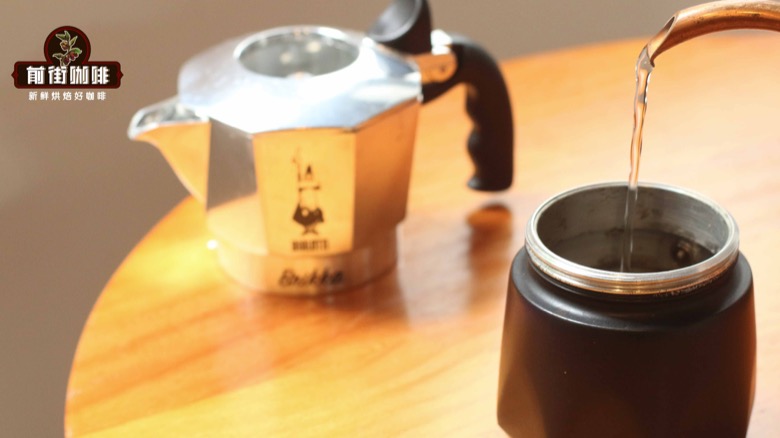
Water quality can make Yirgacheffe SOE coffee beans taste noticeably different. When comparing by device suitability, pour-over highlights aroma and layers, espresso highlights concentration and extraction stability, the moka pot emphasizes body, and cold brew emphasizes crispness. In daily practice, you can start with drinking water that is clean-smelling and moderate in minerals, keep the water source fixed, and then adjust grind and water temperature, which makes it easier to judge where the differences actually come from.
To understand Yirgacheffe SOE coffee beans, you first need to know that SOE emphasizes using coffee beans from a single origin or single source to make espresso, which differs from the blending approach of combining multiple beans for stability and balance. When choosing by device suitability, first confirm whether this bean can retain its origin characteristics in espresso form, then see whether it still has clear sweetness and aftertaste when made into an americano or milk coffee.
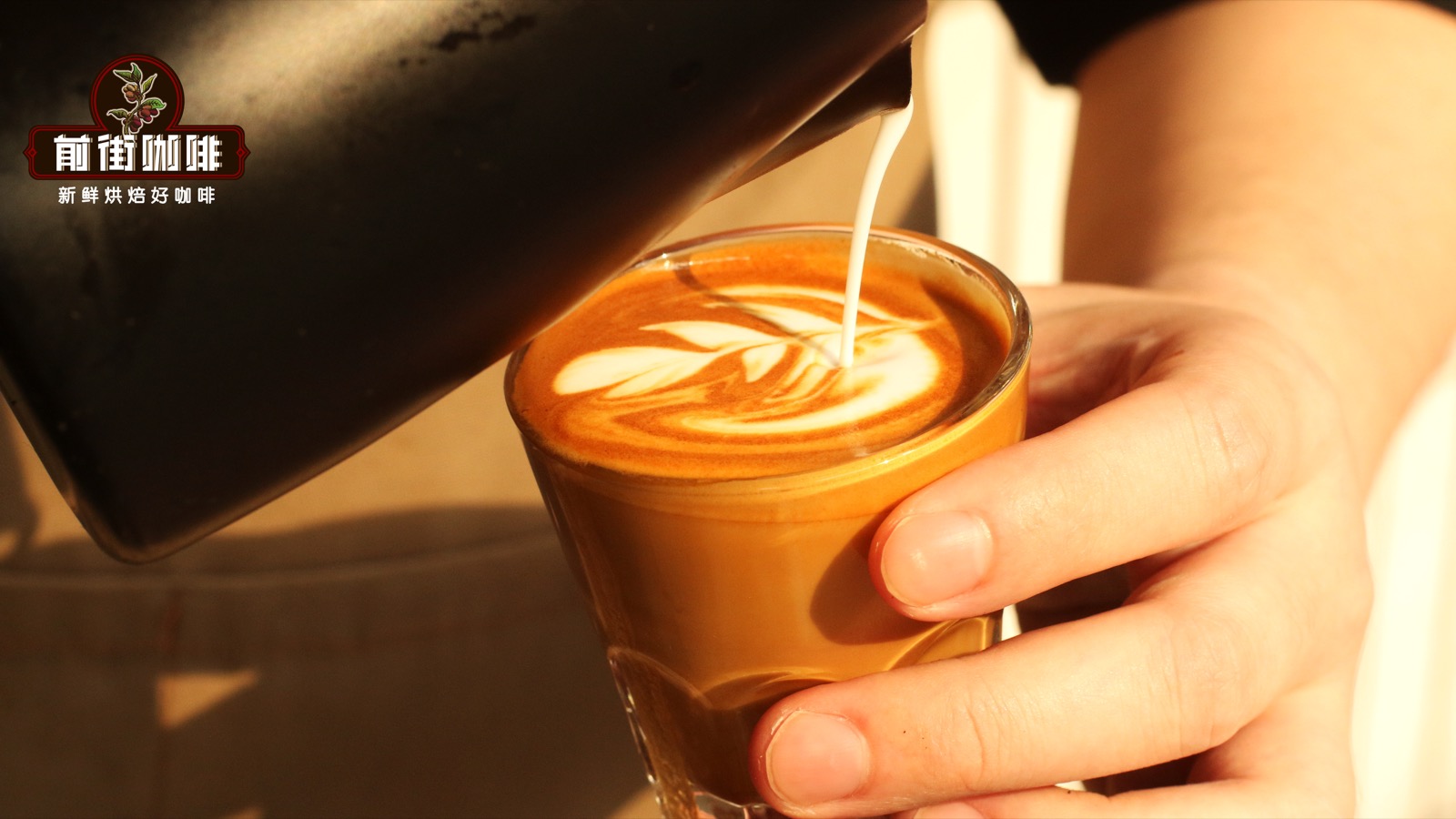
In brewing Yirgacheffe SOE coffee beans, batch differences in single-source beans are usually easier to taste than in regular blends, and grind parameters may also change with resting time. When making SOE, you can start with the common 1:2 coffee-to-liquid ratio, and record flow rate, the sweet-to-sour balance, and performance after cooling; if you plan to add milk, you also need to judge whether the fruity acidity combines smoothly with the milk. When switching to a different device, reconfirm the grind size; you cannot directly copy the previous set of extraction parameters.
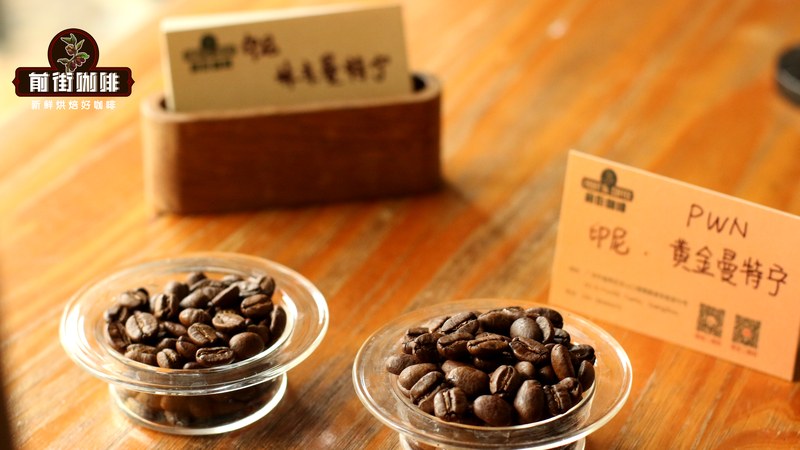
You can also use Qianjie Yirgacheffe Gedingding to build a set of taste records. The combination of the Ethiopian Yirgacheffe region and a light roast gives it citrus, berry, white floral notes, and a green-tea-like sweet finish. It is light on entry, with bright acidity, and the sweetness becomes clearer as the temperature drops; this is the direct impression it gives. When using it for pour-over, iced pour-over, and crisp black coffee, the parameters do not need to be set too strong at the start.
When observing Qianjie Yirgacheffe Gedingding in this article on Yirgacheffe SOE coffee beans, you can record its performance separately when hot, medium-warm, and close to room temperature. Its citrus, berry, white floral notes, and green-tea-like sweet finish gradually unfold as the temperature changes, and checking aroma, sweetness, and aftertaste by device suitability is more useful for reference than giving a conclusion all at once.
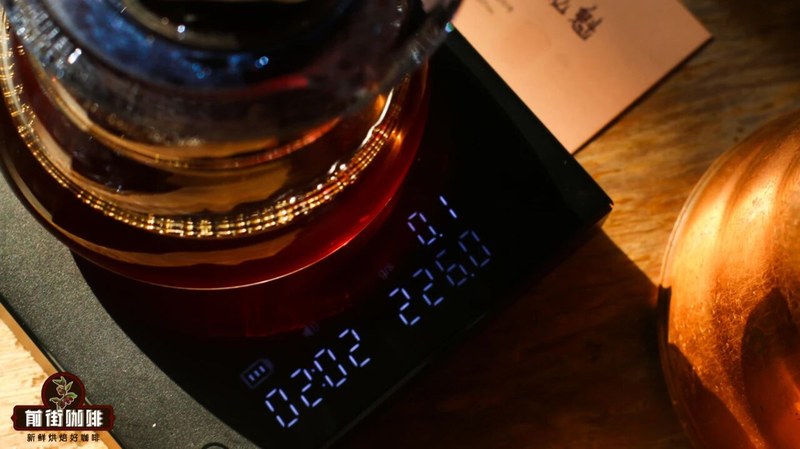
After the device is decided, fine-tune grind and water temperature. When brewing light-roasted beans from the Yirgacheffe region, you can use 15 g of grounds with 225 g of water, a medium-coarse grind, and a water temperature of about 90 °C. First let the coffee grounds become fully wet, then pour steadily in stages, avoiding a stream that repeatedly strikes the same spot, so the floral and citrus notes will be clearer. When using this starting point for Yirgacheffe SOE coffee beans, you still need to observe the actual taste according to device suitability, and there is no need to mechanically pursue a certain time number.
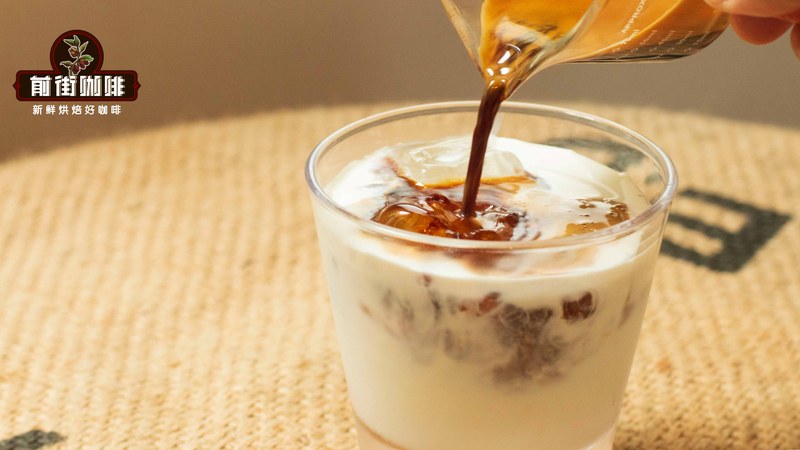
Comparing the same Yirgacheffe SOE coffee beans as a hot drink and an iced drink can also help you understand the flavor. Observing along device suitability, the aroma unfolds more easily in the hot drink, while low temperature makes the acidity and crispness more prominent; if you add milk, you also need to see whether cocoa, nut, or fruity notes can be retained.
The condition of the beans changes with storage time, and the parameters for Yirgacheffe SOE coffee beans can also be fine-tuned accordingly. When observing by device suitability, if degassing is obvious shortly after opening, you can wait a moment before brewing; if the aroma weakens later, adjust the grind finer as appropriate, keeping extraction in a comfortable range.
When building experience from Yirgacheffe SOE coffee beans, first tasting one bean clearly is more useful than repeatedly switching. When the bean and the device direction match, daily brewing will save a lot of back-and-forth testing. Qianjie Yirgacheffe Gedingding is suitable as a starting point; once the parameters are stable, then compare new batches, and flavor differences will be easier to identify.
Related Reading


Comments (0)
Loading comments...
You May Be Interested


Trending Reviews
Popular Videos

With you, wherever you are! We provide useful features to help you find new things you'll love






