Source:Best Coffee > News Author:qjroot Published:2025-09-12 22:30:33
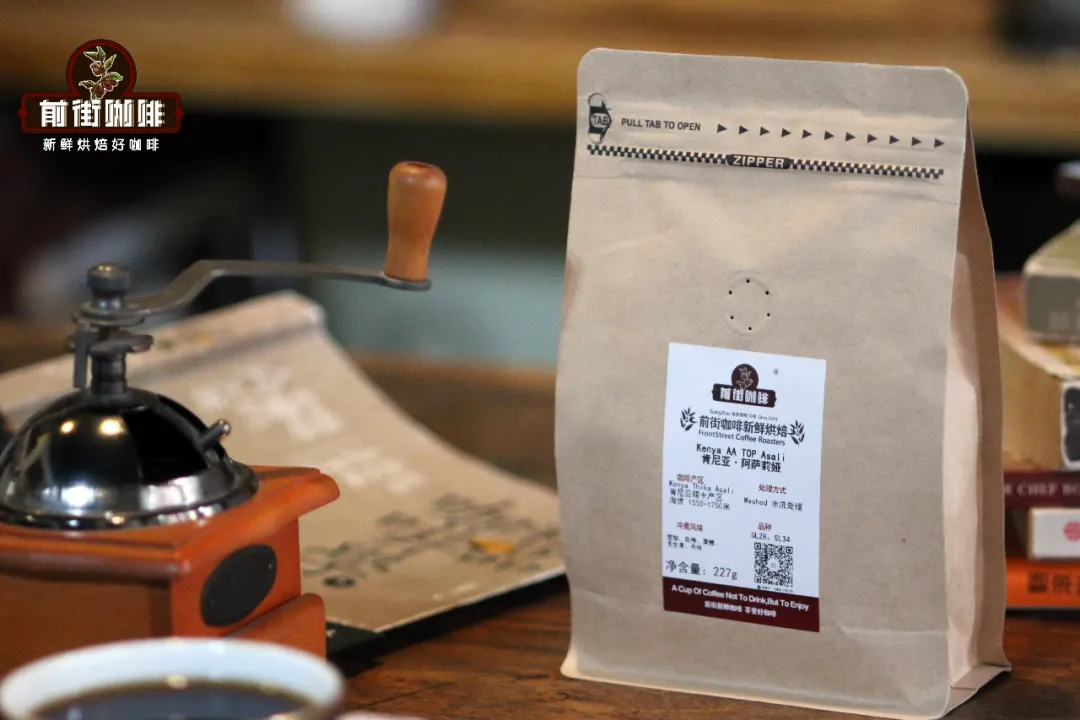
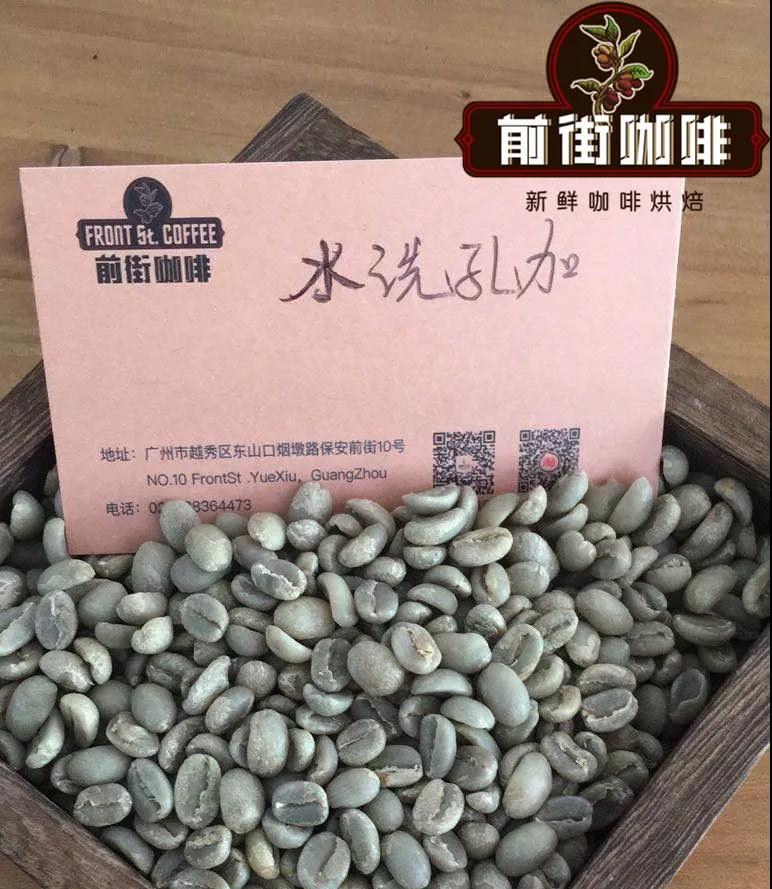
Friends who enjoy acidic coffee have probably learned about Kenyan coffee, which is known for its distinct and complex berry-like acidity, the fresh sweetness of sugarcane and a juice-like acidity, and is loved by many coffee professionals. FrontStreet Coffee has a coffee bean from the Asail processing plant in Saria, Thika region, Kenya, using SL28 and SL34 varieties, washed processing, with cherry tomato and smoked plum flavors, bright acidity, prominent sweetness, a juicy mouthfeel and a clean cup.
It is not hard to notice that when buying Kenyan coffee, the SL28 and SL34 varieties almost always appear in the coffee variety column. At present, SL28 and SL34 can be said to be the most important and most popular, as well as the most common, coffee varieties in Kenya, not only planted in most coffee producing areas in Kenya, but some SL28 coffee trees have even reached 60-80 years of age.
Why are these two varieties so popular? It is all because of their unique flavors. The SL varieties planted in Kenya are known for their pronounced citrus, berry and smoked plum flavors, higher sweetness, bright and rich fruit acidity, and a full-bodied mouthfeel, making them one of the most closely watched representative varieties apart from the Gesha variety.
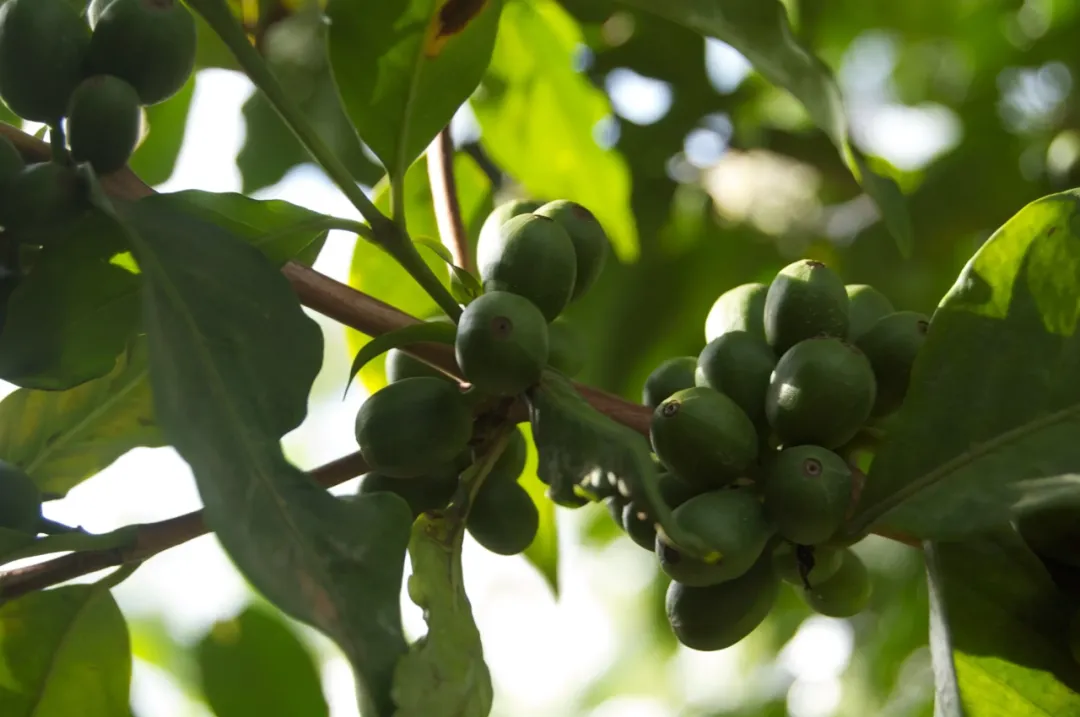
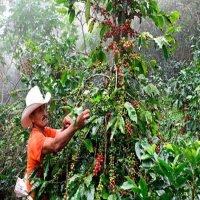
The next point is the growing characteristics of this variety. Although the SL28 variety is susceptible to major diseases such as coffee leaf rust and insect pests, it has relatively high yield, strong adaptability, is easy to grow, is suitable for planting in medium and high altitude areas, and has drought resistance.
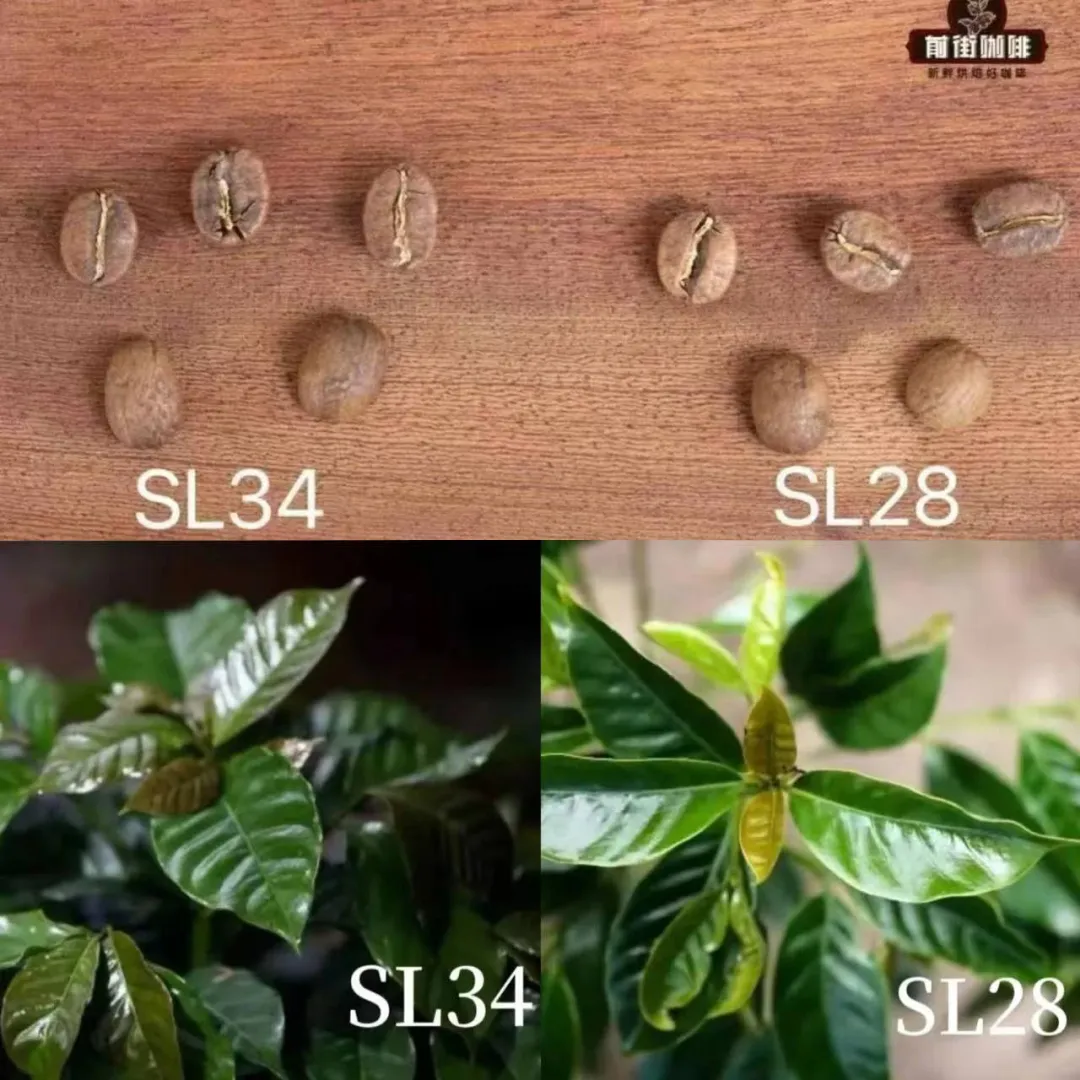
Likewise, SL34 has growing characteristics similar to SL28: high yield, easy to grow, suitable for planting in medium and high altitude areas, and both are easily attacked by diseases. So how do you distinguish the two varieties? On the plant, the leaf tip of SL28 is green, while the leaf tip of SL34 is a darker bronze color. On the bean, the SL28 bean body is round, while the SL34 bean body is longer, resembling an oval.
In the following 4 years, the Scott Agricultural Laboratories selected 42 coffee tree varieties from different origins and studied their yield, quality, drought resistance and disease resistance, among other aspects. The selected coffee tree varieties were all prefixed with SL (the abbreviation of the laboratory's name), plus a number, and SL28 and SL34 were among the winning varieties. Although the Scott Laboratories have now been renamed the National Agricultural Research Laboratories (NARL) of Kenya, the names and numbers of the coffee varieties have been retained.
On checking the relevant records, Best Coffee found that a coffee variety discovered in a place called Tanganyika (present-day Tanzania) appeared to be a coffee variety resistant to drought, disease and insect pests, though later only its drought resistance was confirmed. This variety is SL28. Once released, it was widely propagated and planted, and not until recent genetic testing was it confirmed that SL28 is related to the Bourbon genome. SL34, on the other hand, was selected from a coffee estate in the Kabete area near Nairobi, the capital of Kenya, and genetic testing showed that SL34 is related to the Typica genome.
At present, varieties such as K7 and Ruiru 11 (developed using the genetic traits of many different varieties, including Catimor, Rume Sudan, Bourbon, K7, N39, SL28, etc.) are also grown in Kenya, and these varieties have the characteristics of high yield and high disease resistance, but in terms of flavor they are not as unique and rich as SL28 and SL34, so the latter are more popular locally in Kenya.
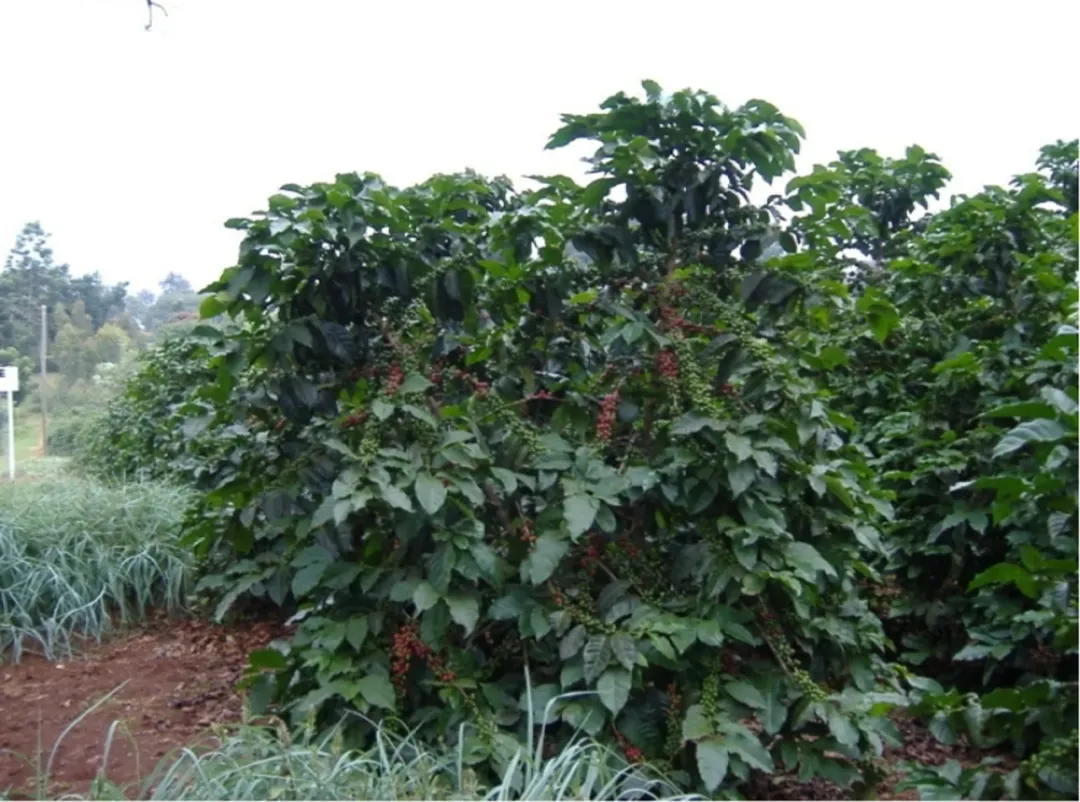
Many farmers in Kenya plant and harvest SL34 and SL28 together, so most of the Kenyan coffee we buy is also a blend of SL28 and SL34. Because of the high yields, strong survival rates and rich aromas of the SL varieties, they spread from Kenya to Uganda, Zimbabwe and other parts of Africa for cultivation, and later spread to the Americas, showing outstanding results in Costa Rica and El Salvador in recent years.
To learn more about coffee origins and news, please scan the QR code to follow: Coffee Review
Long-press the QR code to follow:

Related Reading



Comments (0)
Loading comments...
You May Be Interested



Trending Reviews
Popular Videos

With you, wherever you are! We provide useful features to help you find new things you'll love






