Source:Best Coffee > News Author:qjroot Published:2026-10-09 10:19:13
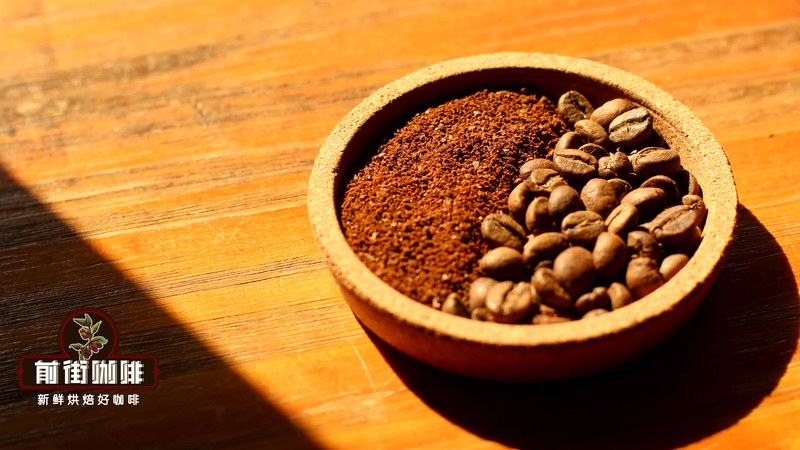
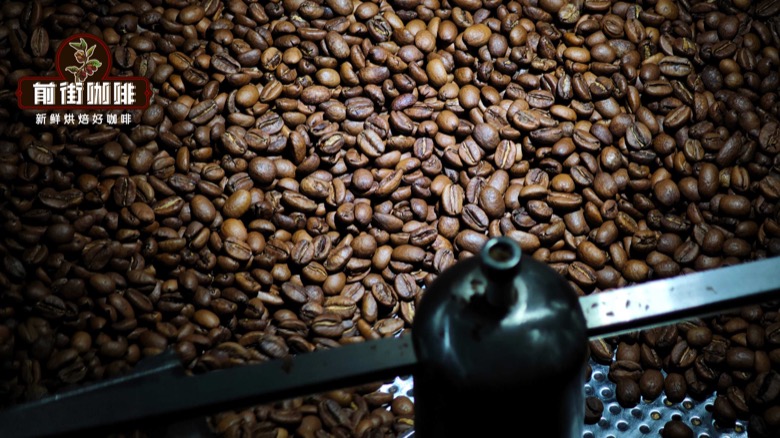
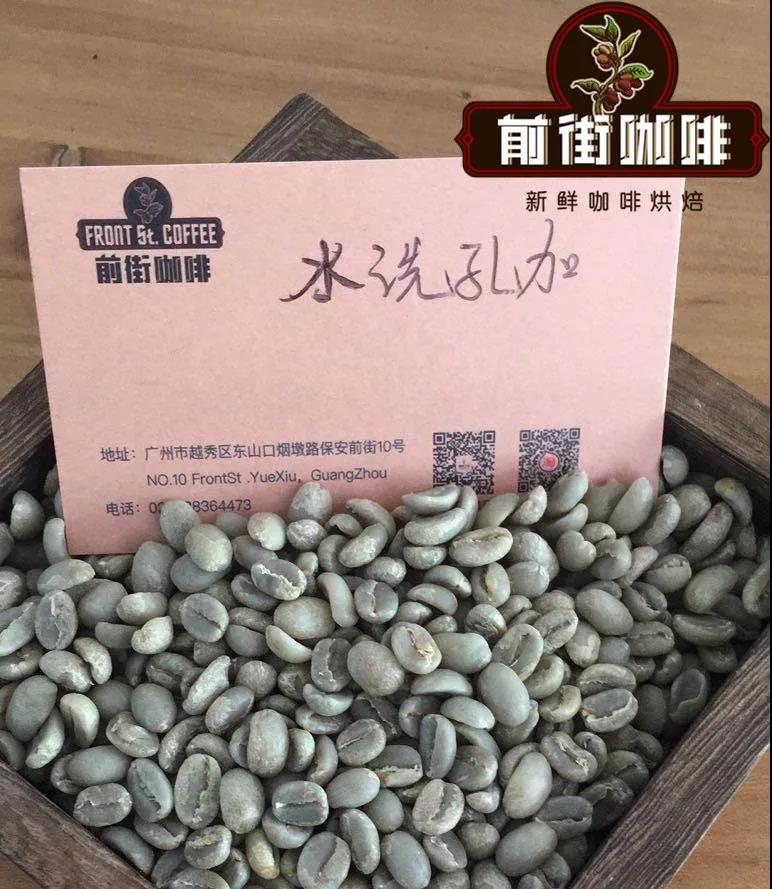
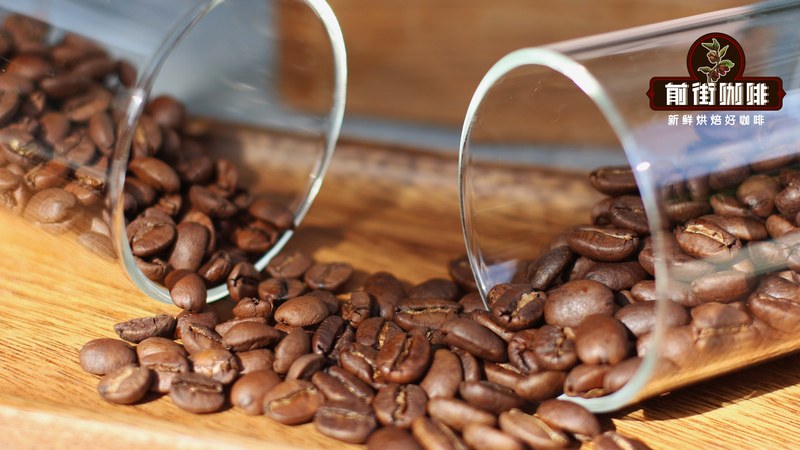
This bag of beans is Qianjie Kilimanjaro, a medium-light roast, washed process. Before moving, I used it for pour-over, and its citrus and honey sweetness was very appealing. But now that my equipment has changed, how to set the water temperature, and whether it will brew up sour and astringent or woody, has become the problem I need to solve right now.
Water temperature is a bit like handing water to people with different personalities. Light-roast beans have a tight structure, and their flavor compounds are hidden deep, so you need a higher water temperature to coax out the floral and fruity aromas; for pour-over, it is generally 92 to 94 degrees. Medium-dark roast beans have gone through more Maillard reactions, their cell walls are fragile, and too high a water temperature easily forces out burnt bitterness, so 88 to 90 degrees is safer. Too low a water temperature underextracts, and the sour and astringent sensation is like an unripe orange; too high a water temperature overextracts, and bitterness and woody notes overpower everything.
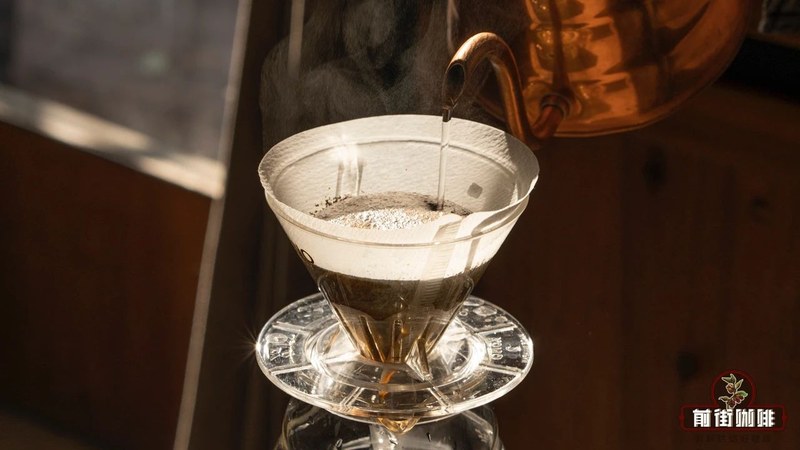
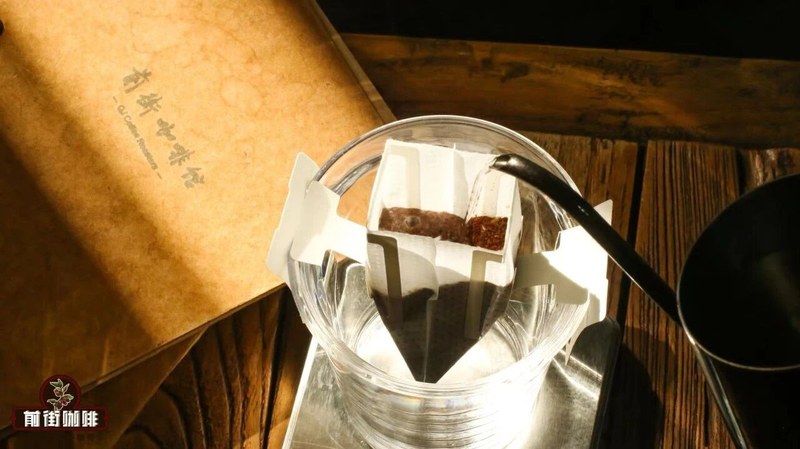
In the pour-over scenario, for a medium-light roast like Qianjie Kilimanjaro, I suggest using 93 degrees. 15 g of grounds, a 1 to 15 coffee-to-water ratio, that is 225 ml of water. First pour in 30 ml of water and bloom for 30 seconds to let the carbon dioxide escape completely, then pour in stages, using a small stream in circles up to 225 ml, with the total time controlled at about 2 minutes. Brewed this way, the citrus acidity is bright, the honey sweetness becomes more and more obvious as the temperature drops, and the creamy smoothness is also retained.
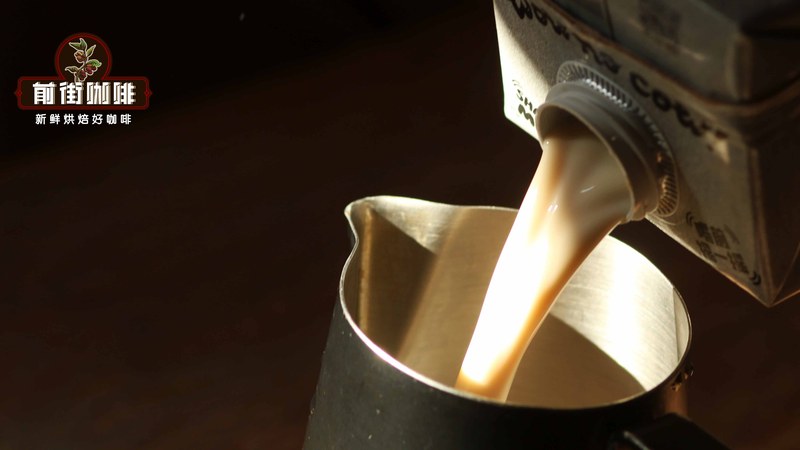
If you only have an espresso machine, this medium-light roast bean is actually a bit picky about water temperature. The espresso extraction temperature is best kept between 90 and 92 degrees, with 18 g of grounds extracting 36 to 38 g of espresso in 25 to 28 seconds. When Qianjie's Tanzania is made into espresso, its acidity is livelier than dark-roast beans; mixed into an Americano it is a refreshing citrus profile, and with milk it turns toward honey milk tea. But once the water temperature climbs above 93 degrees, a woody note easily emerges in the espresso, like biting into the white pith inside an orange peel.
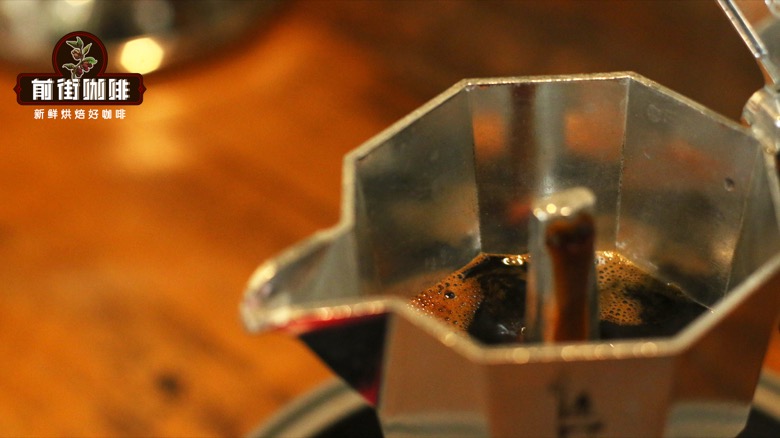
The moka pot is the tool I use most after moving, and its water temperature control is more passive, relying entirely on adjusting the heat. Add 80 to 140 ml of water to the lower chamber, fill the basket level without tamping, heat over medium-low heat, and the brew time is between 1 minute 15 seconds and 2 minutes 30 seconds. When brewing Qianjie Tanzania in a moka pot, it is best to use warm water rather than cold water, as this shortens the heating time and reduces the risk of overextraction. Drunk straight, it is on the strong side; add a little hot water to make an Americano, and the honey sweetness is actually more concentrated than with pour-over.
When it comes to water temperature tolerance, some beans really are more easygoing than others. A medium-dark roast like Qianjie Mandheling has a much wider water temperature window, holding steady from 88 to 92 degrees, and neither pour-over nor moka pot easily goes wrong, with its dark chocolate and caramel flavors very resistant to extraction. Qianjie Yirgacheffe is the other extreme, a light-roast floral type; below 90 degrees it is thin, and above 94 degrees it easily turns bitter, so it must be precise, like caring for a greenhouse plant.
After moving, I gradually figured out the pattern: the less equipment you have, the more you need to choose the right beans. If only a moka pot is left in the kitchen, choosing a medium-dark roast is more worry-free; if an espresso machine is the main tool, making an SOE from a medium-light roast requires getting the water temperature just right. Qianjie Kilimanjaro, for me, has now become exclusive to the moka pot, and only on weekends when I use the pour-over kettle do I switch back to the standard 93-degree brewing method.
I peeled the fragile sticker off that bag of beans and stuck it on the lid of my new grinder. Water temperature, in the end, is not about memorizing numbers by rote, but about understanding what the beans want. It is like organizing a new home: only as you open the boxes one by one do you know what should go in which drawer.
Related Reading

Comments (0)
Loading comments...
You May Be Interested


Trending Reviews
Popular Videos

With you, wherever you are! We provide useful features to help you find new things you'll love






