Source:Best Coffee > News Author:qjroot Published:2026-09-22 14:13:57
Many people new to drip bags tend to treat them like tea bags and keep pouring water over them again and again, but in fact one extraction is all a drip bag needs. The first time hot water passes through the coffee grounds, they already release their aromatic compounds and sweet essence. If you keep re-pouring, all that is left in the grounds is woody bitterness and rough astringency, and the coffee liquid turns thin and harsh. If you want to taste pure aroma, always remember: one bag, one cup.
Now that you understand the one-pour principle, the key to choosing a drip bag lies in finding an origin and terroir that suits you. A tiny drip bag actually seals in the flavor code of distant mountains and climates. The world's three major coffee regions, because of differences in sunlight, soil and altitude, give birth to vastly different flavor maps. As long as you match them to your own taste preferences, you can easily find the cup that becomes your daily staple.
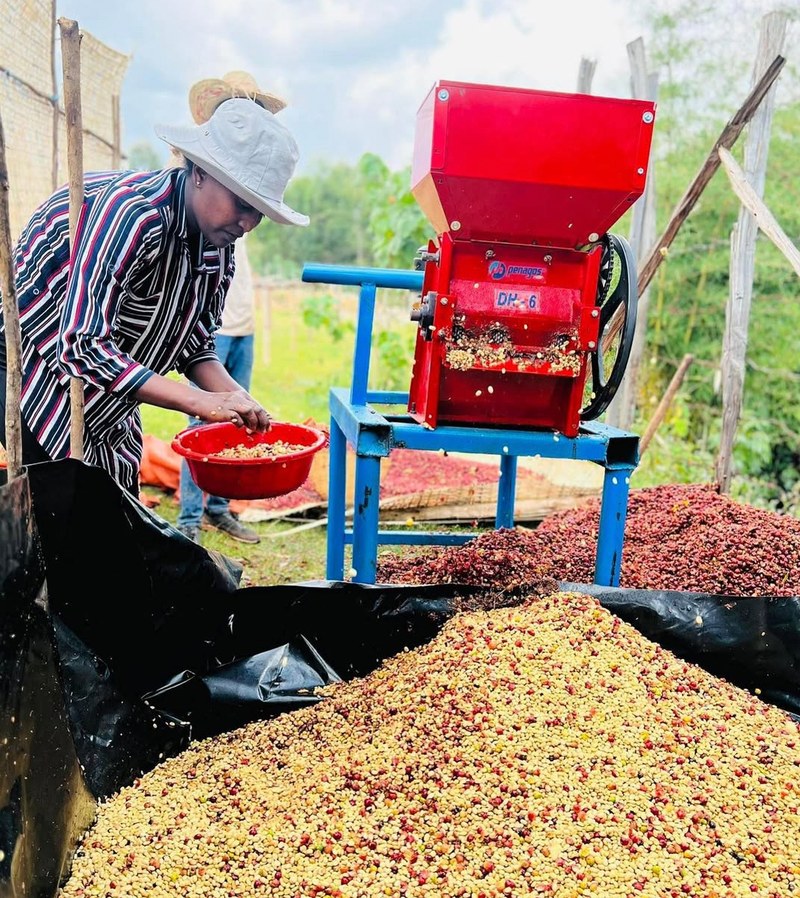
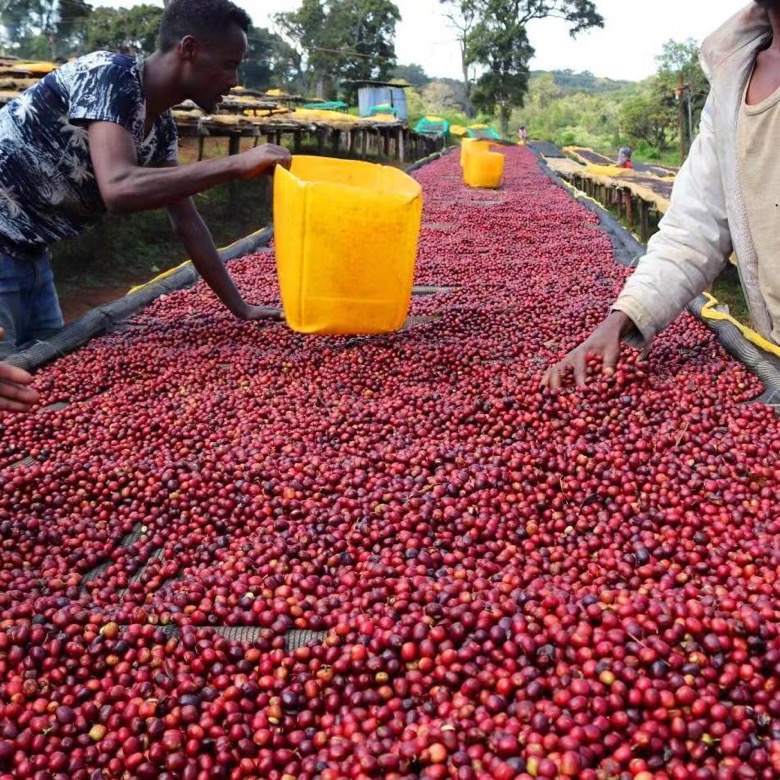
For those who prefer fresh, bright acidity and are drawn to floral and fruity aromas, the African region is especially suitable. The high-altitude temperature swings of Ethiopia create a bright, lively fruit acidity; Qianjie Natural Huakui drip bags, for example, carry an intense guava and berry sweetness that unfolds in layer after layer and is very captivating. If you prefer a lighter, more elegant style, Qianjie Yirgacheffe Gudingding drip bags have a jasmine and green tea-like crispness that goes down with no burden at all.
This type of African bean is like a cup of clear fruit tea, especially suited to brewing on a somewhat drowsy afternoon; the bright acidity instantly wakes up the palate. For beginners who can accept fruity acidity, the layering that African terroir displays is stunning. As long as you pour the water in evenly, you can enjoy a fruity, pleasant experience at your desk just like a freshly ground, freshly made cup from a pour-over bar.
If you prefer something warm and steady with a focus on sweet balance, the Central and South American region is a choice that will never go wrong. The volcanic soil and shade-grown cultivation here give coffee a nutty, cocoa baseline. Qianjie Colombia Huila drip bags give off an intense dark chocolate and nut aroma, mellow with a caramel aftertaste; Qianjie Panama Geisha drip bags blend an oolong tea-like delicate charm with floral notes, smooth and soft on the entry, and especially worth savoring.
As for those who dislike fruity acidity entirely and pursue a rich, full-bodied taste, their eyes can turn to the Asian region. Indonesia's unique climate and processing methods bring a steady, commanding herbal and spice flavor. Qianjie Indonesia Mandheling drip bags, for instance, brew up with a deep sandalwood aroma and herbal texture, very full in body. Even if you add a little more water, it still keeps its mellow sweetness, making it a good companion for veterans to wake up to in the morning.
Once you have chosen the right beans, the brewing vessel should be chosen just as aptly. A drip bag needs the two side ears to rest on the rim of the cup for support, so it is recommended to pick a dark-colored mug or tall glass with a mouth diameter under 9 cm and a height over 12 cm. This prevents the filter bag from slipping when you pour water, and also lets the dripping coffee sink straight to the bottom of the cup, keeping the lower half of the filter bag from soaking in the coffee liquid for a long time, thereby maintaining a clear, pure taste.
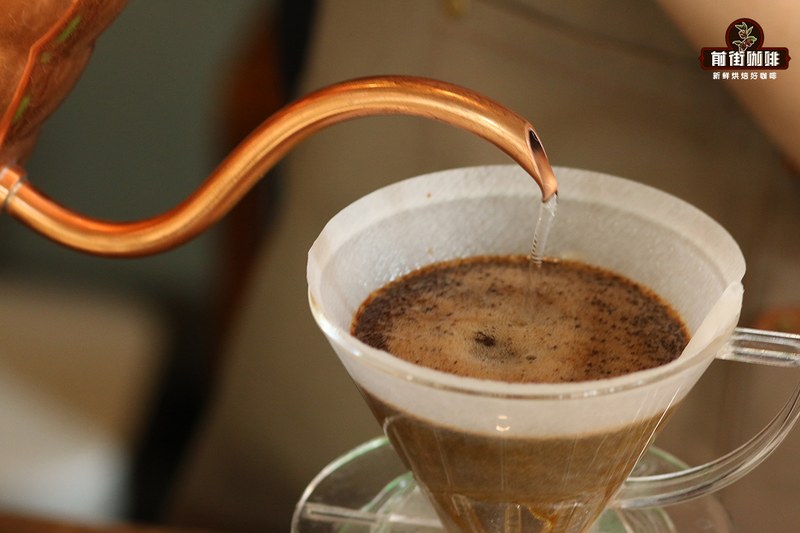
A water temperature of 92 to 95°C does a good job of drawing out the aroma; boil the water, take off the lid and let it sit for two minutes. The usual pour-over standard is generally 15 g of grounds, a 1:15 coffee-to-water ratio (225 ml water), first 30 ml of water for a 30-second bloom, then pour in stages, for a total time of around 2 minutes. When brewing a drip bag, we can follow this same logic: pour water over 10 g of grounds to wet them and bloom for 20 seconds, then pour in two stages up to nine-tenths full, for a total water volume of about 150 ml.
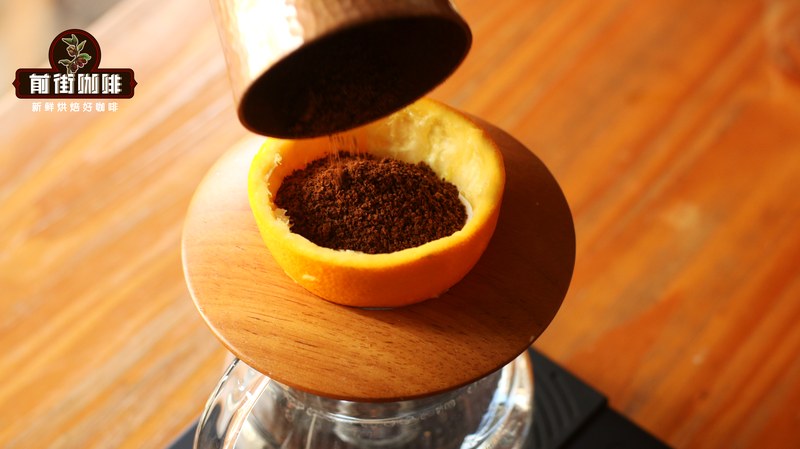
Once you have mastered the brewing details, a drip bag not only saves you the hassle of grinding but also presents the terroir character of each major region in its original form. From Africa's vivid, exuberant berry and floral notes, to Central and South America's warm, sweet dark chocolate and tea charm, to Asia's rich, deep herbal aromas, as long as you identify your own flavor map, all it takes is a pot of hot water and a few minutes of waiting to freely enjoy the flavors of origin every morning of your daily life.
Related Reading
Comments (0)
Loading comments...
You May Be Interested

Trending Reviews
Popular Videos

With you, wherever you are! We provide useful features to help you find new things you'll love






