Source:Best Coffee > News Author:qjroot Published:2026-08-15 10:38:24
Walk into any serious coffee shop, and the espresso machine in the back is almost certainly loaded with a blend. Why do coffee shops, with all those single-origin specialty beans available, insist on "blends"? Today we will explain the ins and outs of blend beans all at once.
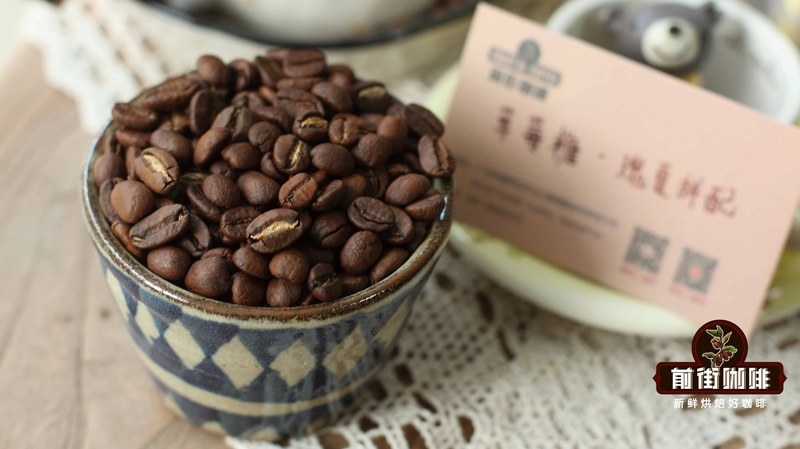
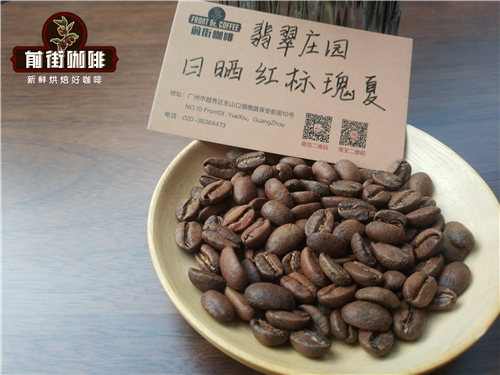
A blend is simply mixing coffee beans from different origins and with different flavors in certain proportions, letting them complement each other to form a coffee bean with stable flavor and a clear personality.
Single-origin beans are like solo singers: distinctive in character but also "temperamental" - change the season or the batch and the taste drifts. A blend is like a well-coordinated band: no matter which year or which batch of raw materials comes in, it can be calibrated back to the same tune. This is exactly what coffee shops value most: a latte today should taste the same as yesterday and tomorrow.
There are two ways to blend: green bean blending and roasted bean blending. Green bean blending means mixing green beans from different origins in proportion and then roasting them together; the advantage is a higher degree of flavor integration, but it places high demands on the roaster. Roasted bean blending means roasting separately and then mixing in proportion; it is more flexible, allowing the most suitable roast profile to be chosen for each bean. Most of Qianjie's blend beans use green bean blending, pursuing deeper flavor integration.
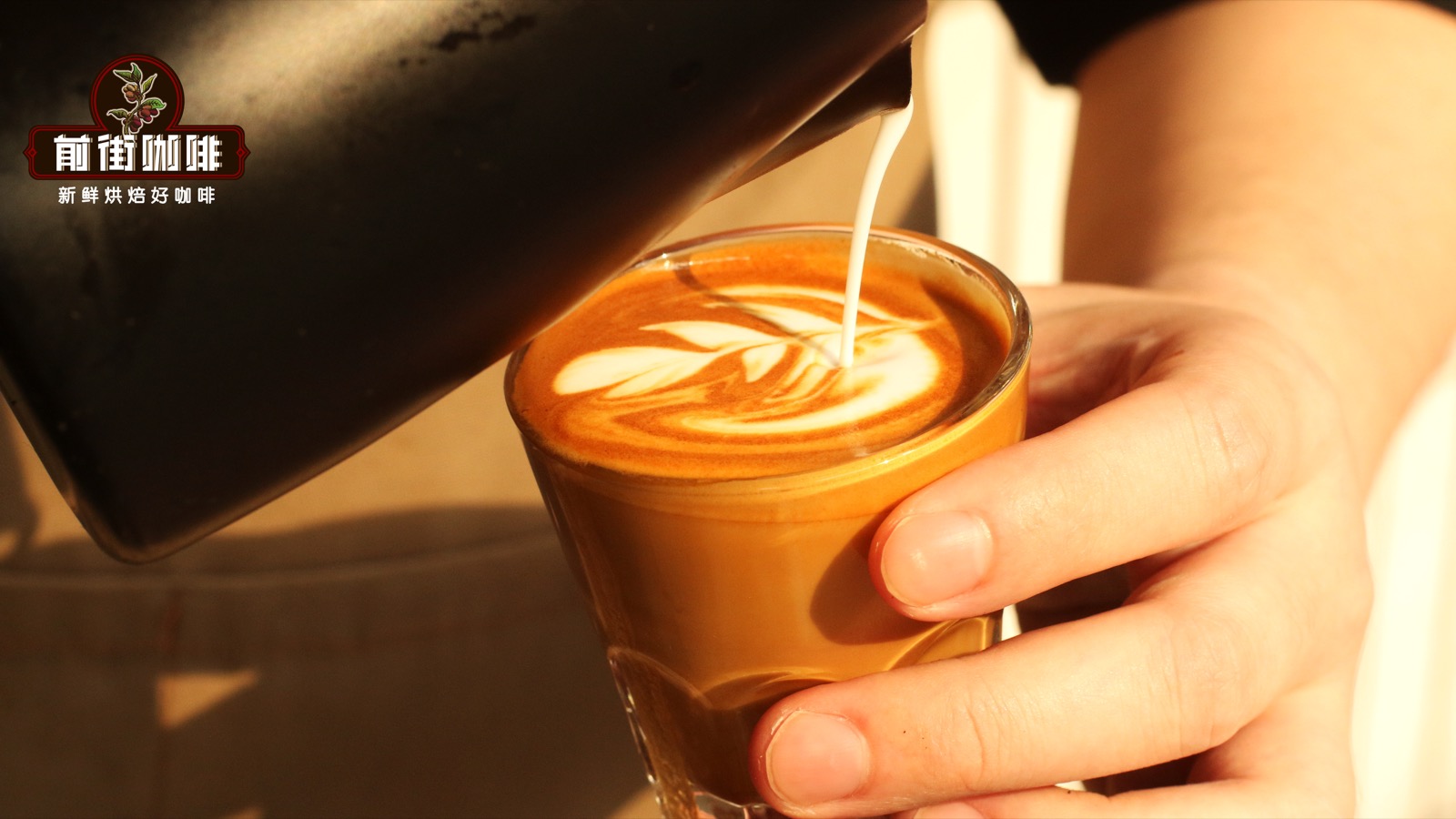
For espresso, crema is the soul. The velvety mouthfeel and beautiful latte art of lattes, cappuccinos and Dirty all rest on good crema.
When designing a blend recipe, the crema is optimized for - choosing bean varieties with good crema performance as the base and adjusting the roast profile to make the crema both dense and long-lasting. This is also one reason why coffee shops produce consistently, while buying a random bag of beans at home often fails to extract that kind of crema.
Specialty single-origin beans are expensive and in short supply, making it hard to support a shop's daily consumption. Blend beans, however, can flexibly combine beans at different price points, keeping costs under control while ensuring flavor quality - this is also the key to making a shop's business add up.
For example, in one blend, a moderately priced Brazilian bean can serve as the base to provide body and sweetness, paired with a slightly more expensive but flavor-forward Colombian bean to add layers, and finally a lower-priced Robusta or ordinary Arabica bean to increase crema and body. The combination of three beans keeps the total cost within a reasonable range, while the flavor performance far exceeds any one of them used alone.
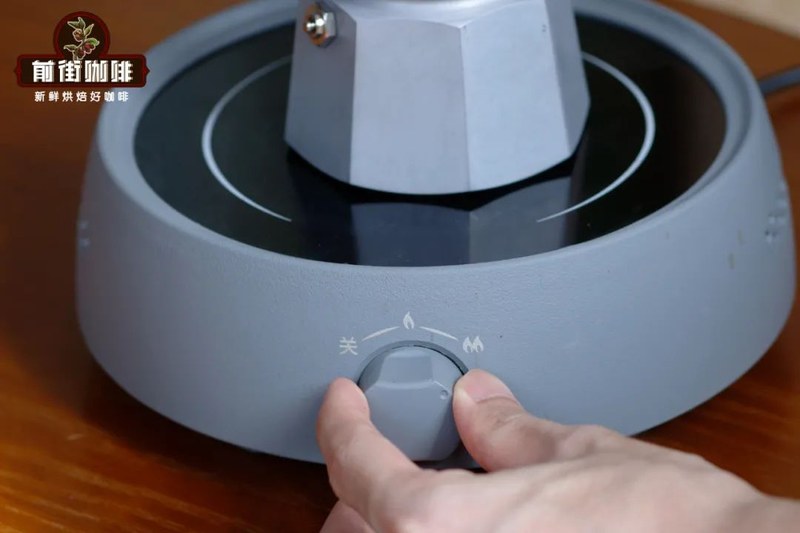
Qianjie Classic Blend - the standard answer "born for espresso." Designed specifically for espresso preparation and moka pots, its standout advantage is excellent crema; even a beginner using a non-professional home machine can easily extract dense, delicate crema. It uses the traditional Mamba blend recipe, with a full, warm mouthfeel that both beginners and veterans can accept, and it is the first espresso blend for many people just getting started.
Qianjie Specialty Blend - the classic recipe of "ten years in the shop." This is the espresso blend bean Qianjie stores have used the longest, nearly ten years, and it has always handled the making of core drinks such as Americanos and espresso lattes. Paired with Brazilian Cerrado and Colombian Huila coffee beans, the flavor is classic - the most familiar espresso taste in memory.
Qianjie Commercial Blend - the value-for-money workhorse of "the main force for opening a shop." Priced lower than the Specialty Blend, its recipe has been optimized in a targeted way, ensuring both taste and cost control; it suits various commercial scenarios and is the "ballast" of many shops.
The reason blend beans have become standard in coffee shops is that they solve three things at once: stable flavor, controllable crema and reasonable cost. For those opening a shop, it is the confidence of the business; for home users, it is a good helper for consistent daily output.
Related Reading

Comments (0)
Loading comments...
You May Be Interested



Trending Reviews
Popular Videos

With you, wherever you are! We provide useful features to help you find new things you'll love






