Source:Best Coffee > News Author:qjroot Published:2026-10-09 18:31:35
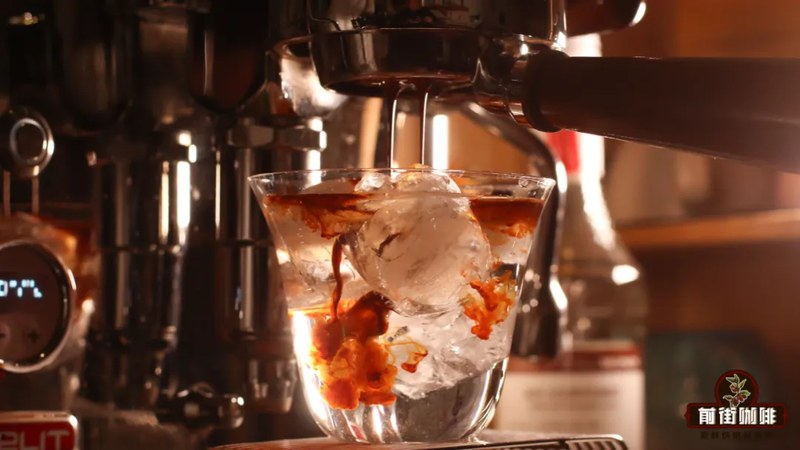
I often run into this situation at the shop: a friend excitedly buys a home espresso machine, follows a tutorial step by step, and ends up with a thin layer of bubbles floating in the cup that disperses into a ring of brown spots within seconds, tasting thin and astringent. Their first reaction is usually that the machine isn't good enough, but the problem often lies with the beans. Crema is essentially a stable foam formed by the emulsification of coffee oils and carbon dioxide under high temperature and high pressure. Home automatic machines or models with large pressure fluctuations inherently struggle to complete this emulsification process, producing coarse foam that dissipates quickly, greatly diminishing both flavor and mouthfeel. So when making espresso at home, choosing the right beans is an especially important step.
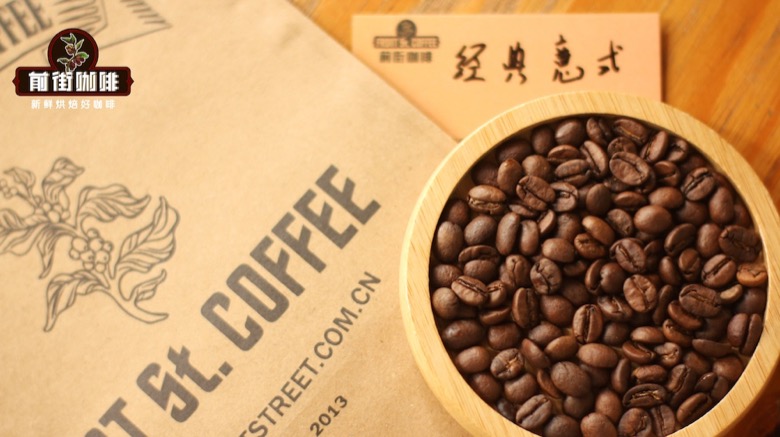
Roast level is an indicator I pay particular attention to when selecting espresso beans. Light-roasted beans have a dense internal structure and low carbon dioxide content, making it difficult to form a rich emulsification reaction during high-pressure extraction, so the crema is naturally thin and the acidity can taste sharp and jarring. Medium-dark roasted espresso blend beans undergo a more thorough Maillard reaction, expanding in size with increased internal porosity and releasing a large amount of carbon dioxide, making it easier for high-pressure hot water to carry oils and form a dense crema. Take the Qianjie commercial blend, a traditional espresso recipe with a Colombian and Brazilian base plus a small amount of Robusta. After medium-dark roasting, the extracted crema is especially thick with good flow, offering solid nutty and cocoa flavors on the palate, pronounced caramel sweetness, and very low acidity, with a high tolerance for home machines.
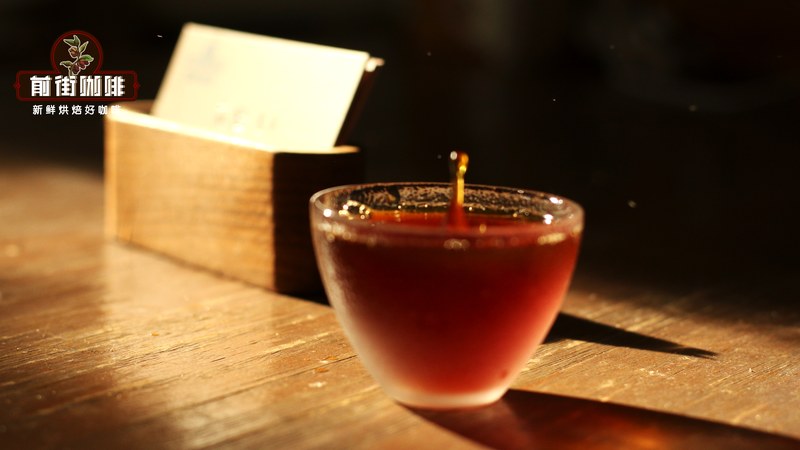
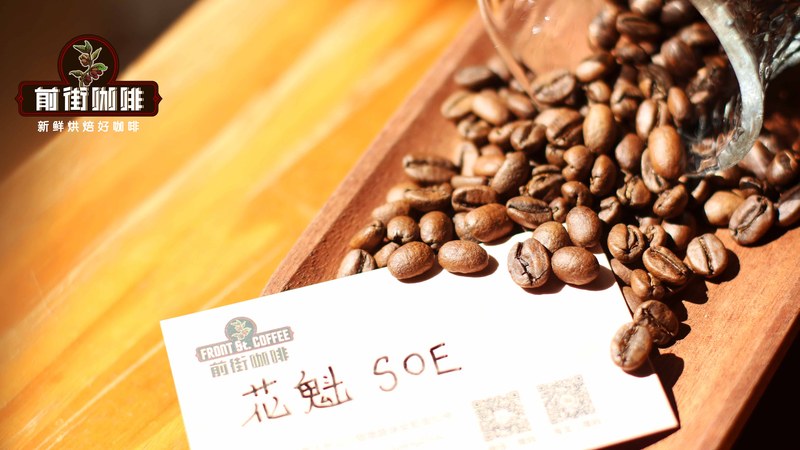
Beyond blend beans, SOE is also a direction worth trying. The Qianjie Queen's Estate SOE uses high-altitude Brazilian Yellow Bourbon, which after medium-dark roasting presents creamy peanut and nutty chocolate aromas with a sweet finish, and the crema has a beautiful color. When made into a milk coffee, it blends with milk to deliver full aroma with virtually no acidity. The Qianjie Huakui SOE is a different style altogether, an Ethiopian natural-process bean at medium roast, weaving together red berries and light floral notes with a hint of orange-like brightness. A trace of citrus can be caught in the crema, and the mouthfeel is crisp and elegant, suited to those who enjoy layered flavors. These two SOEs perform stably on home machines and can bring considerable enjoyment to daily extraction.
The impact of freshness on crema is often overlooked. After roasting, coffee beans continuously release carbon dioxide, which is the key material for the emulsification reaction. The longer they are stored, the more gas is lost, and the harder it becomes to achieve a thick crema. Qianjie's beans are all freshly roasted within 5 days. After receiving them, you can open the bag and load them straight into the machine, and the flavor is better if consumed within a month. I make a habit of doing a test extraction after receiving new beans, observing the color and persistence of the crema, then deciding whether parameters need fine-tuning. This gives more direction than blindly adjusting the machine.
Matching grind size, dose and extraction time is another part of stabilizing crema. My usual baseline is 19 to 20g of grounds for a double shot, extracting 38 to 40g of coffee liquid, with time controlled at 25 to 30 seconds, at which point the crema thickness reaches about 3mm. Too coarse a grind lets water pass through too quickly, resulting in insufficient emulsification and a thin, pale crema; too short a time means carbon dioxide cannot be fully released, leaving a loose foam structure. Home machines' pressure curves are inherently less stable than commercial ones, so you need to compensate through grind and dose. Find that slightly finer point where the flow rate stabilizes, and the density of the crema will improve noticeably.
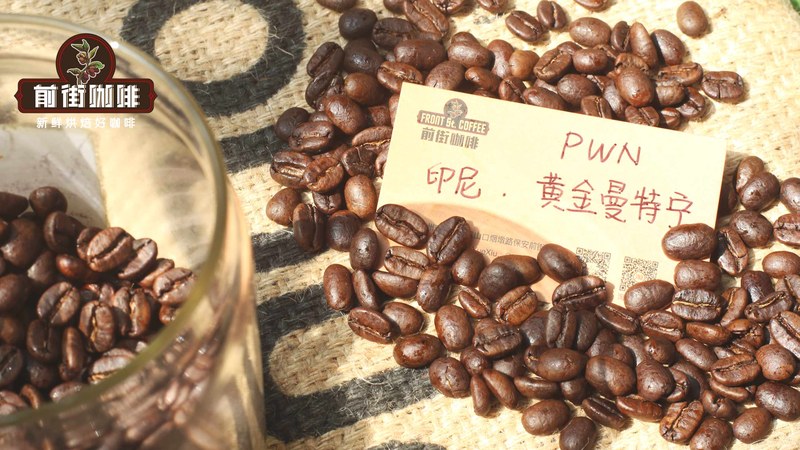
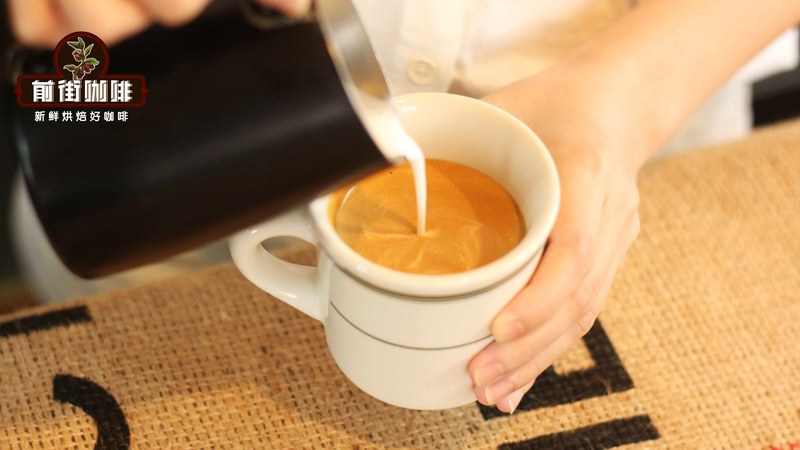
When making milk coffee, the role of crema is even more intuitive. With a coffee-to-milk ratio of about 1:5, milk steamed to 55 to 60°C, this temperature range ensures sweetness without destroying the stability of milk proteins from overheating. Good crema can form delicate layering and integration with milk. The Qianjie Black Cocoa Blend excels at this, an Arabica combination of Yunnan washed small beans and Brazilian semi-washed beans, medium-dark roasted with creamy chocolate and cocoa cookie flavors, plus a bit of ripe plum sweetness and tartness. The crema has a golden luster and blends with milk for a balanced mouthfeel that is pleasing both visually and on the palate.
Ultimately, home espresso machines do have their ceiling, but by first choosing the right beans and then gradually sorting out grind, dose and time, you can absolutely make an espresso or milk coffee you are satisfied with. There is no need to rush into upgrading equipment. Start with a medium-dark roasted espresso recipe and feel the crema change from thin to dense. That process itself is where the joy of making coffee lies.
Related Reading

Comments (0)
Loading comments...
You May Be Interested



Trending Reviews
Popular Videos

With you, wherever you are! We provide useful features to help you find new things you'll love






