Source:Best Coffee > News Author:qjroot Published:2026-09-07 10:00:09
Once coffee beans go into a fully automatic coffee machine, flavor is not decided by the "strength" button alone. The bean's dissolution speed and the target drink together affect grind, water temperature, single-cup dose and yield. Set a starting recipe for each bean, then calibrate based on what is in the cup, and the machine can reproducibly deliver the taste you like.
When reading the bean bag information, you can convert flavor clues into parameters. Beans with pronounced cocoa and roasted nut notes suit lower water temperature and a shorter yield, preserving body and sweet aroma; beans with lively berry notes can use a slightly higher water temperature and a slightly longer yield to open up the aroma; types with both caramel and nuts can start from the machine's middle setting.
On the casing of fully automatic machines you often see 15 bar or 19 bar, which mostly refers to the pump's rated capacity and does not mean the puck continuously endures the same pressure. If the machine exposes extraction pressure, start tasting from about 9 bar; most models do not offer this, so put your effort into grind setting, temperature level, coffee strength and cup volume, which help more directly in practice.
Qianjie Black Cocoa Blend centers on dark-chocolate-like bittersweetness, roasted nut aroma and a thick texture. In a fully automatic machine, start from a medium-fine grind at 88 to 90°C, choose a higher single-cup dose, and set the coffee liquid to 30 to 40 ml. It need not be ground close to the finest end; an even flow rate makes a rounded finish easier to retain.
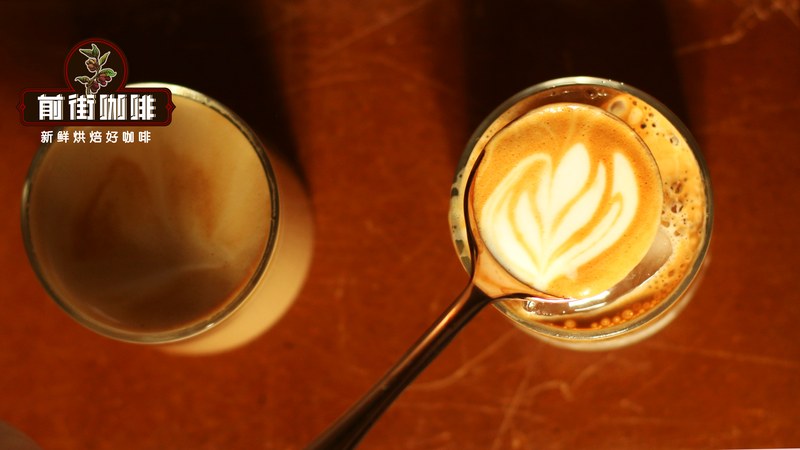
To make an Americano with this bean, it is recommended to first extract a short cup of coffee, then add 100 to 140 ml of hot water separately, which maintains a cleaner taste better than distributing a large amount of water through the puck. For a latte, use 30 to 40 ml of coffee liquid with 120 to 160 ml of milk, at a milk temperature of about 55 to 60°C, and the chocolate and nut notes will be clearer.
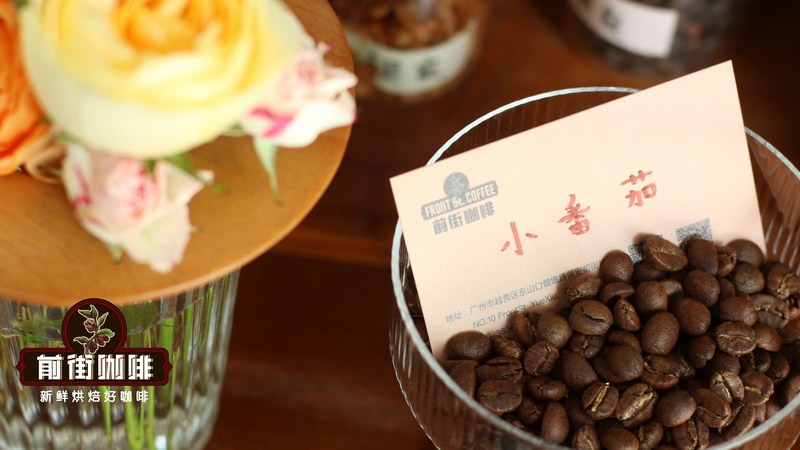
Qianjie Strawberry Candy Coffee Beans follow a bright berry-sweet aroma path, suited to letting the fully automatic machine present a lighter, brisker cup. As a starting point, set a medium-fine grind, 91 to 93°C, a 40 to 50 ml yield, and choose a medium-high dose. For an iced Americano, first add ice and cold water, then pour in the coffee liquid; adding a small amount of milk can also create a feeling of fruit candy interwoven with milky sweetness.
Qianjie Brazil Queen Estate brings ripe nuts, cocoa powder and caramelized sweetness, with soft brightness, making it suitable as a calibration sample for the machine. For a fully automatic espresso, use a medium grind, 90 to 92°C and a 35 to 45 ml cup volume, and the structure you taste will be rounder. If adding milk, simply raise the dose by one level; there is no need to also press the grind very fine.
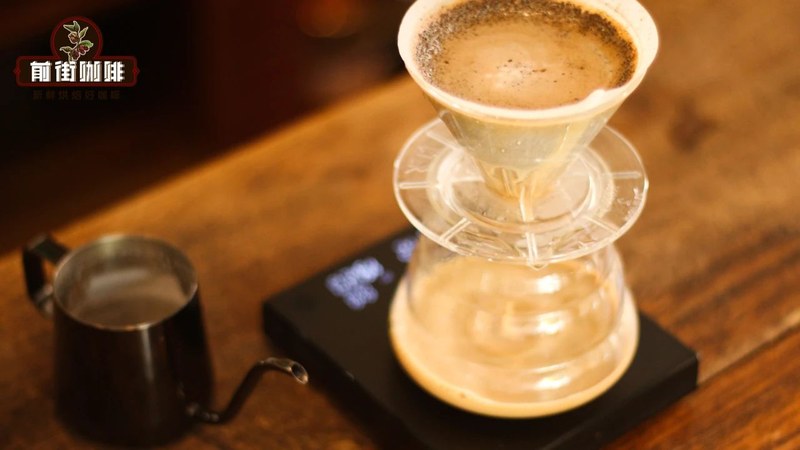
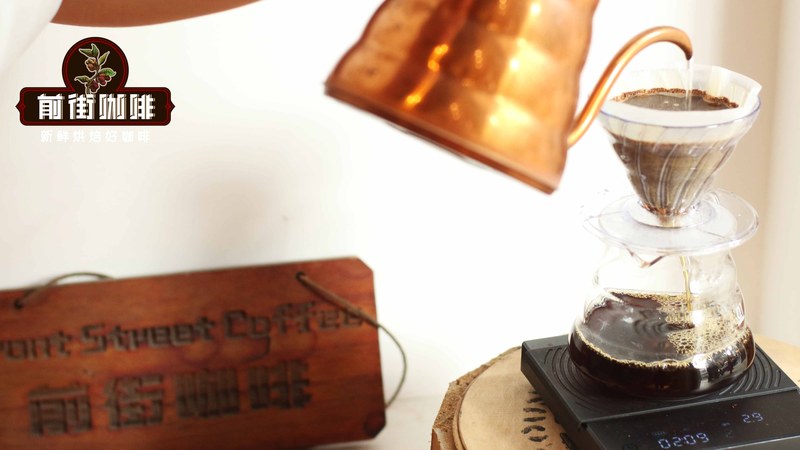
Pour-over plans need to follow the dripper's flow-rate logic. Black Cocoa Blend can use 15 g of grounds, 225 g of water, 88 to 90°C; Brazil Queen Estate can use 15 g of grounds with 230 g of water at about 91°C; Strawberry Candy can be pushed to a 1:16 ratio at 92 to 93°C. All three groups can start from a medium grind, then watch the dripper's drainage speed.
The pouring method should also serve the bean's character. A heavy cocoa profile can be poured slowly in two to three stages, reducing violent agitation and concentrating the mouthfeel; berry-aroma beans can be given a full early-stage stream after blooming, releasing the aroma as quickly as possible; Brazil beans just need an even circling pour. A total time of about 2 minutes to 2 minutes 40 seconds usually makes it easy to compare sweetness and finish.
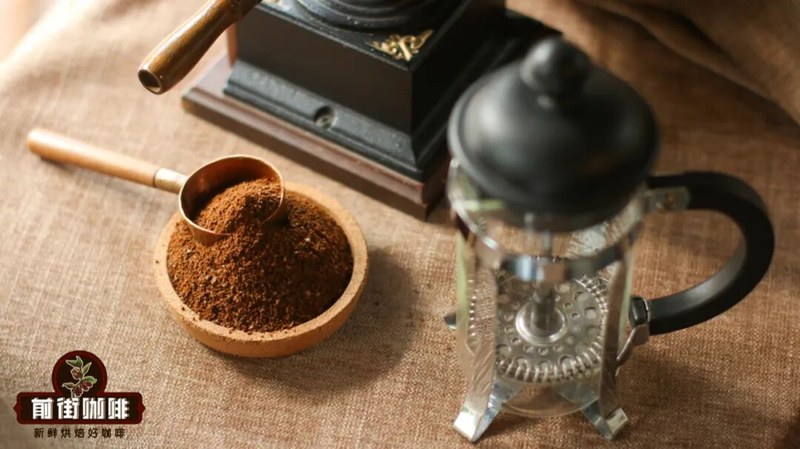
When calibrating a fully automatic machine, you can treat taste as a gauge: if the entry tastes like unripe fruit and the aroma disappears quickly, it often indicates under-extraction, so you can grind slightly finer, raise the temperature or increase the yield a little; if the tongue feels dry and the aftertaste is burnt-bitter, then adjust coarser, lower the temperature or shorten the cup volume. If only the body is thin, first raise the single-cup dose, which is more appropriate than blindly adjusting to a very fine setting.
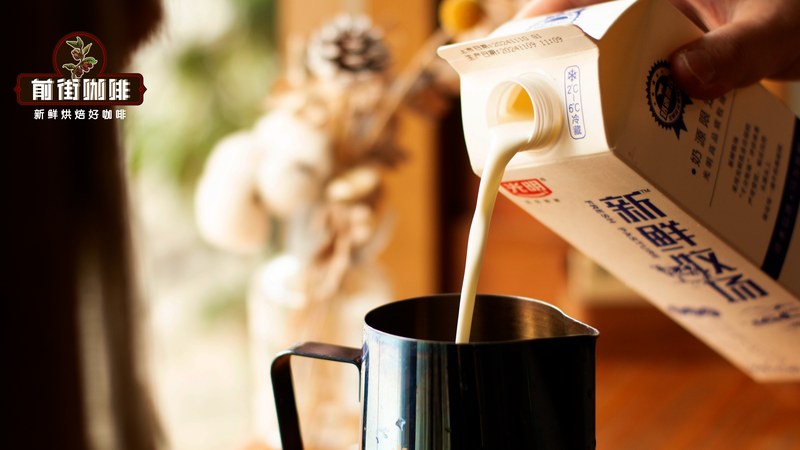
After switching beans, a small amount of the previous bean remains in the bean path, so make two consecutive cups before judging, and the result will be more informative. Grind adjustments should follow the machine instructions, moving the setting in small increments; record temperature and cup volume in the drink menu. Save the Black Cocoa short cup, the Strawberry Candy fruity cup and the Brazil bean balanced cup separately, and the beans and the machine form a clear corresponding relationship.
Related Reading


Comments (0)
Loading comments...
You May Be Interested



Trending Reviews
Popular Videos

With you, wherever you are! We provide useful features to help you find new things you'll love






