Source:Best Coffee > News Author:qjroot Published:2024-08-16 18:36:53
According to local Brazilian media reports, a cold snap has been affecting the south-central region of Brazil since last week. Last week, a large amount of polar air poured in from southern Brazil, and this week, a large extratropical cyclone formed over the South Atlantic, and driven by that cyclone, an even stronger mass of polar air reached Brazil.
At present, winter precipitation has been recorded twice in southern Brazil. First, snow and freezing rain occurred in the southern part of the Santa Catarina plateau. Afterwards, snow and freezing rain were also reported in the city of São José dos Ausentes in Rio Grande do Sul.
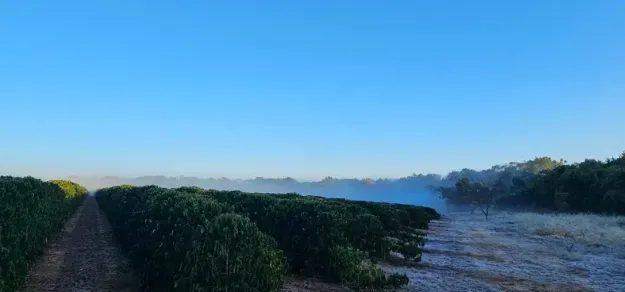
As the cold air moved in, temperatures plunged, and in recent days the minimum temperatures recorded in multiple Brazilian states remained at their lowest levels. In Santa Catarina, the lowest temperature recorded was -6.8°C, and in Rio Grande do Sul the temperature was -5.3°C.
In addition to the south, temperatures also dropped in the central-west and southeast of Brazil, with temperatures in the interior of Mato Grosso do Sul falling to 0.0°C. São Paulo and Rio de Janeiro experienced their coldest August weather in 13 years. According to official data from the National Institute of Meteorology, the minimum temperature in Rio de Janeiro dropped to 8.3°C, which is very cold by the city's climate standards.
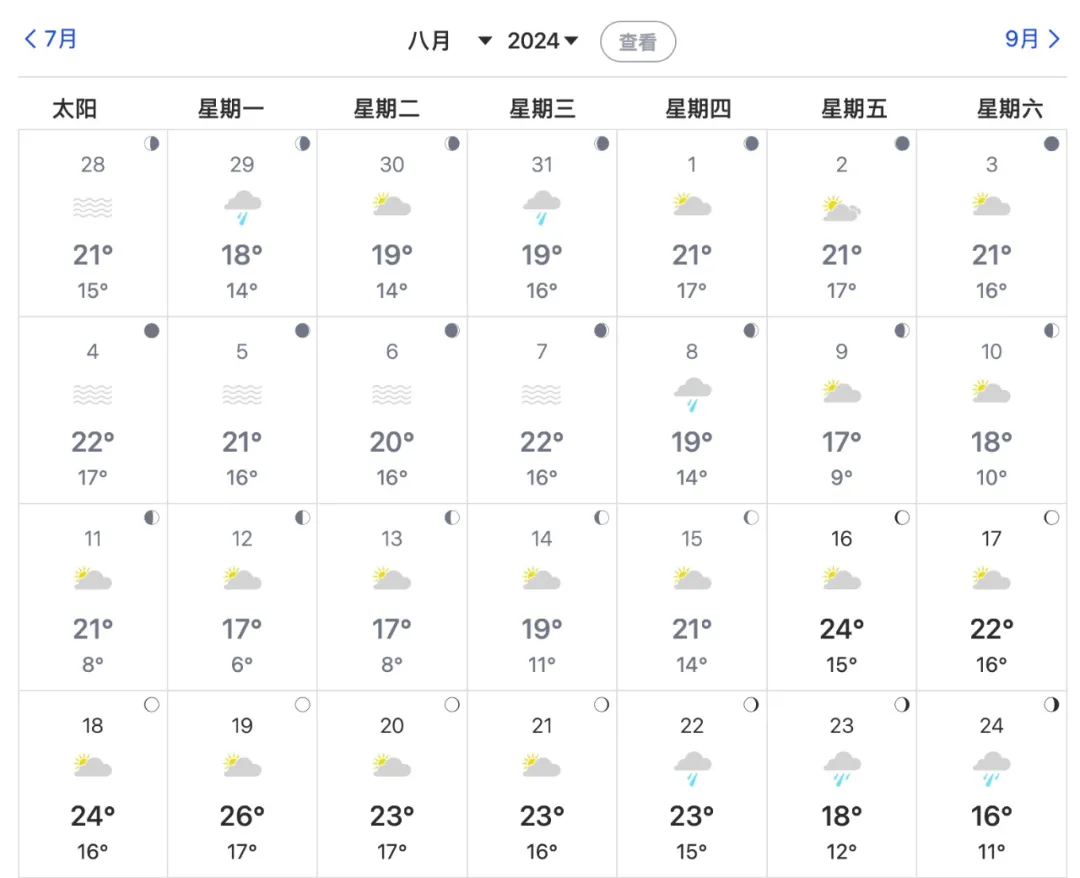
But the most severe was in the mountainous region of southern Minas Gerais, where this cold wave set Brazil's lowest temperature record, with the lowest temperature observed at observation stations reaching -5.8°C, while weather stations recorded even lower temperatures of -6.4°C to -6.9°C.
In addition, the cyclone is also affecting Brazil's main port, the Port of Santos. According to reports, waves have continued to appear recently in the waters from Santa Catarina to Espirito Santo, with wave heights reaching up to 4m. As a result, ships entering and leaving the Port of Santos need to pause due to the severe weather conditions, exacerbating port delays.

Generally, winter in Brazil runs from June to August and will end on August 31, but the meteorological department believes it will last until the spring equinox on September 22, so winter will continue for several more weeks. The meteorological department expects cold weather to persist in the coming weeks, and even more severe cold weather is possible, with a new round of low temperatures in the second half of August, greater impact on southern Brazil, and concerns that the upcoming La Nina phenomenon will worsen Brazil's severe weather.
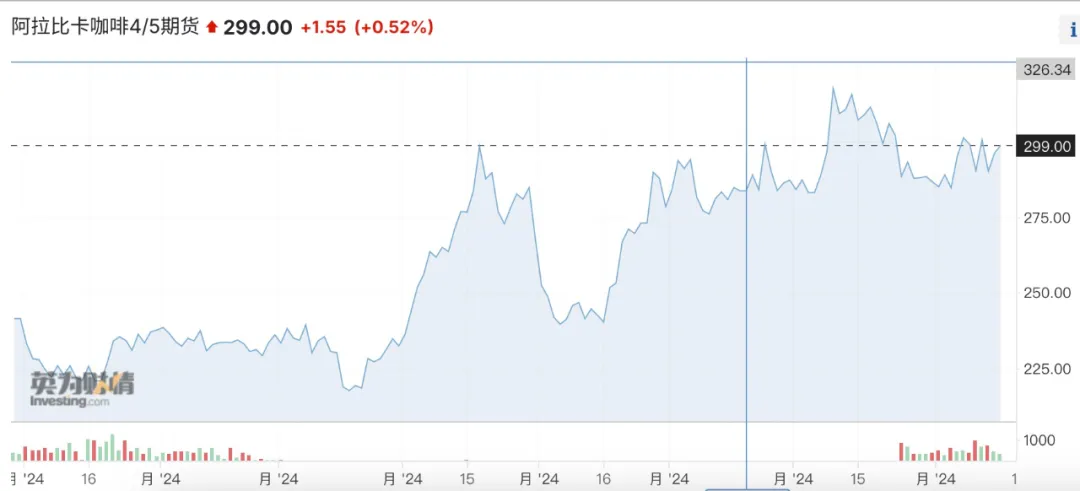
At present, the harvest progress of Brazil's new coffee crop season is nearing its end, but the market still worries that the frost that has appeared will affect this year's coffee harvest, as well as the growth of coffee in the 2025/26 new crop season. Especially for the Arabica variety, the mountainous areas of Minas Gerais affected by low temperatures are mainly Arabica-growing regions, so Arabica and Robusta coffee futures prices have soared in recent days.
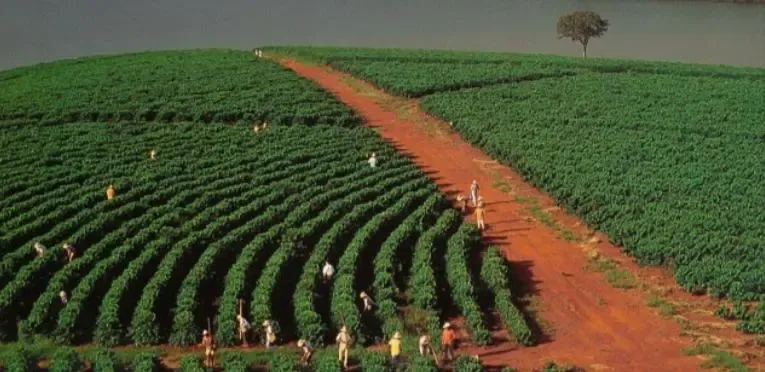
This is because the arrival of frost also brings rainfall, and rain before cold weather may cause coffee trees to flower prematurely, making them susceptible to frost damage. If rainfall is insufficient, drought will likewise hinder the growth and development of coffee plants, ultimately leading to a decline in coffee quality and yield.
Earlier, Brazil experienced the effects of drought and scant rainfall, and during the 2024/25 coffee harvest period there was already a problem of fewer coffee beans, and the final yield decreased accordingly. As a result, multiple Brazilian institutions have revised down their forecasts for Brazil's coffee production in the new season, and combined with the current low-temperature reports, this may cause coffee futures prices to rise by a relatively large margin.
Related Reading




Comments (0)
Loading comments...
With you, wherever you are! We provide useful features to help you find new things you'll love