Source:Best Coffee > News Author:qjroot Published:2025-03-29 10:27:26
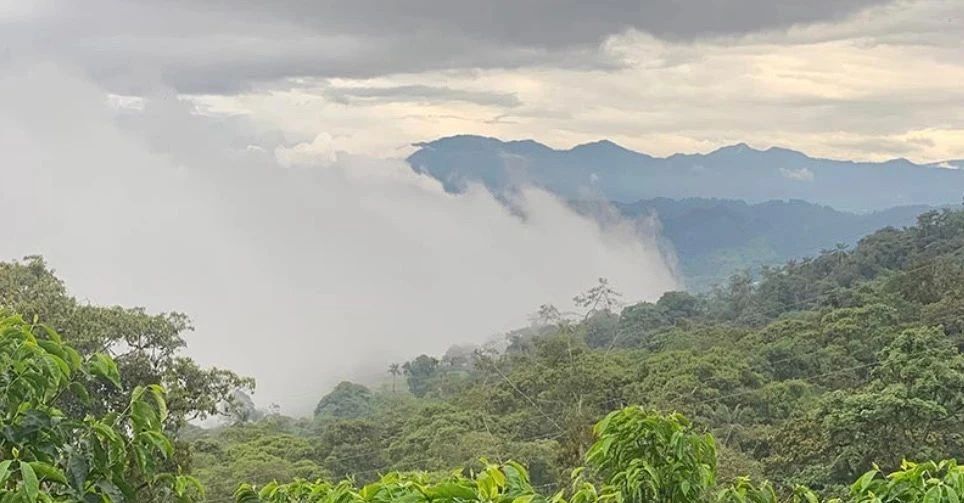
In South America, located between the Tropic of Cancer and the Tropic of Capricorn, many countries grow coffee beans. In addition to the familiar Brazil and Colombia, in recent years, as coffee has become more popular, slightly lesser-known regions like Peru and Ecuador have also started to appear on single-origin menus. Among these, many varieties have gained popularity among enthusiasts for their refined flavor profiles and high cost-performance ratio. Today, Best Coffee introduces the Ecuadorian region, which has frequently appeared in recent years, and discusses the unique flavor characteristics of its coffee.
Ecuador
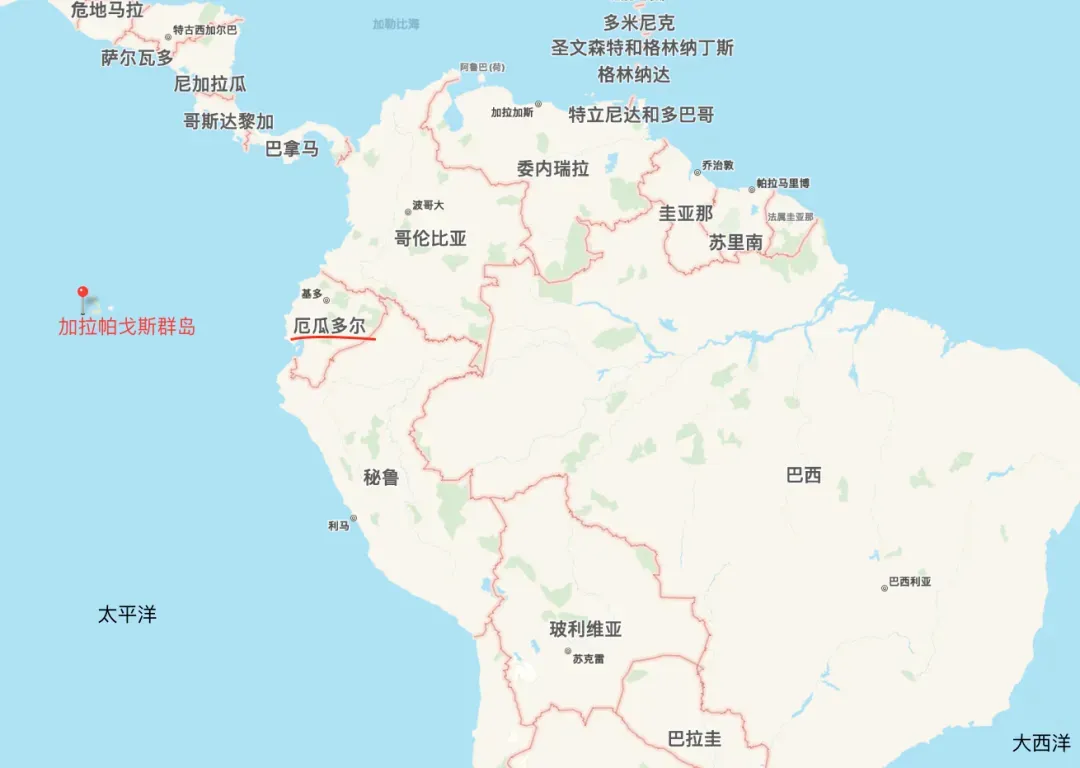
The full name of Ecuador is the Republic of Ecuador (República del Ecuador), located in the northwest of South America. It borders Colombia to the north, Peru to the south, and the Pacific Ocean to the west. The country covers an area of 256,370 square kilometers, including 248,000 square kilometers of mainland and 8,010 square kilometers of islands.
The national flag of Ecuador is rectangular, consisting of three horizontal rectangles: yellow, blue, and red. The yellow section occupies half of the flag, while the red and blue sections each occupy a quarter. Yellow symbolizes the country’s wealth, sunshine, and food; blue represents the sky, the ocean, and the Amazon River; and red stands for the blood of patriots who fought for freedom and justice.
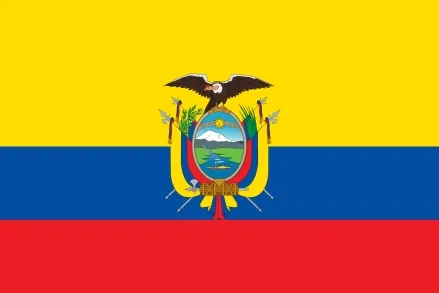
At the center of the flag is Ecuador’s coat of arms. The coat of arms features Chimborazo, the highest peak in Ecuador, with the "May Sun" symbolizing Mayan culture at its summit. Flanking the sun are the zodiac signs for the months of March, April, May, and June, representing the difficult times in 1845 when the Ecuadorian people fought to defend their national independence against foreign invaders. Below, a river flows into the ocean, and the earliest steam-powered ocean-going ship in South America is docked at the estuary. The fasces at the bottom of the coat of arms represent the national institutions of the republic, symbolizing justice and authority. At the very top, the national bird of Ecuador, the Andean condor, stands with its wings spread, symbolizing sovereignty and independence.
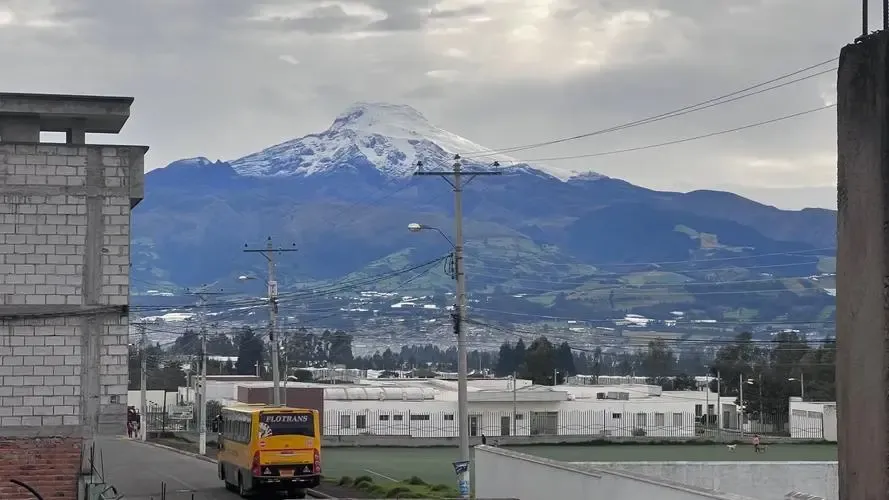
Ecuador is crossed by the equator in the northern part of the country, and the Andes Mountains run from north to south. The entire territory is divided into four parts: the western coastal region, the central mountainous region, the eastern Amazon Basin, and the Galápagos Islands. The country has numerous volcanoes, making it prone to earthquakes.
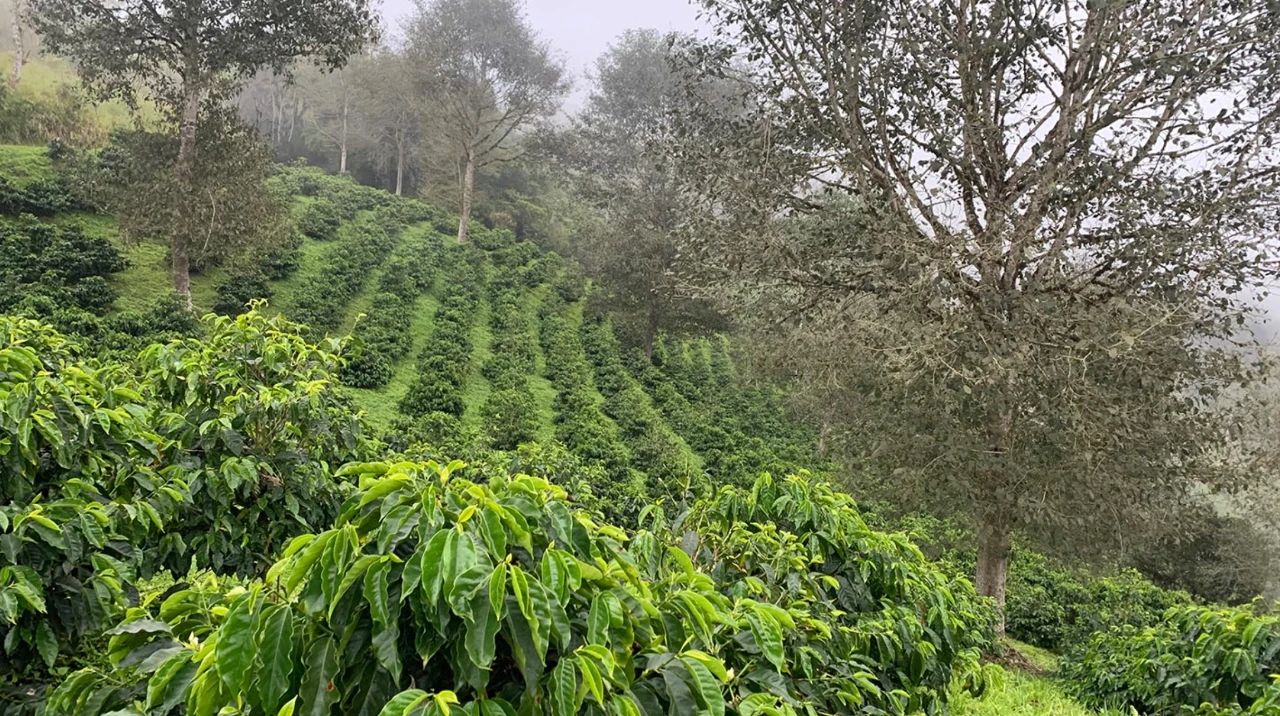
The climate here is diverse, with varying terrains across its four growing regions. The western coastal area has a tropical rainforest climate, with an average temperature of 23–25°C. The basins in the central Andes mountainous region have a tropical savanna climate, while the mountainous areas have a subtropical forest climate. Elevations above 4,000 meters are perpetually snow-covered, with the rainy season from December to June and the dry season from July to November. The eastern Amazon region has a tropical rainforest climate, characterized by year-round humidity and heavy rainfall, with an average annual precipitation of 2,000–3,000 mm. Thanks to Ecuador’s rich climate types, abundant rainfall, volcanic soil, and rivers, the country is an ideal region for coffee cultivation.
Coffee Growing Regions
Ecuador’s Arabica-growing regions are mostly concentrated in the highland volcanic areas, located in the central Andes Mountains. Broadly speaking, they can be divided into two major highland areas: northern and southern. The harvest season runs from March to October each year, and Ecuadorian coffee is known for its balanced acidity, sweetness, and bitterness.
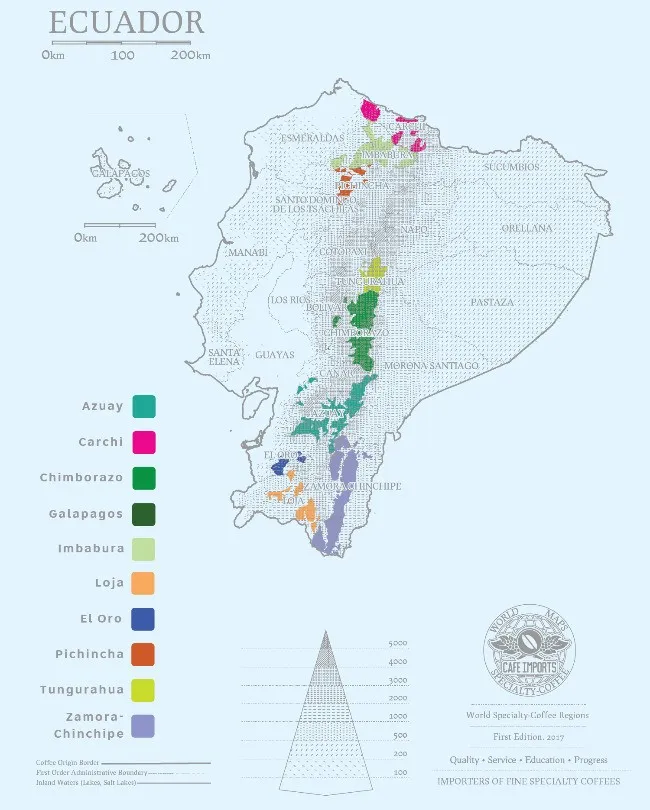
Northern Highland Region: Carchi, Imbabura, and Pichincha provinces.
Southern Highland Region: Loja, Azuay, and Zamora Chinchipe provinces. These areas have higher elevations and produce coffee with moderate acidity and sweetness, along with delicate aromas. Loja Province reaches an elevation of up to 2,100 meters, with the harvest season from June to September. Loja is one of the earliest cities established during the Spanish colonial period in Ecuador, with a history of 500 years. It was also the first city in the country to have hydroelectric and wind power supply. Zamora Chinchipe Province is located east of Loja, with a maximum elevation of 1,900 meters, and its harvest season runs from May to August. Among the notable regions are Pichincha Province and the unique Galápagos Islands.
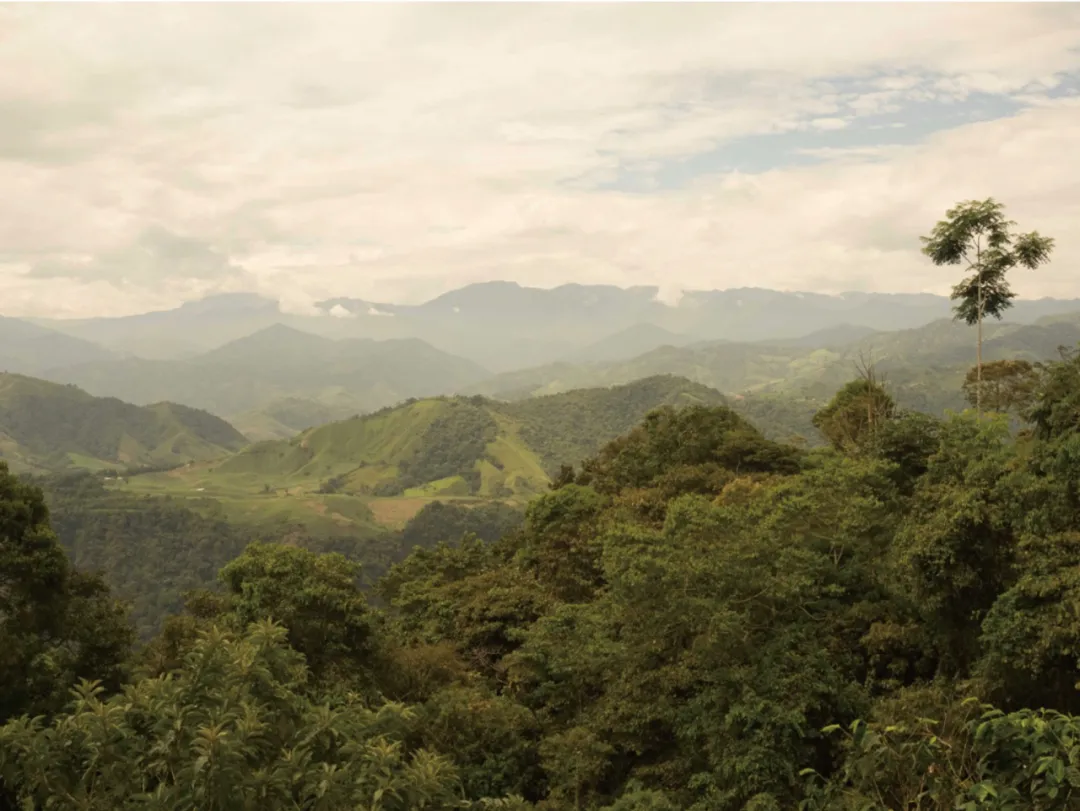
Robusta coffee is mainly grown in the hot, humid lowlands of the western region, including Manabí, Guayas, and El Oro provinces, as well as the rainforest areas on the eastern side of the country, such as Napo and Orellana provinces.
Pichincha Province: Located in the northern highlands, it is named after the Pichincha volcano. With the Abacón River and fertile volcanic soil, it provides an optimal environment for coffee cultivation. The now-famous Sidra variety is said to have originated in Pichincha Province, Ecuador.
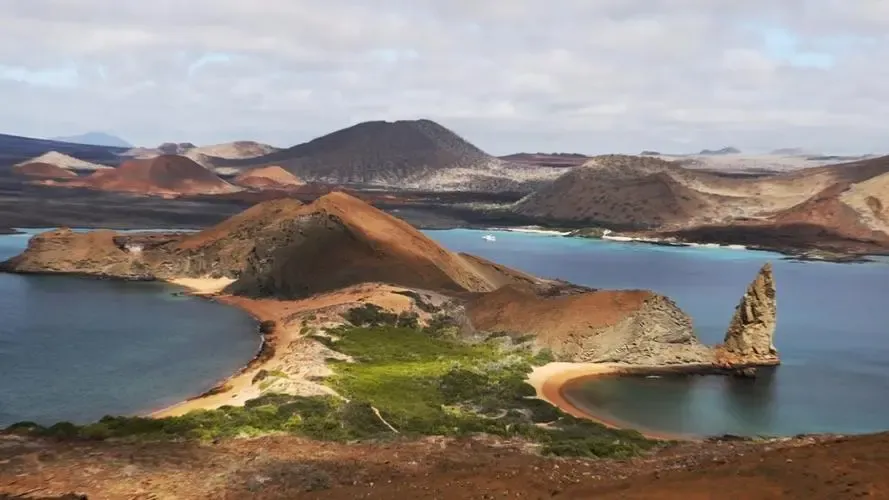
Galápagos Islands: Also known as the Turtle Islands (Spanish: Galápagos translates to turtles), the coffee here is called "Sea Turtle Island Coffee." This volcanic archipelago consists of 21 islands. The coffee is grown at an elevation of only about 200–300 meters, but the microclimate resembles that of high-altitude mountainous regions at 1,200–1,300 meters. The maximum temperature does not exceed 30°C, and there are two harvest seasons per year. No pesticides are used on the islands, and all coffee is organically grown, resulting in scarce production.
Coffee Cultivation History
Coffee was introduced to Ecuador in the 19th century. The first coffee plantations were established in the coastal areas of Manabí Province in the 1860s. As one of the most biodiverse countries on Earth, Ecuador’s unique ecosystem provided an ideal environment for the thriving of this plant, and coffee quickly became one of Ecuador’s main export commodities.
It was not until the late 1920s, when the cocoa industry was threatened by disease, that coffee became Ecuador’s primary commercial crop. Even then, coffee remained largely a secondary focus of the national economy. During the price crisis of the 1990s, coffee production declined significantly. In the early 2000s, Ecuador’s economy was primarily driven by oil, and agriculture played a smaller role compared to many other coffee-producing countries.

As one of only 15 countries that produce both Arabica and Robusta coffee varieties, Ecuador’s coffee industry has taken off again in recent years due to new professional practices and the efforts of local farmers and roasters. The restoration of old plantations and the replacement of old, low-yield trees have begun to revive production. Driven by international demand for high-quality coffee, this growth has primarily affected Arabica coffee plantations and specialty coffee farms. As a lower-yield variety, Arabica coffee has a lower caffeine content and is used for specialty coffee. In contrast, Robusta coffee has high yields and caffeine content and is used only for blended espresso and instant coffee. Although Ecuador’s popular Robusta coffee variety still outpaces Arabica in production, the former’s output has actually begun to decline for the first time.
Varieties and Processing Methods
The country currently grows Arabica varieties such as Bourbon, Typica, Sidra, and Caturra, with Bourbon being the primary variety.
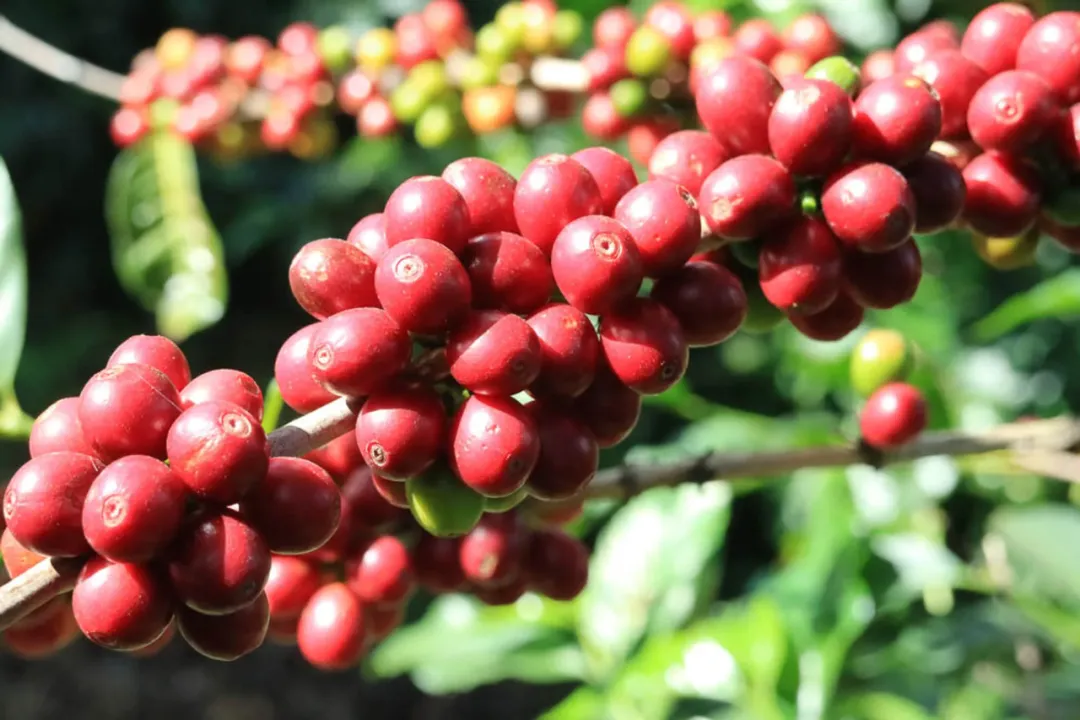
An early variety (pre-coffee history) of Typica transplanted to Yemen, which later developed a rounder bean shape compared to its original slender, pointed form. In 1715, France transplanted these round beans from Mocha, Yemen, to Bourbon Island off the east coast of Africa (later renamed Réunion after the French Revolution), from which the name "Bourbon" originated. The round Bourbon beans were introduced to Brazil and Central and South America around 1727, and in 1732, the British transplanted Mocha from Yemen to Saint Helena Island (later the place where Napoleon was imprisoned), also using the round Bourbon variety. Bourbon has been a consistent high performer in cupping evaluations of specialty coffees in the Americas.
In Ecuador, the primary coffee processing method is washed processing, which produces cleaner-tasting coffee. The process includes: selecting beans — removing the pulp — fermenting — washing — drying — hulling.

First, a large amount of water is added to the coffee cherries to wash away unripe and defective floating fruits and impurities, followed by bean selection. Then, a pulper is used to remove the skin and pulp. Next, the beans are placed in fermentation tanks for 18–36 hours to allow fermentation bacteria to dissolve the mucilage on the surface of the coffee cherries. After being rinsed with clean water, they are dried in the sun for 1–3 weeks and then mechanically dried. Finally, a huller is used to remove the parchment layer, the husk, and the silver skin. The procedure is quite elaborate.
Roasting and Flavor Characteristics
Considering that coffee beans grown at high altitudes in Ecuador have rich fruit acidity, Front Street Coffee (FrontStreet Coffee) recommends medium-light roasting to highlight the sweetness and acidity of the beans from this region. Additionally, most Ecuadorian coffee beans are grown at high altitudes, where the ripening process of the coffee cherries slows down, resulting in higher sugar content. This leads to more complex sweetness in the beans, while also making the beans harder and denser—commonly referred to as hard beans.

Hard beans absorb heat (and react to heat) better than soft beans, allowing for more complete flavor development. On the other hand, due to their higher density and moisture content, hard beans also impede heat transfer. Therefore, Front Street Coffee’s roasters recommend using higher heat intensity and a higher dropping temperature during roasting.
Related Reading


Comments (0)
Loading comments...
You May Be Interested




Trending Reviews
Popular Videos

With you, wherever you are! We provide useful features to help you find new things you'll love






