Source:Best Coffee > News Author:qjroot Published:2024-10-04 09:34:07
According to media reports, another serious security incident occurred in the Horo Guduru area of the Kiremu district in Oromia, Ethiopia, and at least 6 people were killed in this incident.
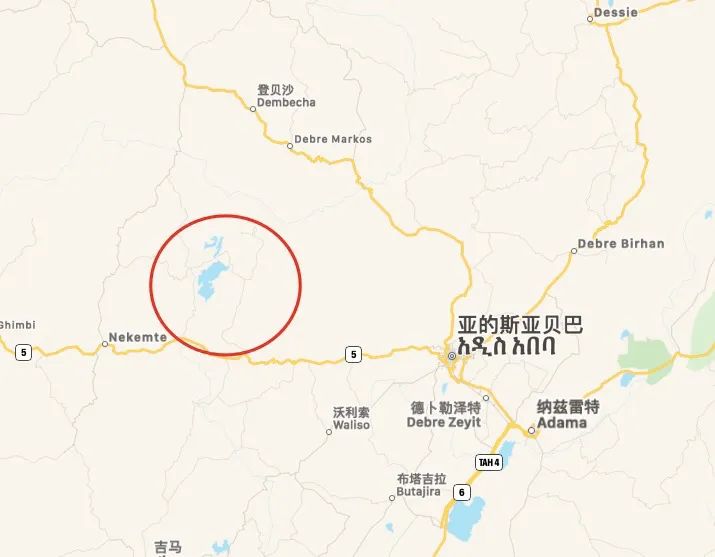
The site of this clash is located about 96 km from Shambu, the seat of the Horo Guduru zone administration. According to local residents, the clash was between the area's militia and the armed group the Oromo Liberation Army (OLA); the two sides exchanged fire for several hours, ultimately leaving at least 6 people dead, with security forces and one OLA armed member among the victims.
It is said that the federal and regional governments have consistently claimed that the security situation in the area has improved and have been repatriating thousands of displaced people who had previously left the area under threat. However, over the past two years, there have been continuous reports in the area that the Oromo Liberation Army (OLA) has been killing and abducting civilians.

According to the reports, earlier in the Mojo area of Oromia, less than 100 km from the capital Addis Ababa and near this area, a religious pastor along with his wife and three children were killed. Moreover, since July, four passenger buses full of travelers heading from the Amhara region to the capital Addis Ababa were abducted near the area.
However, the Oromo Liberation Army armed group and other organizations claim that it was local government officials in the area who took part in the abductions and massacres, and who abducted civilians and demanded ransoms of millions of Ethiopian birr in the name of the Oromo Liberation Army armed group.
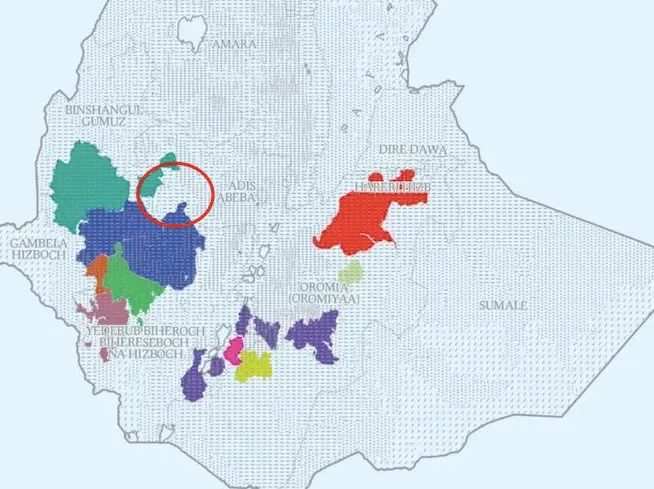
Although the country's government has consistently claimed that the security situation in the western part of Ethiopia's capital Addis Ababa has improved, there are continuous reports of outbreaks of clashes and abductions in the area, along with ongoing casualties. It is understood that the western area is Ethiopia's Lekempti coffee-producing region, which is a major commercial coffee-producing region in Ethiopia known for its output, with an average production of 500,000 bags (60 kg/bag). At present, the area continues to be affected by the conflict, which will have a certain impact on the country's coffee production.
Although earlier the Ethiopian Coffee and Tea Authority released data showing that in August, Ethiopia exported 42,322 tons of coffee, generating a record profit of more than 196 million USD, with coffee export value increasing by 165% and additional revenue increasing by 143%. However, there are reports pointing out that because major coffee-producing countries such as Brazil have all reported reduced production due to weather effects, international coffee prices have soared, and in Ethiopia, because the government's earlier new reform policies caused the Ethiopian currency birr to depreciate wildly, but Ethiopian coffee has not risen sharply in price, international coffee traders can therefore purchase Ethiopian coffee at cheaper prices.
However, at present quite a few traders are worried. According to a report by the British think tank ODI, in December 2022, the EU issued the EU Deforestation Regulation (EUDR), which will take effect for large coffee companies starting on December 30, 2024.
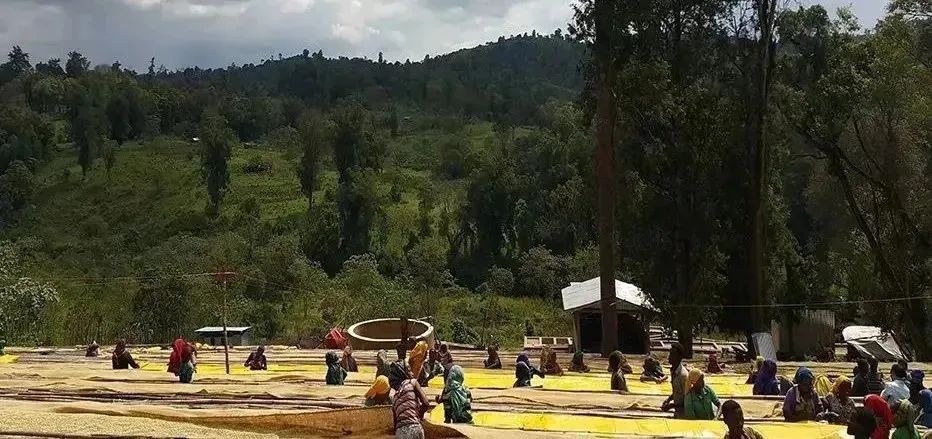
The regulation stipulates that no individual or company may sell products involving deforestation on the EU market, including coffee, cocoa, and so on. This has a major impact on the coffee interests of some less developed countries, especially African countries. It is said that without dedicated support for this project, African countries may face major economic consequences. In Ethiopia, complying with the regulations will increase costs by 10%, and may cause Ethiopia's GDP to decrease by nearly 1%.
At present, Ethiopian coffee is mainly exported to the EU, the United States, Saudi Arabia, Japan and China, among others. The EU is Ethiopia's largest coffee market, accounting for more than 30% of its coffee bean exports. However, most Ethiopian coffee production finds it difficult to meet EU requirements, so export volumes will be seriously affected.
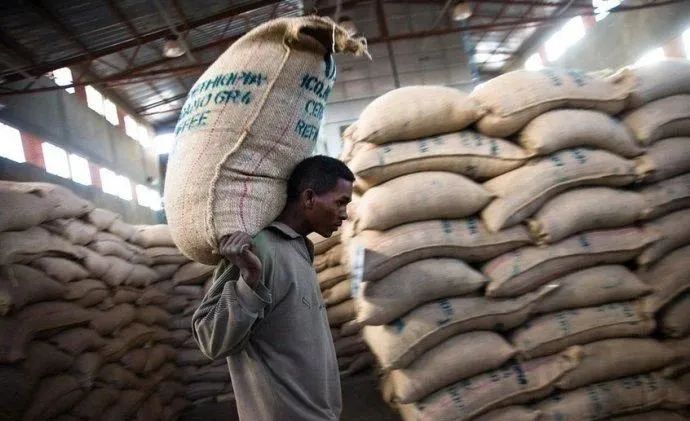
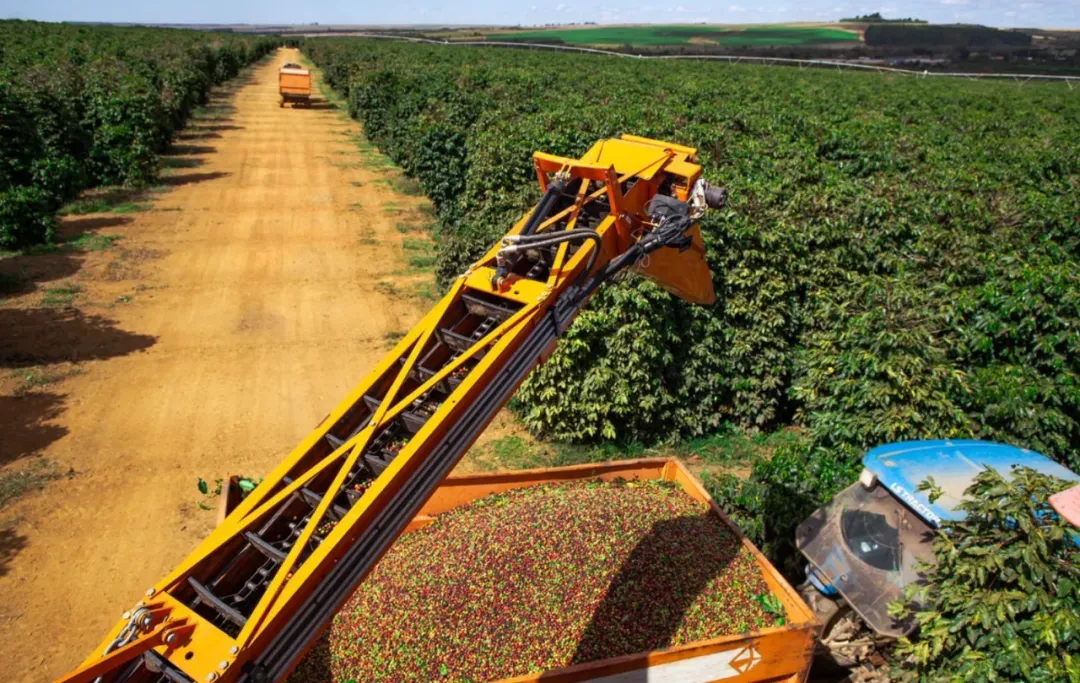
It is reported that some large corporate coffee traders will now abandon African countries and instead buy more coffee from countries such as Brazil, simply because these countries have more tools to prove their coffee is compliant. The market predicts that Ethiopia's coffee export economic losses will be at least 1.4 billion US dollars, which will severely damage the development of Ethiopia's coffee industry, and currently the Ethiopian government has not taken any action on this.
To learn more coffee origin news and information, please scan the QR code to follow: Kaping
Long-press the QR code to follow:

Related Reading








Comments (0)
Loading comments...
You May Be Interested




Trending Reviews
Popular Videos

With you, wherever you are! We provide useful features to help you find new things you'll love






