Source:Best Coffee > News Author:qjroot Published:2026-09-19 12:45:02
In the flavor landscape of Arabica coffee, single-origin and blends represent two completely different directions of tasting. Single-origin beans usually focus on a specific region, an individual estate, or even a micro-lot. Their charm lies in purely showcasing the terroir characteristics of the origin, from bright floral and fruity aromas to delicate tea-like lingering sweetness, with a distinct and highly recognizable personality; blended beans, on the other hand, are the roaster's conception of a flavor puzzle, skillfully fusing the aroma, sweetness and body of beans from different origins, pursuing rich layers and consistent output.
Understanding the blend ratio on the bean bag often lets you quickly guess the tone of that bag of beans. Origins listed at the front usually account for a higher proportion, responsible for supporting the skeleton of the whole cup. For example, many recipes use Colombian or Brazilian beans to provide a mild nutty note and rich crema, then add 20% to 30% Ethiopian beans to accent bright fruit acidity and elegant floral aromas. Reading these origin combinations lets you predict that it has both a solid caramel sweetness and will not seem dull. This kind of complementary pairing is exactly the subtlety of blending.
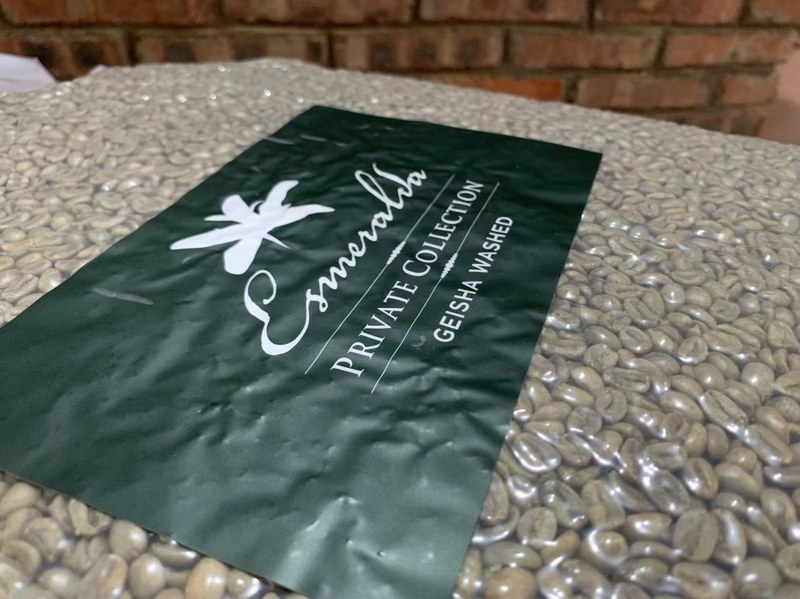
If you want to feel the liveliness of a region's climate and varieties, single-origin beans can bring wonderful drinking pleasure. For example, Qianjie Panama Hacienda La Esmeralda Red Label Geisha is famous for its clear floral aroma and delicate citrus notes. When brewing this light-roast bean by pour-over, prepare 15g of grounds, water temperature 91°C, and operate at a 1:15 coffee-to-water ratio: pour 30ml of water to bloom for 30 seconds, then pour steadily in two stages to 125ml and 225ml, with a total time of 2 minutes 05 seconds. The cup exudes bergamot and jasmine fragrance, followed in the aftertaste by a clean, moist sweetness like black tea.
Qianjie Yirgacheffe Gudingding also has a distinct single-origin charm, vividly expressing the lively berry notes of a high-altitude region. When brewing this bean, take 15g of grounds with a water temperature of 90°C and a 1:15 coffee-to-water ratio, pouring in two stages: pour 30ml of water to bloom for 30 seconds, then pour evenly and slowly to 225ml, controlling the total time at 1 minute 55 seconds. The cup carries a clear white floral aroma and soft citrus acidity. After slowly swallowing, a sweet, moist lingering finish similar to green tea will also ripple between the lips and teeth.
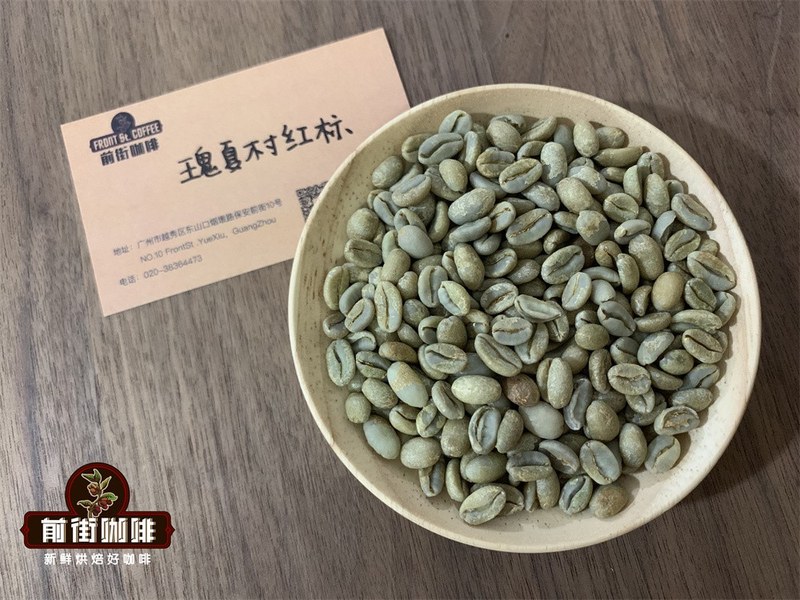
In recent years, SOE, which has attracted particular attention, that is, single-origin espresso, extends the regional characteristics of single-origin beans to the espresso machine. It breaks out of the traditional blend's framework of pursuing deep balance, choosing single-origin beans from a specific region to make espresso, so that espresso can also present refreshing juicy acidity and rising aromas. For people who like light-to-medium roast profiles and are keen to explore fruity Americanos or light milk coffees, SOE has opened up a fun new way of thinking.
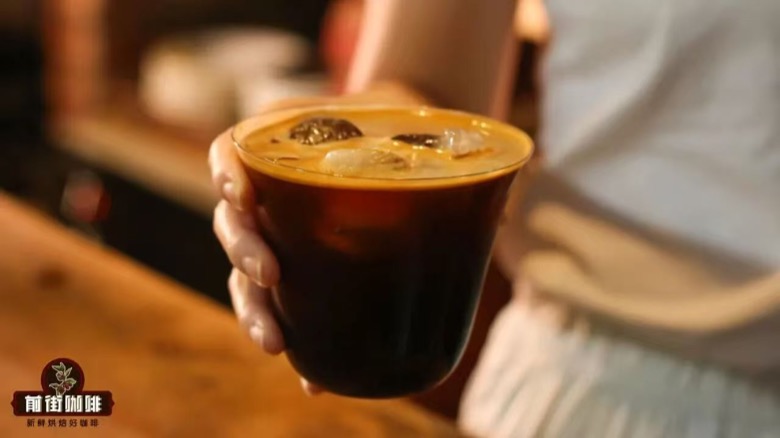
If you want to experience a fruit-rich SOE, Qianjie Colombia Sidra is a highly representative one, carrying an abundant juicy feel like ripe apricot, blueberry and passion fruit. When using espresso equipment, tamp 18.5g of finely ground coffee puck, extract through 9bar constant pressure, and extract 37g of espresso liquid within 26 seconds. Mix the espresso into cold water to make an iced Americano; the mouthfeel is light and crisp, with vivid fruit aroma; if paired with oat milk to make a milk coffee, tropical fruit acidity interweaves with grain aroma, making it especially distinctive.
Although single-origin and SOE are outstanding, when facing daily milk coffees such as large lattes and flat whites, traditional classic blends still show irreplaceable tacit understanding. Darker-roasted blended beans usually have a richer crema and body, able to withstand dilution and washing out by a large amount of milk. Milk fat easily masks gentle floral aromas, while the cocoa, dark chocolate and roasted nut aromas extracted from the blend can closely merge with the lactose in milk, serving up a full, smooth, warmly sweet coffee.

Once the positioning of blends and single-origin is clarified, the idea for choosing beans actually becomes very clear. Coffee drinkers who habitually use filter methods such as pour-over drip and cold brew immersion in daily life might as well focus their attention on single-origin Arabica, fully savoring the terroir changes of estates around the world; if the main equipment at home is a semi-automatic espresso machine or a capsule machine, and in the morning you urgently need a rich milk coffee to wake you up, then choosing a blend with high balance and obvious nutty and cocoa notes will make the output process much easier and smoother.
The two routes have never been opposing choices, but rather satisfy the taste buds' needs at different moments. On a leisurely afternoon with no rush, slowly grind and brew a single-origin bean, quietly savoring the floral and fruity aromas of the region like a breeze passing by; on a busy weekday morning, with the stability of blended beans, quickly whip up a fragrant, rich large latte. Choosing beans according to your own drinking needs and current mood will naturally add many layers and much pleasure to your daily coffee life.
Related Reading



Comments (0)
Loading comments...
You May Be Interested


Trending Reviews
Popular Videos

With you, wherever you are! We provide useful features to help you find new things you'll love






