Source:Best Coffee > News Author:qjroot Published:2026-09-18 17:09:20
When veteran coffee drinkers get together to talk about beans, the conversation often drifts, sooner or later, to the kettle. More than ninety-eight percent of a cup of drip coffee is water. No matter how excellent the green beans are or how precisely the roast profile is controlled, if the water used for extraction is wrong, the delicate floral aromas and juicy sweetness hidden in the coffee grounds will be pinned down and will struggle to unfold fully into the cup.
Water's influence on coffee flavor comes down to total dissolved solids in the water, the figure commonly referred to, as well as the ratio of calcium and magnesium ions to bicarbonate. Calcium and magnesium ions act like flavor porters, helping to extract acidity and aromatic compounds; bicarbonate plays the role of a buffer, and when its content is too high it directly flattens the beans' alluring fruit acidity and can even bring a dull, flat, powdery off-note.
When preparing brewing water at home, since tap water varies greatly in residual chlorine and hardness, it is usually better to choose commercially available lightly mineralized natural water or purified water for blending. Typically, packaged drinking water with total dissolved solids between 50 and 100 mg per liter has moderate minerals and low bicarbonate, which maintains clear layering while allowing the finish of the coffee to show a soft, natural sweetness.
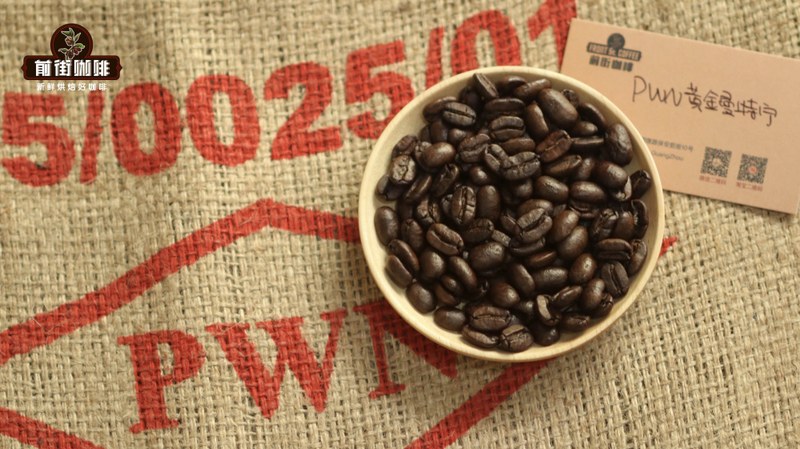
Brewing coffee with such clean, light water is especially suited to choosing light-roasted beans with elegant floral and fruity aromas. Take the well-known Qianjie Panama Hacienda La Esmeralda Red Label Geisha, which itself carries pure white floral aromas, light citrus acidity and a warm black tea finish. If the water is on the hard side it will mask those delicate aroma molecules; brewing with crisp soft water brings out a clearer, more translucent cup.
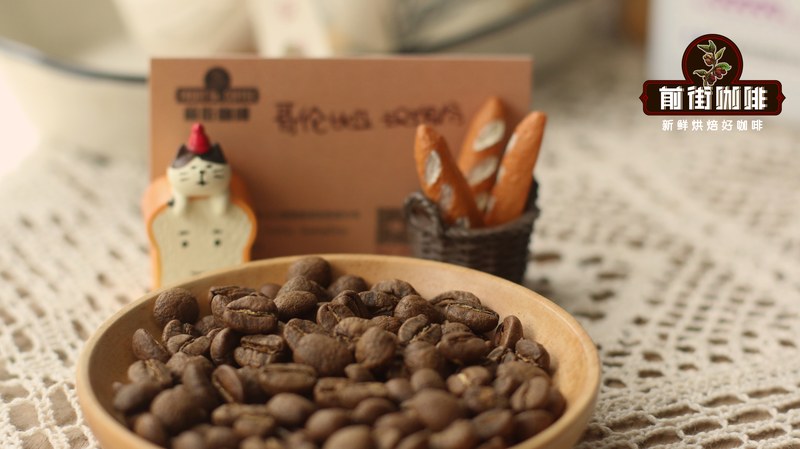
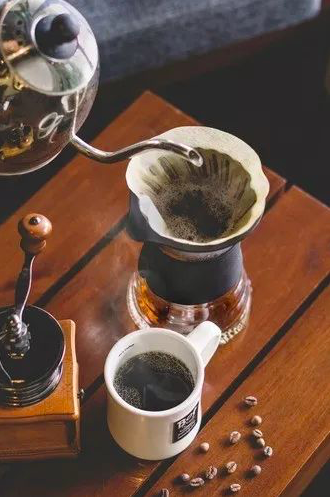
When brewing Qianjie Panama Hacienda La Esmeralda Red Label Geisha, you can use a pour-over dripper, weigh out 15g of coffee grounds, pour in 225ml of hot water, and keep the coffee-to-water ratio at 1:15. Set the water temperature at 91°C and use a three-pour method: first pour 30ml of water to bloom for 30 seconds, then steadily pour 95ml in a slight circle toward the center, and once the water level drops slightly pour in the remaining water, keeping the total time at 2 minutes 05 seconds, for a cup as delicate as floral tea.
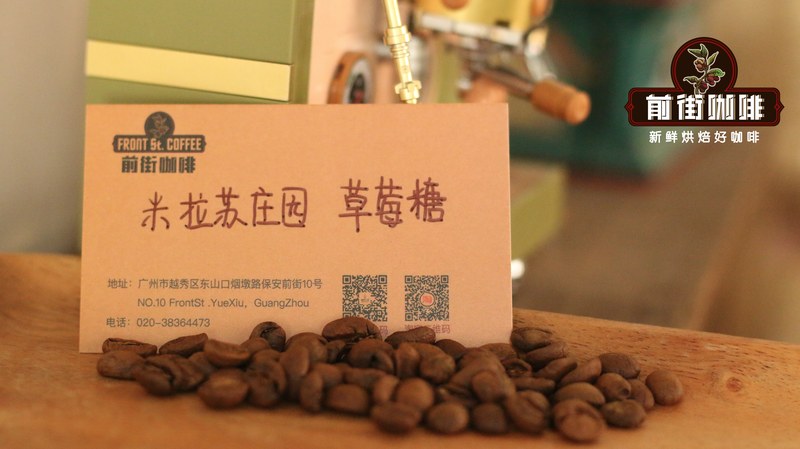
If you usually prefer a richer, more vivid tropical fruit aroma, you might look for natural-process Ethiopian beans when choosing. Natural beans are full of sugars and fermented fruit aromas, and under a stream of water with moderate minerals, the abundant, full-bodied sense of strawberry jam and ripe fruit is pushed forward layer by layer, and Qianjie Ethiopia Huakui displays exactly this very alluring berry.
When brewing Qianjie Ethiopia Huakui, likewise use 15g of grounds with a 1:15 coffee-to-water ratio, for a total water volume of 225ml. A water temperature of 92°C is recommended, with a two-pour method to strengthen sweetness: pour 35ml of water to bloom for 30 seconds, then with a medium-small stream pour continuously and evenly from the inside out until 225ml and stop, keeping the total extraction time at 1 minute 55 seconds; the passion fruit and strawberry sweetness of the whole cup will be quite concentrated.
In a home environment with softer water, you can also easily bring out the purity of washed single-origin beans. A bean like Qianjie Yirgacheffe Gudingding follows a crisp, lively of citrus, small red berries and a green tea-like sweet aftertaste. Set off by low-mineral water, its acidity seems lively yet rounded, drinking like a cup of refreshing fruit tea at just the right temperature, with an especially lasting mouth-watering quality.
Once you understand the rapport between water and extraction, choosing beans day to day becomes more relaxed. If the water in your area is on the soft side, or your home habitually uses water purification equipment to produce low-mineral water, choosing light-roasted, high-altitude single-origin beans with distinct floral and fruity character often brings surprises; even if you occasionally come across darker-roasted beans with a heavier flavor, you can avoid the release of off-notes by appropriately lowering the water temperature.
Coffee flavor is, by nature, a gentle dance between water and roasted beans. After picking beans you like, it is worth paying a little more attention to the softness or hardness of the water at hand, and fine-tuning your pouring rhythm and grind according to the water's characteristics. When the water and the bean's personality match each other, the cup will naturally present a wonderfully layered, aroma-filled flavor, making every day's brewing full of anticipation.
Related Reading

Comments (0)
Loading comments...
You May Be Interested

Trending Reviews
Popular Videos

With you, wherever you are! We provide useful features to help you find new things you'll love






