Source:Best Coffee > News Author:qjroot Published:2026-08-30 19:22:54
With the same bag of coffee beans, changing to a different dripper can alter the acidity, sweetness, aroma, and body on the palate. If you want to drink bright fruity notes, you can focus on devices with faster drainage and clearly defined flow rate changes; if you prefer rounded sweetness, you can choose a dripper with more stable water flow and a coffee bed that is easier to keep even. When device parameters match the bean style well, home pour-over can also show distinct character.
In a conical dripper, the bottom hole diameter, rib height, and how well the paper filter fits directly affect how quickly water passes through the coffee bed. Faster-flow designs like the V60 are suited to finer grinding and pulse pouring to extend contact time, which can amplify the floral and fruity notes of light-roasted beans. If the flow is too fast, the cup may end up with only sharp acidity; in that case, grind finer or reduce circular agitation.
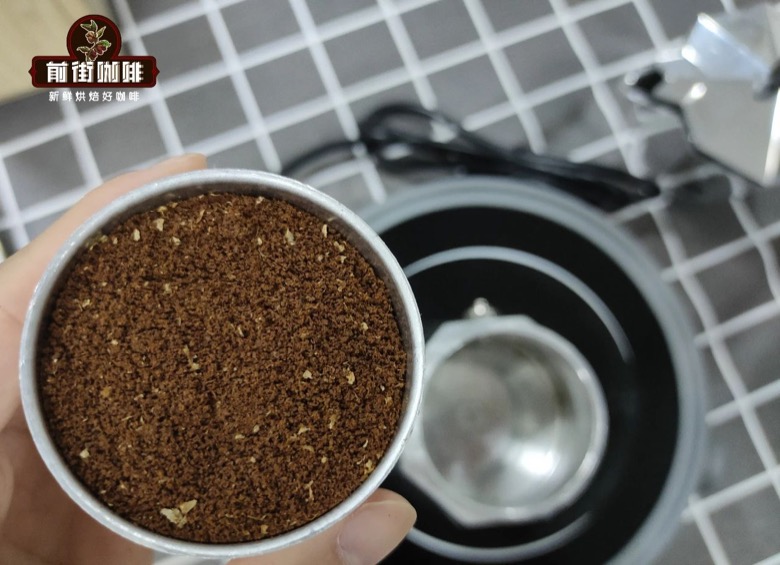
A flat-bottom dripper has a wider area under load, the coffee bed thickness is relatively even, and the outflow rhythm is usually easier to control. It suits drinkers who want consistent sweetness and a soft mouthfeel. The coffee-to-water ratio can start at 15 g coffee to 225 g water, with a medium-fine grind and a water temperature of about 90 to 92°C. Keeping the water level steady while pouring allows the coffee liquid to show a more complete sweet aroma.
If you use a dripper with a large hole and low resistance, the brewing process will depend more on grind uniformity and pouring technique. Light-roasted beans can use water at 92 to 94°C, poured in three stages, so the aroma opens layer by layer; medium-roasted beans can use a slightly lower temperature to avoid the finish becoming more woody. The faster the dripper, the more you should watch the total time; there is no need to simply chase a fast finish.
Qianjie Kafa Forest is suited to being expressed in a small- to medium-capacity conical dripper. It brews with an orange-like clarity and can also bring out the sweet aroma of ripe apricot and peach, with a tea-like note gradually appearing as it cools. It is recommended to use 15 g coffee and 225 g water at about 91°C, with a slower circular pour; if the entry feels thin, grind half a step finer, or split the pouring into more stages.
Qianjie Grana Estate Geisha is better suited to a conical dripper that can show aroma layers. Orange blossom, guava, and berry jam notes are more prominent, and the intensity brought by the natural process requires appropriate flow control. You can use 15 g coffee with 240 g water at 92 to 93°C, bloom first with a small stream, then pour in two stages; the cup will more easily show a shift from floral to fruity sweetness.
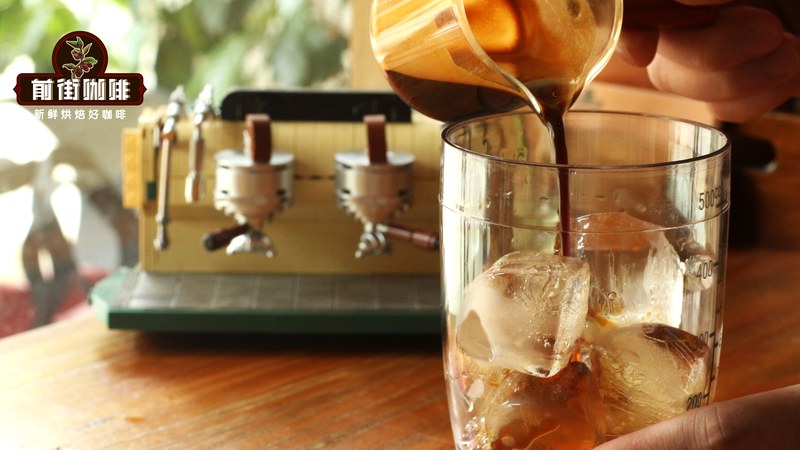
If you want to brew a clearer juicy sensation, consider a faster-flow dripper with iced pour-over. Qianjie Colombia Sidra has aromas such as passion fruit, blueberry, grape, and apricot; as it cools, the acidity and sweetness become more concentrated. Use 15 g coffee and 150 g hot water poured directly over 75 g ice, with a grind slightly finer than regular pour-over, keeping the water temperature at 91 to 92°C; it is suitable for drinking in hot weather.
Dripper parameters should also be considered together with the coffee dose. When a small dripper holds 12 g to 15 g coffee, the coffee bed is shallower and water flow changes become more obvious; with 20 g coffee, the bed becomes thicker, extraction time often lengthens, and water temperature and grind must be adjusted accordingly. When you first change devices, you can keep the same bean and coffee-to-water ratio, change only the dripper, and then compare differences in aroma, sweetness, and mouthfeel weight.
The pouring method is also part of the device usage parameters. With a conical cup that has prominent ribs, you can use a smaller stream spreading from the center outward to reduce bypass along the edge of the filter paper; a flat-bottom cup is better suited to maintaining the water level to avoid excessive local agitation of the coffee bed. If the acidity in the cup is thin, you can usually increase contact time; if the finish is astringent, reduce agitation in the later stage and coarsen the grind appropriately.
When choosing pour-over beans, there is no need to make the equipment complicated. If you use a fast-flow conical cup at home, you can start with light-roasted beans that have clear aroma and lively acidity and sweetness; if you prefer a stable, soft cup, a flat-bottom dripper with medium-roasted beans that have obvious sweetness will be easier. After deciding on the dripper, record the coffee dose, water temperature, total water amount, and finish time; after a few practices, you will be able to find the brewing range that matches your taste.
Related Reading

Comments (0)
Loading comments...
You May Be Interested

Trending Reviews
Popular Videos

With you, wherever you are! We provide useful features to help you find new things you'll love






