Source:Best Coffee > News Author:Best Coffee Published:2019-09-04 15:34:58
According to standards from different associations, coffee extraction is essentially based on a tic-tac-toe framework, with the horizontal axis representing extraction yield and the vertical axis representing concentration. When the extraction yield is low, sweetness and acidity are more pronounced, whereas the opposite results in a stronger bitterness. With a fixed coffee dose, increasing the extraction yield also raises the concentration. Factors affecting extraction yield and concentration, aside from the final water-to-coffee contact time, can be discussed through the five points listed below. Amid the interplay of variables, the middle zone is defined as good coffee, but which point on the chart is the perfect 100-point bullseye varies from person to person. Preferences for acidity, bitterness, strength, and lightness differ due to individual taste sensitivities, so remembering your preferred flavor and adjusting toward that goal to achieve consistent quality is the foundation of great coffee.

Grind Size and Uniformity
To brew good coffee while it’s fresh, most people grind the beans just before brewing. Some prefer the convenience of automatic grinders, while others enjoy the tactile feel of hand grinding. Regardless of the method, grind size is adjustable. The quality of a grinder is judged by its ability to produce uniform particle sizes, not necessarily the finest grind. Particles that are too coarse have a small surface area in contact with water, leading to under-extraction and wasted coffee, resulting in a thin taste and low concentration. Conversely, overly fine particles have a large surface area, which can slow water flow and over-extract flavors, leading to bitterness. If the particles are smaller than the filter’s pores, they may clog and affect the taste.

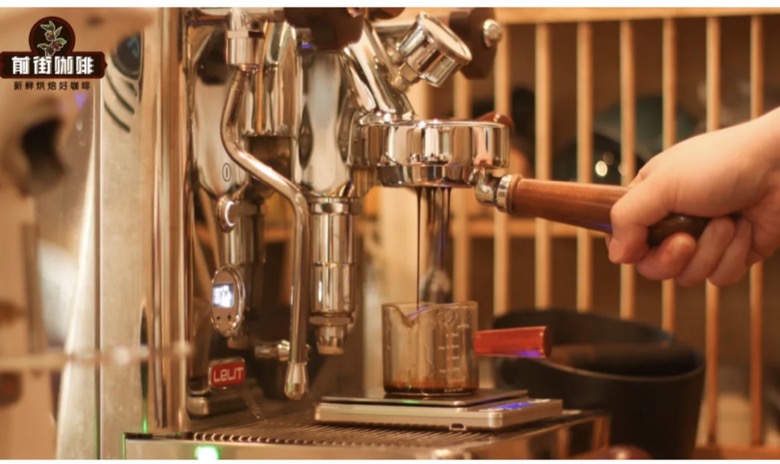
How to adjust grind size varies by brewing method, balancing time to achieve a specific extraction yield. Longer extractions, like with a French press, can use a coarse grind to slow extraction. Shorter methods, like espresso machines, benefit from a fine grind to highlight flavors.
Coffee-to-Water Ratio
It’s a basic assumption that more coffee grounds mean higher concentration, but for coffee, the amount of grounds also affects taste—acidity, sweetness, and bitterness—due to varying extraction levels. A clearer way to put it is: to maintain the same extraction level and control these taste elements, more coffee requires more time to extract, increasing concentration. Less coffee, naturally, results in lower concentration.

The coffee-to-water ratio mentioned in the Golden Cup Theory refers to the amount of coffee grounds relative to the total water used, not the total extracted liquid. Ratios range from 1:10 to 1:20, but 1:12 to 1:15 are more likely to fall within the defined “golden zone”—that is, 1 gram of coffee to 12–15 grams of water. During extraction, water-soluble compounds dissolve into the water. If 1 gram of solubles is extracted from 10 grams of coffee, the extraction yield is 10%. An ideal extraction yield of 18–22%, with dissolved solids making up 1.15–1.45% of the coffee liquid, ensures balanced concentration. When brew time is fixed, a higher ratio leans toward richness and balanced acidity/bitterness, while a lower ratio, due to higher extraction, tends to be bitter and thin. It’s clear that concentration and taste influence each other, so adjustments should also consider time, grind size, and other factors. Each element works together, allowing you to find another dimension of balance within the linear relationship of concentration and flavor.
For example, if the extraction yields a preferred balance of acidity, sweetness, and bitterness but the concentration is too low, simply increasing the coffee dose may raise concentration but also reduce extraction. In this case, extending brew time might better meet the desired outcome.
Temperature and Coffee Beans
The market offers a wide variety of beans from different origins and roast levels, with each shop having its own naming conventions. However, there are basic classifications: light roast, light-medium, medium, medium-dark, and dark roast. Simply put, light roasts are more acidic but offer more fruity and floral aromas that enhance taste. Dark roasts are more bitter, heavier, and carry caramel or cocoa notes. Beyond names, shops often provide simple labels and descriptions to help buyers imagine the flavor.

Temperature control primarily aims for consistency. For pour-over, the recommended water temperature is around 90°C. Light roasts benefit from slightly higher temperatures to boost extraction, while dark roasts can be brewed at a lower range of 80–90°C to avoid over-extraction and excessive bitterness. Temperature regulates extraction speed, allowing flavors to develop optimally.
Brewing Methods
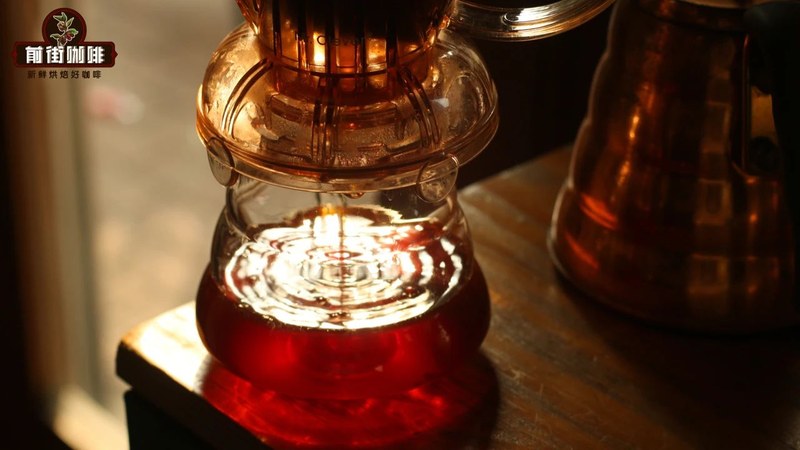
Extracting coffee aromas and flavors can be achieved through various methods, using temperature, pressure, or time to varying effects. These approaches have led to different brewing designs, with preferences varying by region or personal taste. Common options include the Moka pot in Italy, the unique heating method for Turkish coffee, as well as siphon brewers and French presses. The most widely seen and beginner-friendly method is pour-over, involving tools like kettles, drippers, and servers. Different schools of thought and techniques exist on how to control water flow and create agitation. The flexibility and sense of control make it a popular topic for discussion, learning, and challenge among coffee enthusiasts.
Water
The final element is water, which makes up nearly 100% of the final coffee product. Even indirect products like cultivation and processing emphasize water quality, and coffee is no exception. Different origins and filtration levels deeply influence what seems like a transparent, pure base. Less is more—the simpler and more capable of highlighting flavors, the better. Some advocate for reverse osmosis (RO) water, distilled water, or spring water. The hardness of water and its mineral content are also key concerns for coffee researchers. Water that’s suitable for drinking and contains trace minerals also enhances the drink, complementing and highlighting coffee flavors.

Related Reading



Comments (0)
Loading comments...
You May Be Interested



Trending Reviews
Popular Videos

With you, wherever you are! We provide useful features to help you find new things you'll love






