Source:Best Coffee > News Author:qjroot Published:2024-09-20 18:56:24
According to the U.S. Federal Reserve (Fed), on September 18 it announced its first rate cut in more than four years, lowering the target range for the federal funds rate by 50 basis points to a level between 4.75% and 5.00%. It is reported that this is the Fed's first rate cut since March 2020, marking a shift in the United States from a monetary policy tightening cycle to an easing cycle.

The Fed usually only takes rate-cut action when problems emerge in the economy, attempting to stimulate economic recovery through more accommodative monetary policy. Therefore, the market is currently broadly optimistic that this move will boost global economic recovery, thereby driving liquidity across various asset classes. It will have a positive impact on investors and may draw more capital inflows into multiple industries including food, beverages and agriculture.
In addition, a rate cut usually leads to a decline in global capital costs, which may reduce financing costs for businesses and individuals, including loan and investment costs. For the coffee industry, it means some coffee growers or some processing enterprises can obtain funds at lower cost and improve profitability.
Second, a rate cut will lead to a depreciation of the U.S. dollar, which is good news for some coffee-exporting countries. Coffee is mainly traded in U.S. dollars, and when the dollar depreciates, some buyers or traders using other currencies can pay less when purchasing coffee beans, thereby increasing demand for coffee and benefiting exports. For some major importing countries, a rate cut may lower the cost of imported coffee and stimulate demand in the coffee market.
At the same time as the Fed announced the rate cut, the Monetary Policy Committee of the Central Bank of Brazil (Copom) announced on the same day that it would raise its benchmark interest rate by 0.25 percentage points, from 10.5% to 10.75%, which is also the first rate hike since Lula took office as president in 2023. Although the Brazilian economy faces a relatively high inflation rate, the central bank's decision aims to stabilize the exchange rate and attract foreign investment.

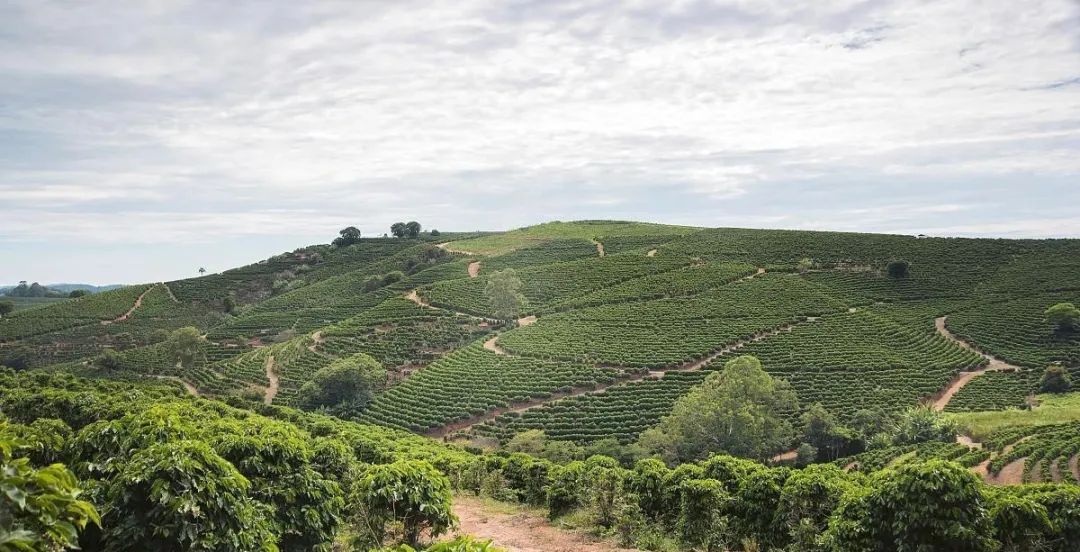
However, Brazil's interest rate hike will increase loan costs, and for coffee farmers and businesses that rely on loans for coffee growing, processing and exporting, it may increase the financial burden. In addition, as Brazil has been in a severe drought recently, with the drought affecting 60% of Brazil's land area and multiple coffee-producing regions under threat of fire, Brazil's new coffee crop is already facing the risk of declining production.
According to data released by the Brazilian Institute of Geography and Statistics (IBGE), Brazil's coffee production in 2024 is estimated at 59.7 million bags (60 kg/bag), down 1.6% from the previous forecast, because the drought caused the coffee beans to be smaller and reduced production; however, due to an increase in coffee planting area, the downward revision was relatively small.
While production is declining, the interest rate hike will increase production costs, which may push coffee prices further up. However, in recent times, because the EU Deforestation Regulation (EUDR) will be enforced at the end of this year, EU coffee traders are increasing their purchases in order to have sufficient inventory before the EUDR takes effect.
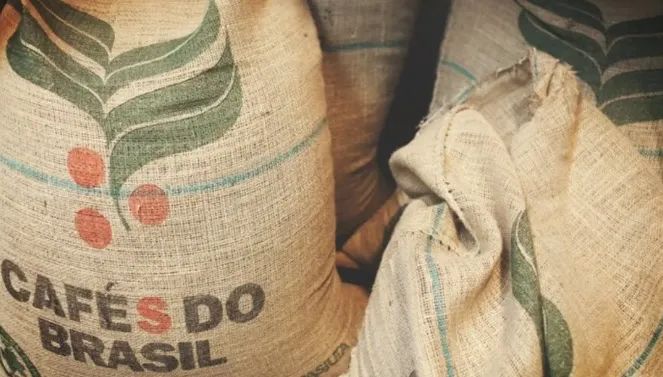
Therefore, in recent months Brazil's coffee exports have been quite impressive. According to the latest data from the Brazilian Coffee Exporters Council (Cecafe), in August Brazil exported a total of 3.733 million bags of coffee (60 kg/bag), with export revenue reaching USD 955.6 million, the best performance on record for August. Cumulatively from January to August 2024, Brazil exported a total of 31.892 million bags of coffee, up 39.2% compared with the same period last year. Moreover, the United States remains Brazil's largest coffee market; from January to August, Brazil's cumulative coffee exports to the United States reached 5.066 million bags, up 30.1% year on year, so there will not be major price fluctuations in the short term.
Overall, interest rate cuts have an impact on several coffee-producing countries, which will benefit from lower bank borrowing costs and exchange rate fluctuations, easing cost pressure. However, due to current shipping delays, container shortages, reduced production in many countries affected by climate, and the EU's upcoming zero-deforestation policy, coffee prices will remain high at least until the end of 2024.
To learn more about coffee origins and news, please scan the QR code to follow: Kaping
Long-press the QR code to follow:

Related Reading





Comments (0)
Loading comments...
You May Be Interested


Trending Reviews
Popular Videos

With you, wherever you are! We provide useful features to help you find new things you'll love






