Source:Best Coffee > News Author:qjroot Published:2026-09-19 12:47:04
When you have an espresso machine at home, choosing beans often comes down to two clear paths: one is blended beans that emphasize balance and stability, and the other is single-origin beans that highlight regional characteristics, commonly known as SOE. Neither is superior to the other; their starting points for flavor design are completely different. Blends pursue the complementary fusion of different flavors, while single origins strive to fully express the terroir characteristics of a specific origin.
The design approach for blended beans is much like mixing a classic drink. Roasters usually select beans from two to three origins to combine. A common pairing uses beans with nutty, cocoa notes and rich crema as the base, then adds beans with moderate, soft acidity and sweetness to brighten the layers. Different bean types fill in each other's gaps, which can both reduce flavor fluctuations between batches and deliver more stable performance.
Understanding the proportions in a blend formula is actually not difficult. The bean with the largest proportion in the formula usually forms the skeleton and body of the entire cup, determining the main impression on the palate; the bean with a slightly smaller proportion is mainly responsible for refining the finish aroma or adding a clean sweetness. Understanding this primary-and-secondary pairing allows you to roughly infer from the formula whether the bag of beans leans toward rich roasted aromas or toward clean, sweet smoothness.
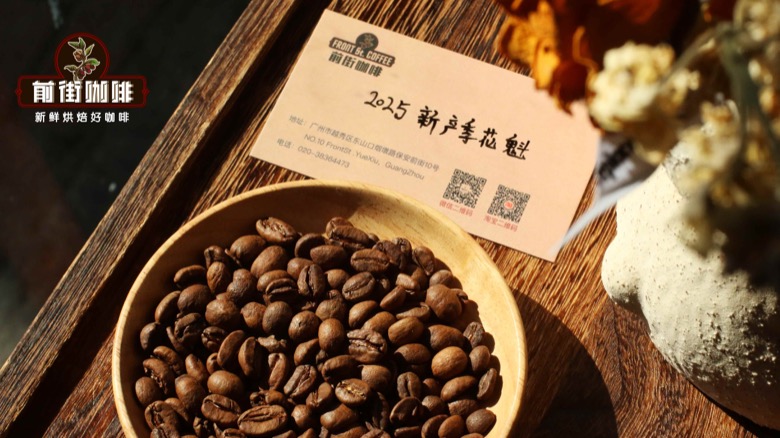
If you habitually drink large lattes or hot americanos, the traditional blend route will seem especially suitable. Qianjie Classic Blend is a very representative one. It is dominated by nutty, dark chocolate and caramel sweetness, with abundant crema and a solid overall mouthfeel. When this style blends with milk, it can support a rich, full aroma, and when making a hot americano it also has a smooth, comfortable, mellow mouthfeel.
When using an espresso machine to extract Qianjie Classic Blend, you can set the extraction water temperature to 93°C, grind 18g of coffee grounds, extract at constant pressure for 26 seconds, and yield 36g of espresso. Pour the resulting espresso into 180ml of warmed whole milk, and the caramel and cocoa notes will quickly merge with the milk fat. The whole milk coffee drinks warm, mellow and harmonious, with sweetness expressed just right.
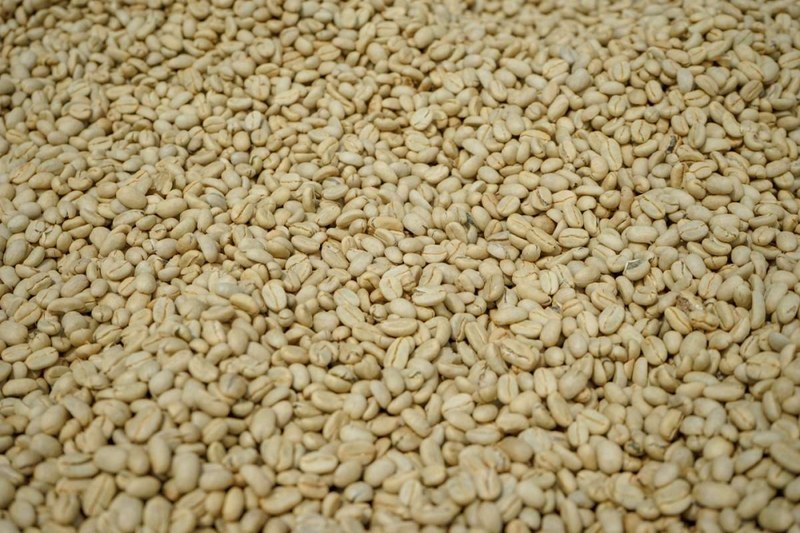
Unlike the stability of blends, single-origin beans follow a personalized route. Single-origin beans made into SOE are not mixed with beans from other origins, fully preserving the delicate flavors brought by a specific estate, specific climate and processing method. From gentle floral notes to bright citrus notes, single-origin espresso allows the palate to capture the terroir imprint of the origin itself, and usually drinks with a clear, lively layering.
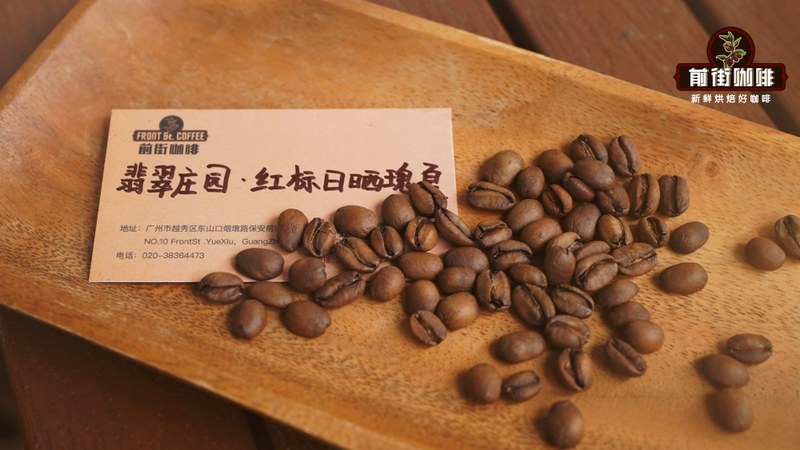
If you want to experience regional character while hoping for a mild taste, you can choose Qianjie Brazil Queen Estate for single-origin beans. This bean has roasted nuts, roasted cocoa and delicate caramel sweetness, with fruit acidity that is soft and not sharp. Using it as your single-origin daily bean on the espresso machine, it makes an americano with a smooth texture, and after the nutty aroma fades you can still taste a faint caramel sweet finish. The overall balance is excellent.
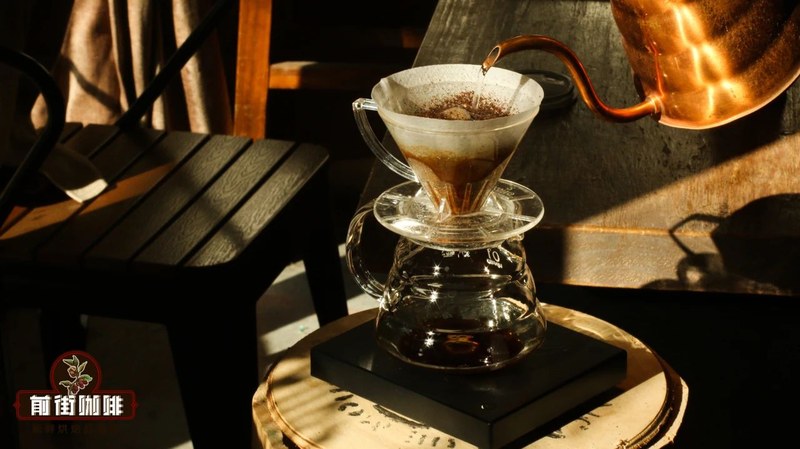
One of the great pleasures of single-origin beans is that they can adapt to different brewing devices, allowing you to experience regional details in every way. Besides espresso, it also performs excellently as pour-over. For pour-over brewing, set the water temperature to 90°C, weigh 15g of grounds, pour 225ml of water at a 1:15 coffee-to-water ratio, first pour 30ml of water and bloom for 30 seconds, then use a three-stage pour to add the remaining water, with the total time controlled at 2 minutes 00 seconds, and the regional aroma will be more expansive.
When actually choosing, drinking habits often determine which route is more suitable. If your mornings are short on time and you need to quickly make a rich, solid large milk coffee for a boost, structurally stable blended beans are clearly more convenient; if you like drinking pure espresso black coffee and are keen on exploring floral and fruity aromas and refreshing fruit acidity in the cup, single-origin beans will bring more fresh interest.
Once you understand the complementarity of blends and the regional characteristics of single origins, choosing beans becomes clear and intuitive. When preparing beans beside your coffee machine day to day, you can absolutely choose flexibly according to your current rhythm and taste preferences. Read the flavor direction of the formula, find the one that fits your daily pace, and the process of making coffee every day will become easy and relaxed.
Related Reading


Comments (0)
Loading comments...
You May Be Interested



Trending Reviews
Popular Videos

With you, wherever you are! We provide useful features to help you find new things you'll love






