Source:Best Coffee > News Author:qjroot Published:2024-11-13 18:52:23
Recently, according to a report issued by the Brazil Coffee Exporters Council (Cecafe), although logistics problems have persisted, leaving about 2.1 million bags (60 kg/bag) of coffee bean products unable to be shipped for export in Brazil by the end of September, Brazil's coffee exports in October still set a record for the highest single month.
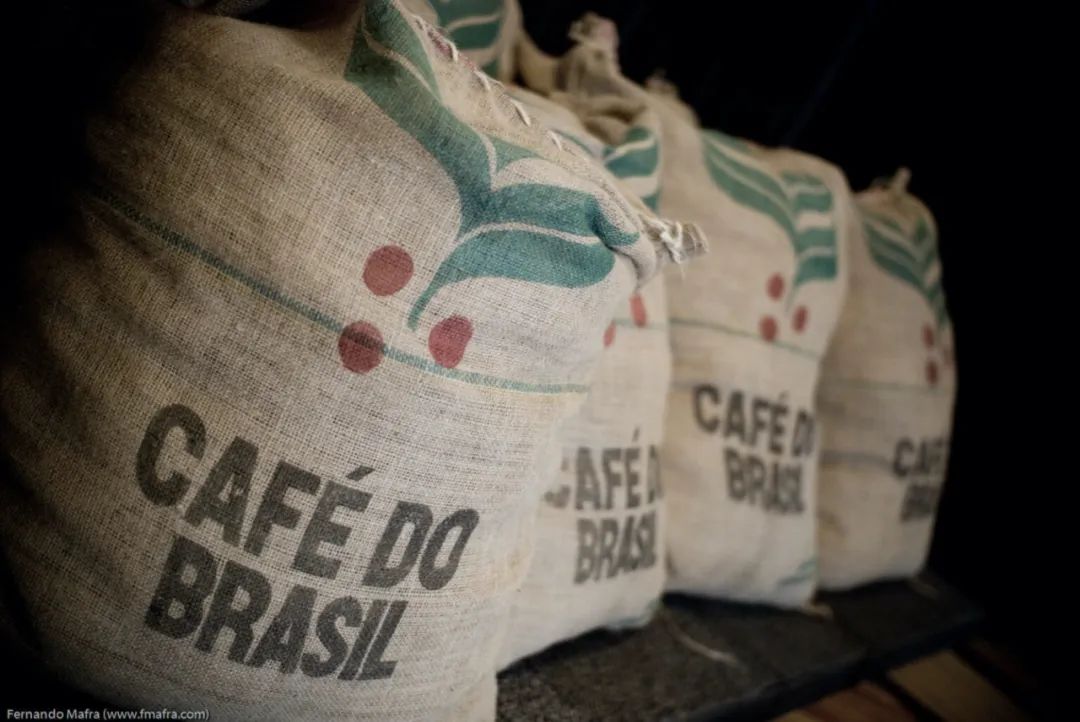
In October, Brazil exported a total of 4.926 million bags of coffee beans, an increase of 11.6% compared with the same period in 2023. It also broke the previous monthly record of 4.77 million bags set in November 2020, rising 3.27% above that record.
Moreover, the total value of Brazil's coffee exports in October reached USD 1.393 billion, with an export price of about USD 282.8 per bag of coffee beans, an increase of 62.6% year on year. Among Brazil's main export destinations, Germany became the leading destination country for Brazilian coffee beans from January to October this year, importing a total of 6.64 million bags of Brazilian coffee beans, accounting for 23.9% of total exports, an increase of 77% compared with the first 10 months of last year.
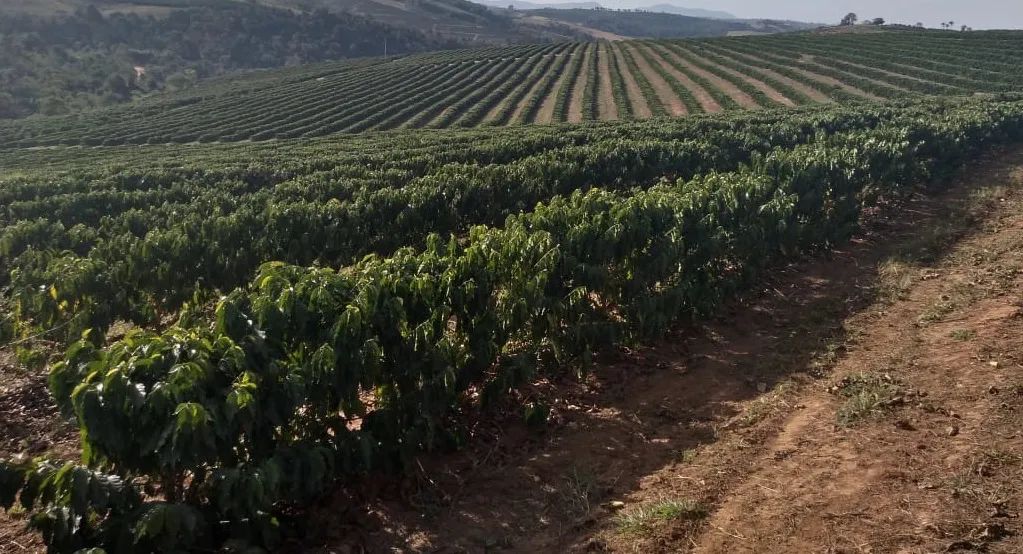
According to the president of the Brazil Coffee Exporters Council, the strong export performance in October will be very beneficial to Brazil's coffee export trade, and the logistics team has worked hard to find alternative solutions for coffee shipments, such as recently beginning to use dry bulk vessels for export shipments, in order to fulfill delivery commitments to customers in various countries.
Although the export problems have eased somewhat, a large number of bagged coffee products are still stranded in ports awaiting shipment, and because the rates of vessel arrival and berthing delays remain high, exporters still face enormous logistics challenges in exporting coffee products.
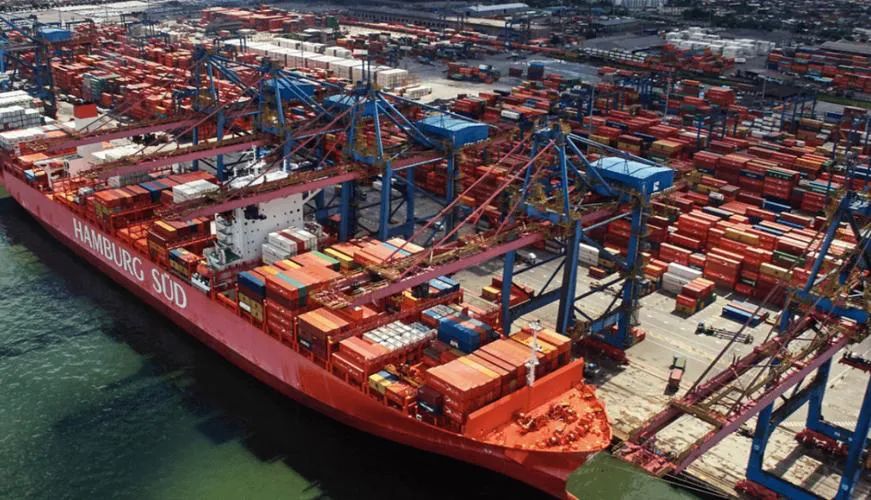
In addition to coffee products, the export volumes of products such as sugar and cotton from Brazil have also risen sharply in recent times. These products place a huge demand on containers, and the port lacks sufficient infrastructure to handle products shipped in containers. Moreover, recent changes in the Brazilian federal government's policies have led to strikes by port workers and tax auditors, resulting in ship delays and a persistently high rate of skipped sailings, which has affected port gate management and terminal yard capacity.
Although coffee export volumes continue to grow, the coffee industry is still affected by multiple factors. Besides the port delay issue, the biggest current impacts are climate and exchange rate issues. On the climate side, Brazil earlier suffered its most severe drought since 1981, and the drought triggered large-scale forest fires. According to reports, about 2238 hectares of forest land in Brazil were affected, including coffee and sugarcane plantations. This ultimately reduced coffee production in the new crop season and also damaged the planting conditions and production potential of the 2025/26 new crop season.
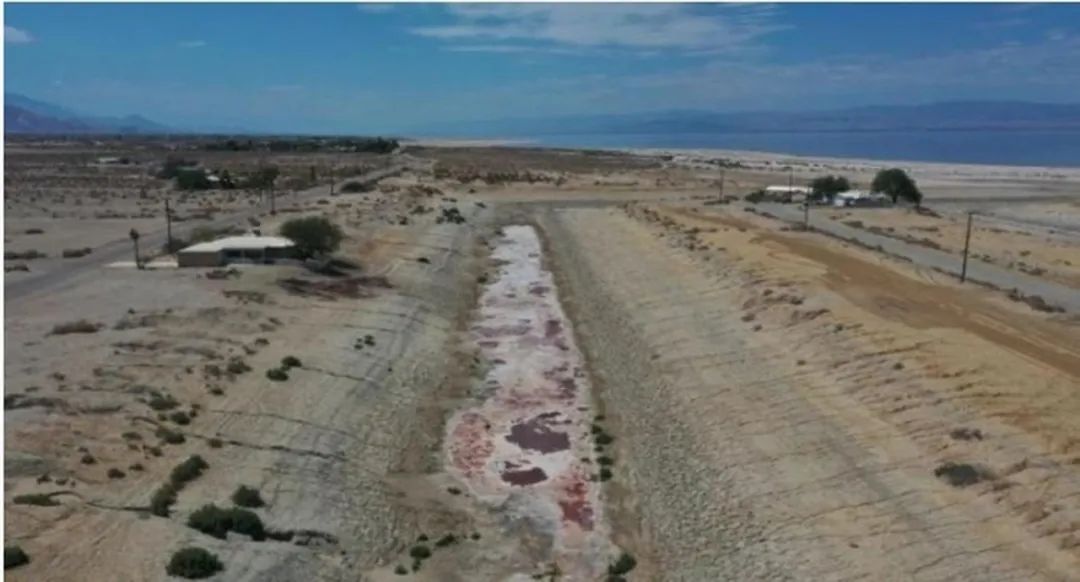
Although Brazil has recently begun to see rainfall return, the rain is mainly concentrated in the southern Brazilian states of Sao Paulo, Parana and Santa Catarina. The largest coffee-growing region, Minas Gerais, has also had rain, but the rainfall is on the low side and still below the historical average. Many experts believe the current rain can help severely water-depleted soil recover moisture and reduce pressure on coffee tree roots, but it cannot make up for the damage caused by the earlier drought and fires to some coffee trees. Therefore, coffee production in some of the more severely affected areas may decline by 20%-30%, while Brazil's total coffee production may fall by more than 6.8%.
In addition, the Brazilian real has been falling against the US dollar recently, owing to uncertainty over the Brazilian government's fiscal policy and US politics. The depreciation of the real makes Brazilian coffee more price-competitive in the international market, but the depreciation also raises Brazil's domestic planting costs, and port delays lead to coffee products being stranded, extra storage and other such situations, generating additional costs, ultimately reducing income, increasing operational risks and hindering development. Combined with lower production in the new crop season, Brazil's coffee may see slower exports in the future.
To learn more news and information about coffee origins, please scan the QR code to follow: Kaping
Long-press the QR code to follow:

Related Reading



Comments (0)
Loading comments...
You May Be Interested





Trending Reviews
Popular Videos

With you, wherever you are! We provide useful features to help you find new things you'll love






