Source:Best Coffee > News Author:qjroot Published:2026-08-30 19:23:31
Putting medium-roast beans into a pour-over setup usually strikes a good balance between aroma, sweetness and mouthfeel; it won't be all bright acidity, nor easily dominated by roasty notes. What really affects the result isn't just the bean name, but also the dripper shape, bed depth, grind size and pouring method. When choosing beans, start from the brewer you use most often at home, then match it to a suitable flavor profile.
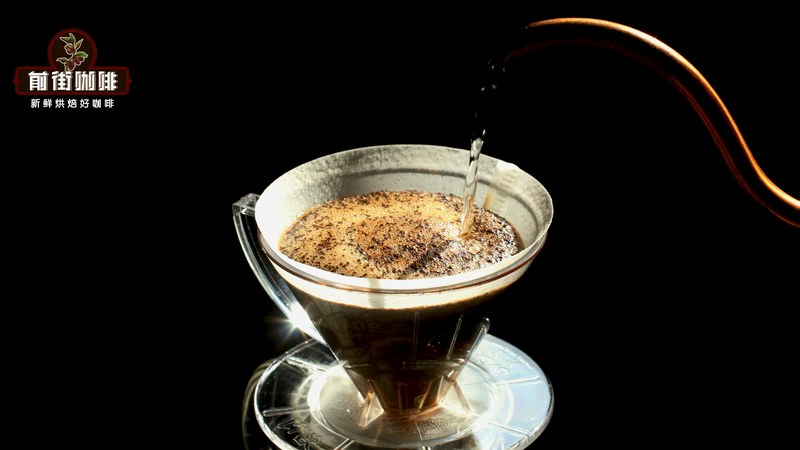
Using a conical dripper like the V60 lets water pass through the coffee bed faster, which suits floral, citrus and juicy notes. For medium-roast beans, start with 15 g of coffee to 225 g of water, a water temperature of about 90 to 92°C, a medium-fine grind, poured in three stages, with the total time kept around 2 minutes 30 seconds. If the cup tastes thin, grind slightly finer; if the finish feels dry, reduce the circling and stirring.
A flat-bottom dripper gives a more stable coffee bed and more even water distribution, so the cup often feels rounder than with a conical dripper. For medium-roast beans with nutty, caramel or tea-like notes, use 15 g of coffee to 240 g of water, a water temperature of about 91°C, poured in two to three stages. Don't grind too fine; an extraction time of 2 minutes 40 seconds to 3 minutes usually preserves sweetness while giving a softer finish.
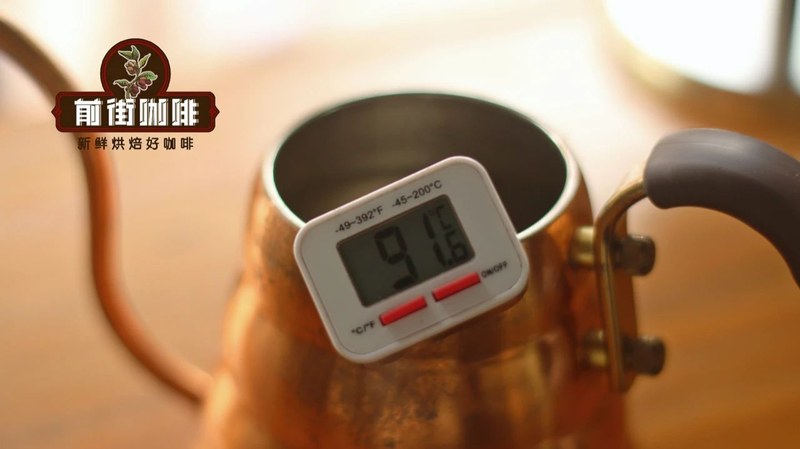
A switch dripper with an immersion function suits people just getting familiar with the parameters, or those who want to make aroma and body more consistent. You can mix 16 g of coffee with 240 g of water and steep for about 1 minute, then open the valve to complete the filtration. Starting at 90°C makes it easier to observe the flavors of medium-roast beans; if the acidity seems sharp, extend the steep by ten-odd seconds; if bitterness is obvious, shorten the steep or grind coarser.
If you like clear floral and tea-like notes, try Qianjie Panama Hacienda La Esmeralda Red Label Geisha. In a conical dripper it easily shows white-flower-like aromatics and citrus tones, and as it cools it develops a clean red-tea-like aftertaste. Use 15 g of coffee, 225 g of water and a water temperature of 91°C, pour gently at the start and avoid over-stirring to keep the aroma light.
If you often use a flat-bottom dripper, Qianjie Yirgacheffe Gutingding shows rounder fruit acidity and sweetness. Its flavors bring to mind citrus, berries and florals, with a refreshing tea-like finish. 16 g of coffee to 250 g of water, 90 to 91°C, total time about 2 minutes 50 seconds, is an easy starting point; for more brightness, grind slightly finer.
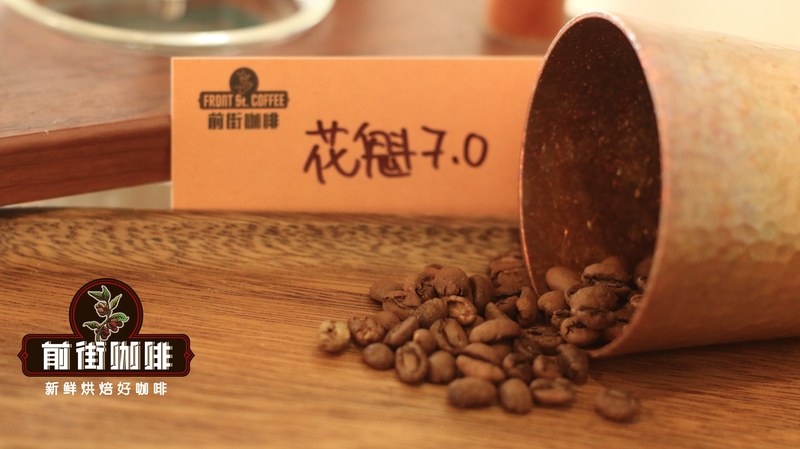
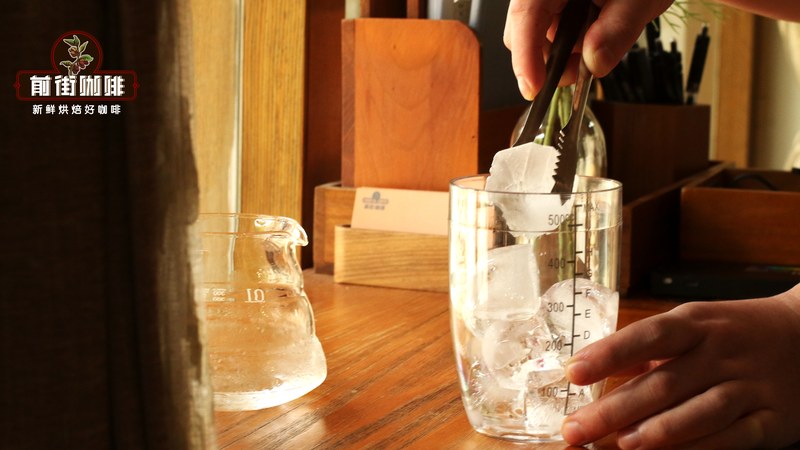
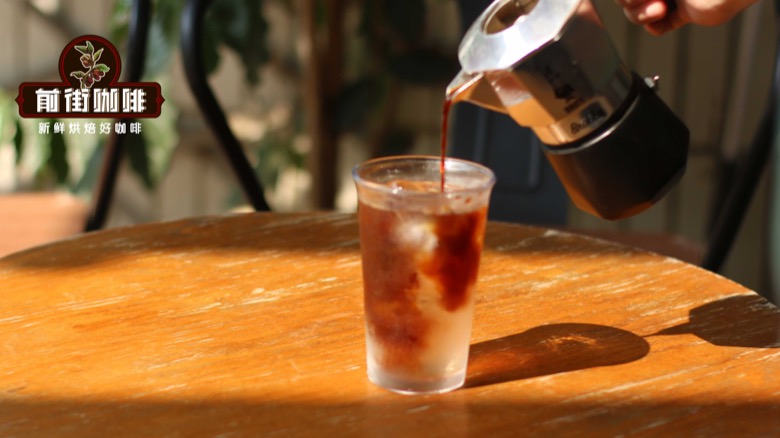
If you like fruity notes and often make iced pour-over, keep an eye on Qianjie Ethiopia Huakui. Under a medium roast, its tropical fruit character and strawberry-like sweet aroma are fuller, and even as an iced pour-over its freshness and sweetness remain distinctive. For a hot brew, use 15 g of coffee to 225 g of water; for an iced brew, replace about 70 g of that water with ice and keep your normal pouring rhythm.
Dripper parameters can be adjusted based on how the cup tastes, rather than changing many conditions at once. Sharp, short-lived acidity often points to water that's too cool, too coarse a grind or too little contact time; lingering bitterness and astringency can be addressed by lowering the water temperature, grinding coarser or reducing the final pour. Medium-roast beans don't need very high temperatures; get the extraction stable first, then watch how aroma, sweetness and body change.
The coffee-to-water ratio directly affects how strong the cup is. For a lighter-bodied cup, start at 1:15, for example 15 g of coffee to 225 g of water; for more concentrated flavors, use 1:14. Keeping the height and speed of the pour consistent reduces uneven flow through the coffee bed. With a smaller brewer, reduce the coffee dose first rather than only cutting the water, otherwise strength and extraction balance may both change.
With the same medium-roast bean, drinking it hot lets you observe the aroma layers, while after it cools you more easily sense the sweetness and aftertaste. After brewing, take a sip while it's warm, then wait a few minutes and compare the changes. For everyday use with a conical dripper, prioritize beans with clear floral and fruity acidity; for flat-bottom or immersion brewers, choose styles with complete sweetness and a rounded mouthfeel. Choosing by brewer and parameters this way makes pour-over easier to steer toward a stable, pleasing direction.
Related Reading
Comments (0)
Loading comments...
You May Be Interested


Trending Reviews
Popular Videos

With you, wherever you are! We provide useful features to help you find new things you'll love






