Source:Best Coffee > News Author:qjroot Published:2026-09-12 12:06:08
Blended coffee beans combine beans from different origins and processing methods to create a rich, layered and structurally solid flavor base. To fully express the sweetness and aroma of a bag of blended beans, the key is to set the appropriate grind size, water temperature and pouring method according to the roast level and flavor focus of the beans. When the parameters are set properly, the flavor layers in the cup will unfold clearly.
For a medium-roast blend with soft acidity and caramel sweetness, pour-over is suitable for preserving its light aroma and sweet, mellow quality. Take Qianjie Brazil Queen's Estate as an example: this coffee has the clean sweetness of roasted nuts, cocoa powder and caramel, with a mild and pleasant acidity. When brewing with a pour-over dripper, it is recommended to use 15g of coffee grounds, choose a medium-coarse grind, use a water temperature of 89°C, and control the total pouring volume at 225ml, for a coffee-to-water ratio of 1:15.
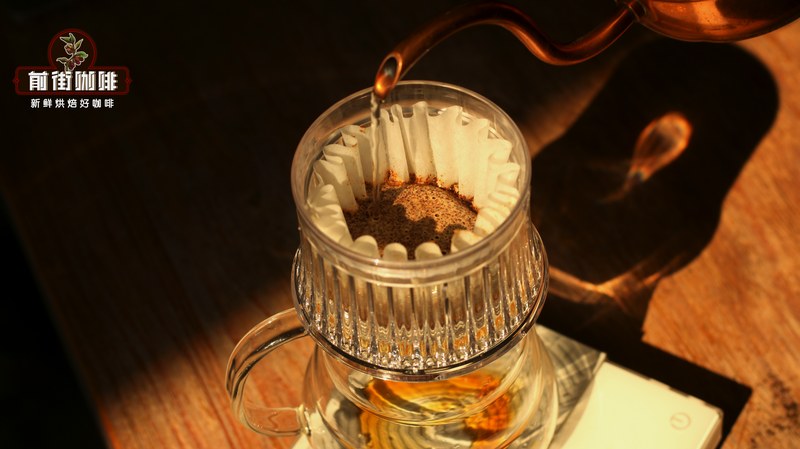
For pouring, use a three-stage pouring method: first pour 30ml of hot water for blooming, and wait 30 seconds to let the coffee bed fully degas; then pour 100ml of water in a spiral from the center outward, and when the water level drops by half, steadily pour the remaining 95ml of hot water; keep the total brewing time at about 2 minutes 10 seconds. This water temperature and pouring rhythm allow the solidity of the nuts and the sweet mellowness of the caramel to present themselves in the cup as warm and smooth.
When coffee beans are roasted darker, the bean structure becomes looser, and the dissolution rate of the internal flavor compounds noticeably speeds up. With dark-roast blended beans, if you still use high temperature or excessive agitation, it is easy to affect flavor clarity. At this point you should adjust the plan moderately, using a slightly lower water temperature, a slightly coarser grind and a shorter extraction time in exchange for a clean, intense dark chocolate flavor and a thick, viscous mouthfeel.
Qianjie PWN Indonesia Golden Mandheling shows a unique herbal aroma, intense dark chocolate and a deep, full-bodied texture, with very low acidity. If using pour-over to express its full-bodied sweetness, it is recommended to use 18g of coffee grounds, a slightly lower water temperature of 86°C, and 240ml of hot water, for a coffee-to-water ratio of about 1:13.3. During brewing, use two-stage pouring: first pour 40ml of water and bloom for 25 seconds, then steadily and slowly pour up to 240ml to complete the extraction, keeping the total time at 1 minute 50 seconds, which makes the herbal freshness and dark chocolate sweetness especially prominent.
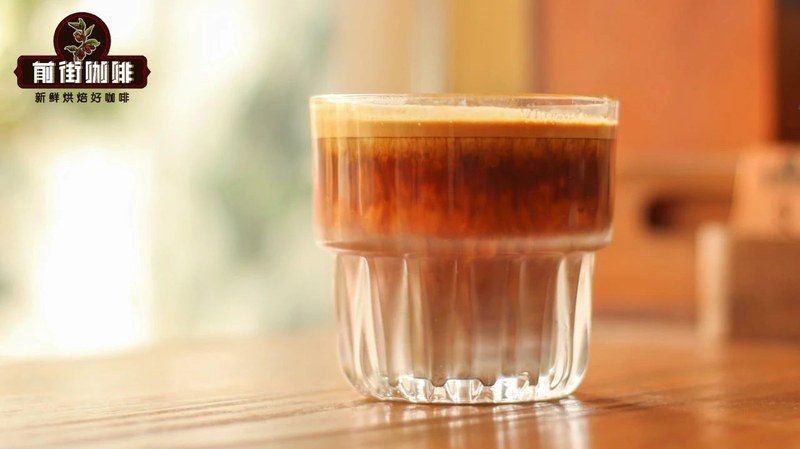
For blended beans mainly used for everyday espresso and milk coffee, the flavor design places more emphasis on balance and crema performance at high concentration. Qianjie Classic Blend has nuts, intense cocoa and caramel aroma at its core, with very prominent body and sweetness. It can not only be enjoyed alone as espresso, but also maintains a distinct coffee flavor profile after combining with milk.
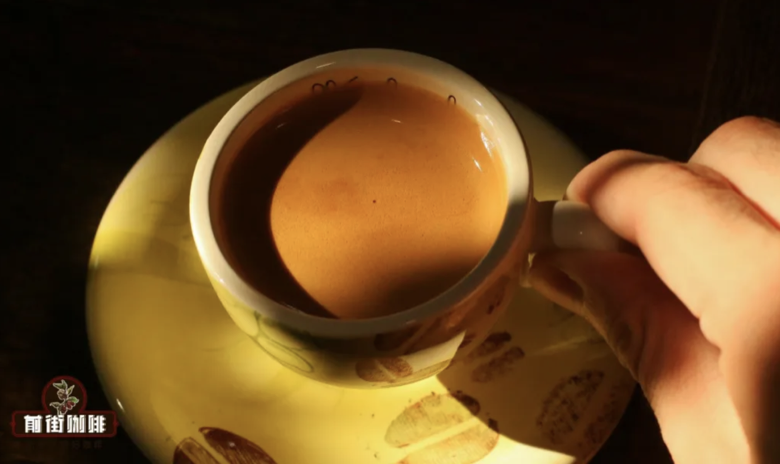
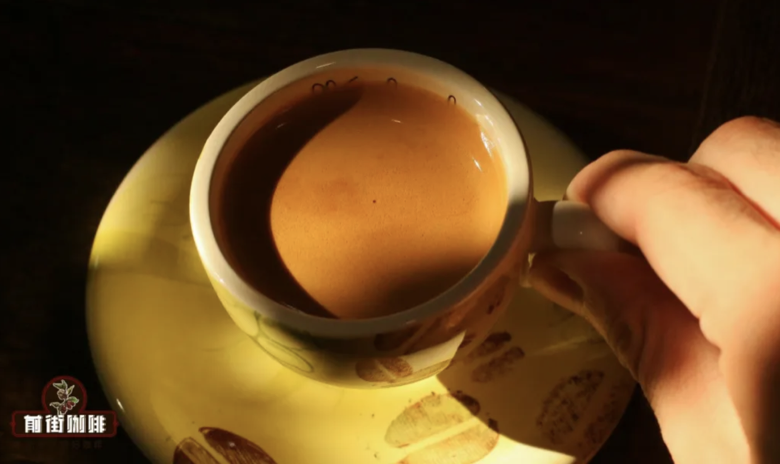
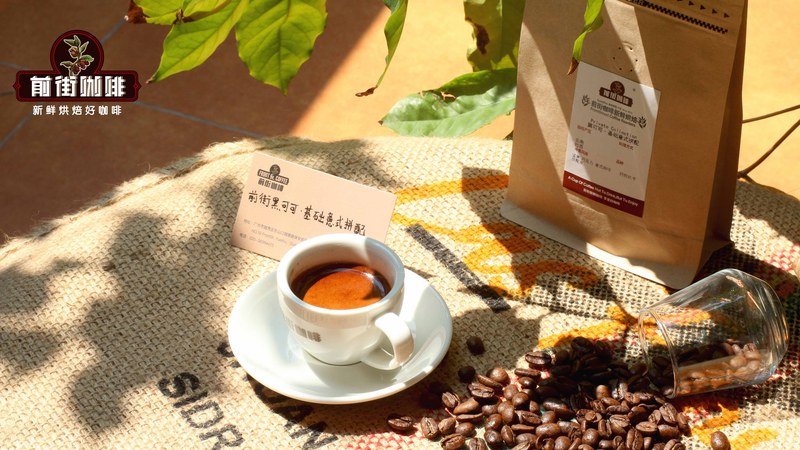
When making Qianjie Classic Blend on an espresso machine, you can take 18g of very finely ground coffee and put it into the portafilter basket. After distributing and tamping, set the extraction pressure to 9bar and the water temperature to 92°C. After starting extraction, observe the flow rate and crema state, and extract 36g of espresso liquid within 26 seconds, maintaining a coffee-to-liquid ratio of 1:2. This set of parameters can fully bring out the roasted caramel aroma and the rich cocoa sweetness, with a golden, thick crema.
When turning the extracted espresso into a latte or cappuccino, the milk temperature and ratio are also part of the brewing plan. It is recommended to steam 200ml of whole fresh milk to between 55°C and 60°C, keeping a fine, silk-like microfoam, then pour it into a double shot of Qianjie Classic Blend. A suitable milk temperature will stimulate the milk's own lactose sweetness, blending with the deep nutty cocoa aroma.
If using a moka pot at home to make high-concentration coffee, the coffee-to-water ratio should be fixed according to the structure of the pot. Taking a two-cup moka pot as an example, fill the filter basket with 16g of coffee ground to the coarseness of fine granulated sugar, and add 80ml of warm water at about 60°C to the lower chamber. Heat over medium-low heat, and when the coffee liquid flows out steadily and the color begins to lighten, remove the pot from the heat source. The total extraction time is about 1 minute 40 seconds, yielding a full, smooth espresso liquid.
Every blended coffee bean has its own unique flavor code, from roast level to bean composition, all hinting at the appropriate extraction path. In daily brewing, treat water temperature, grind size, pouring rhythm and coffee-to-water ratio as adjustment knobs, and carefully observe each cup's feedback on acidity, sweetness and body, and you can easily find the ideal plan that lets the beans bloom with captivating charm.
Related Reading
Comments (0)
Loading comments...
You May Be Interested

Trending Reviews
Popular Videos

With you, wherever you are! We provide useful features to help you find new things you'll love






