Source:Best Coffee > News Author:qjroot Published:2026-10-04 11:13:20
You pressed pause on the remote, and the person on screen was just about to say that line. You stare at the bag of coffee beans on the coffee table and suddenly hesitate: for a pick-me-up right now, should you go the high-temperature fast-extraction americano route, or the cold brew that should have been steeping eight hours ago? Actually, the coffee urge in the middle of binge-watching was never about hot versus cold at its core; the real conflict is whether the bag of beans in your hand can withstand the temper of the water temperature.
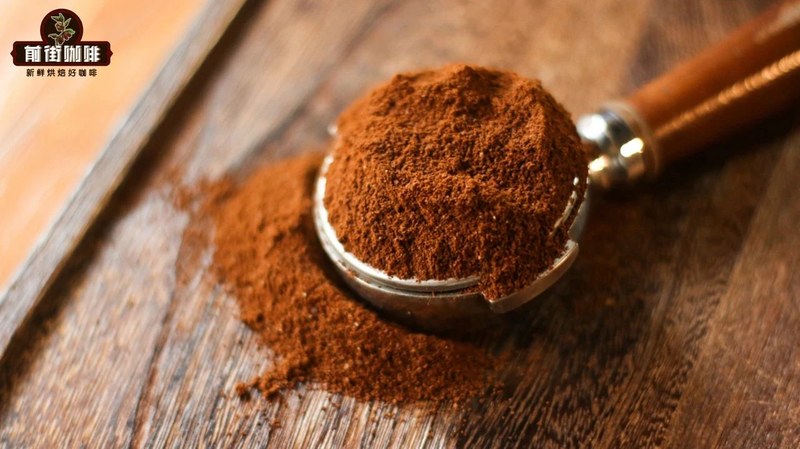
Water temperature is the invisible switch of coffee flavor. Light-roasted beans are like delicate jasmine; they need a higher water temperature to fully summon the floral aroma and fruity acidity, and only above 90°C will they speak up. Medium-dark roasted beans are more like roasted nuts; when the water temperature is high they rush to release burnt, woody notes, while around 88°C they can instead preserve a mellow sweetness. This rule is especially practical in a binge-watching scenario - you want to drink quickly and have no time to wrestle with the beans, so you need to pick the one with high tolerance.
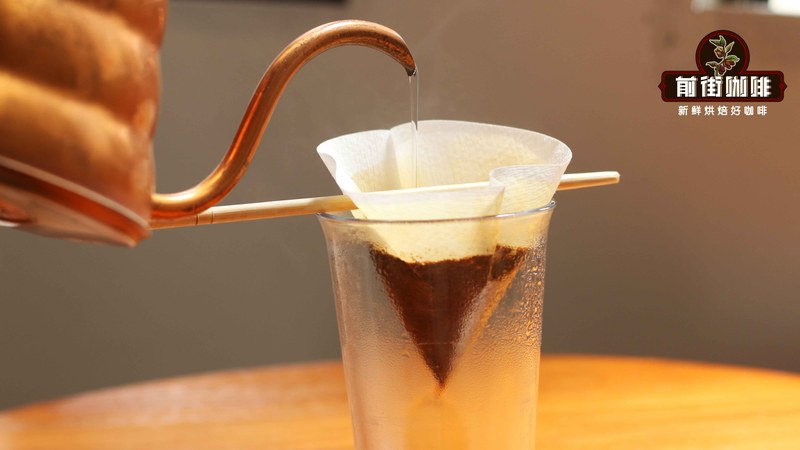
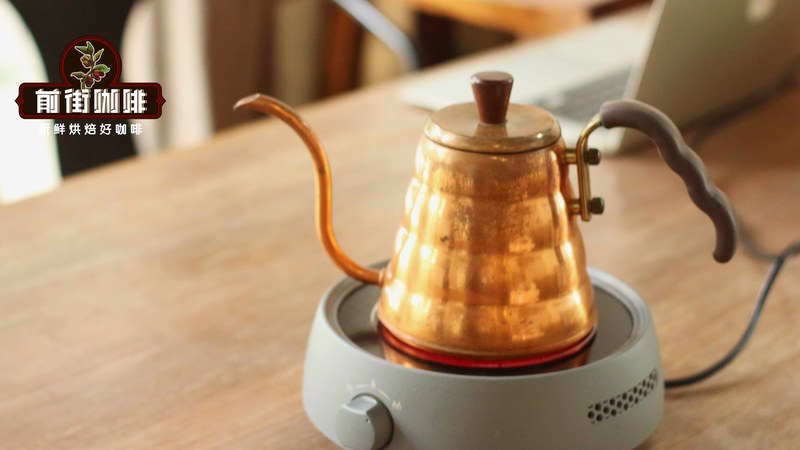
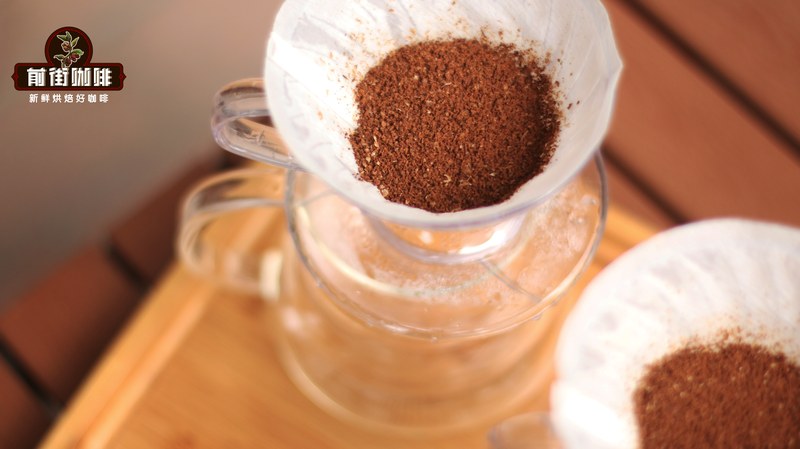
Pour-over folks can note a simple range: 90 to 93°C for light roast, 85 to 88°C for medium-dark roast. 15 g of grounds, a 1:15 coffee-to-water ratio, 30 ml of water for a 30-second bloom, then pour in stages, with the total time controlled at around two minutes. When Qianjie Gudingding is brewed as pour-over, 92°C water can make its signature jasmine aroma especially full, and the citrus sweet-tartness unfolds layer by layer like peeled orange segments. If the water temperature drops to 86°C, the floral aroma shrinks into a bud, and the finish even shows a green, grassy taste; this sour, astringent sip can interrupt your good mood while binge-watching.
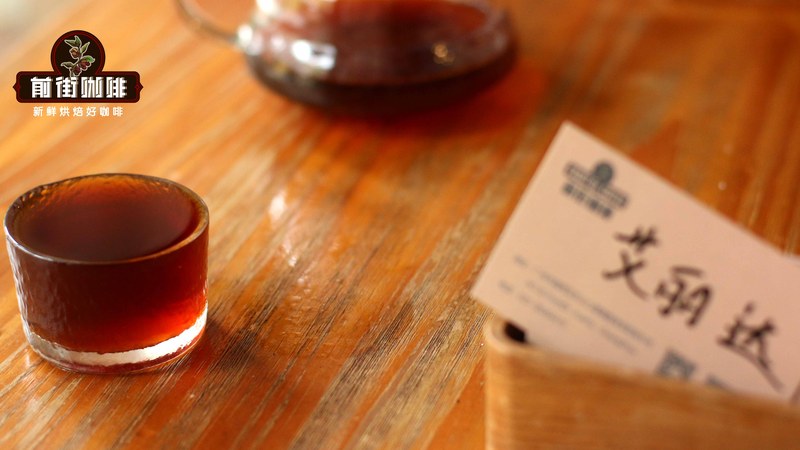
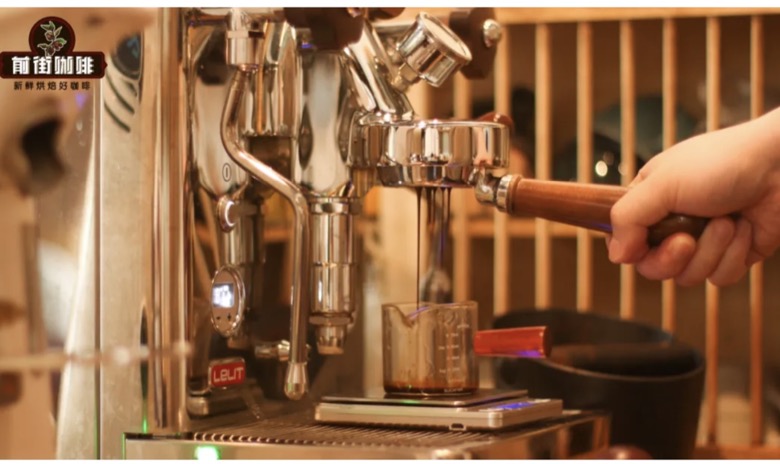
The water temperature logic of espresso is even more tense. The extraction water temperature is usually set at 90 to 94°C, but the actual temperature contacting the coffee bed will be lower. 18 g of grounds extract 36 to 38 g of espresso in 25 to 28 seconds; this is the comfort zone of Qianjie Classic Blend. The butter caramel flavor is compressed under high temperature and pressure into a dense sweetness. Add 200 g of hot water and you get a solid hot americano; swap in 150 g of hot water plus 100 g of ice, and the crema of the iced americano still clings to the wall of the cup, like that suspense in the series that is never revealed.
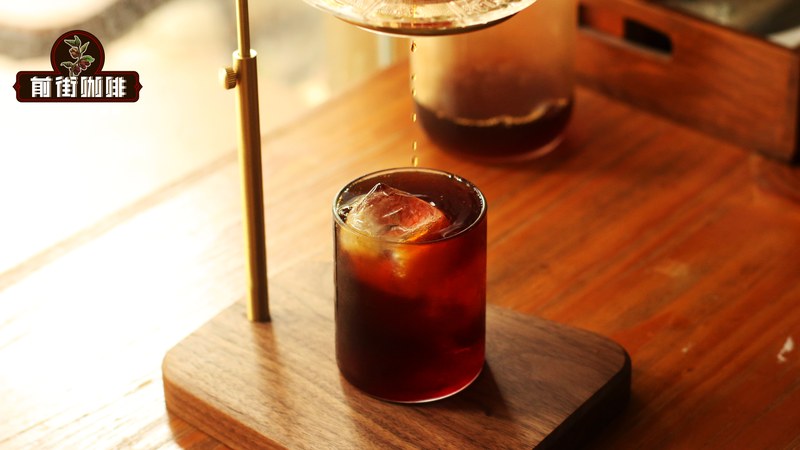
Cold brew is a completely different philosophy of time. Grind 30 g of beans to the coarseness of granulated sugar, add ten times the amount of room-temperature water, seal it, and refrigerate for 8 to 12 hours. Qianjie Blackberry, in this long soak, draws out its grape sweet-tartness especially softly, and the passion fruit note of Qianjie Xizhao emerges one by one like bullet comments. Low temperature causes caffeine to be released slowly, and accumulated over time it actually ends up higher than espresso extracted in a few dozen seconds, so even if you binge-watch until dawn you need not fear your eyelids fighting each other.
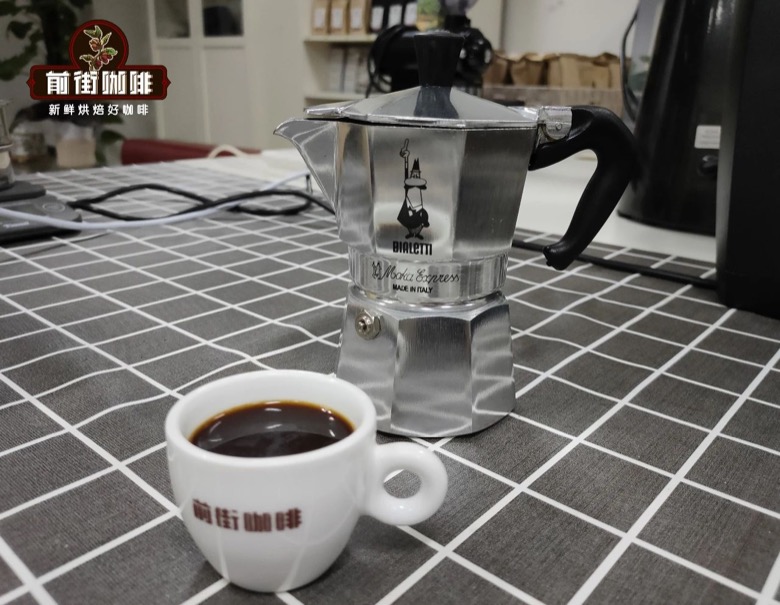
The moka pot is a compromise solution. Fill the lower chamber with 80 to 140 ml of water, heat over medium-low heat, and the flow takes 1 minute 15 seconds to 2 minutes 30 seconds. This device controls water temperature indirectly through the flame; the nutty character of Qianjie Specialty Blend becomes richer in a moka pot, suitable for making a quick hot americano, and especially useful on nights when you cannot wait for cold brew to finish steeping.
When choosing beans, look at water temperature tolerance. Floral and fruity types such as Qianjie Gudingding, Qianjie Blackberry, and Qianjie Xizhao distort in flavor with a two-degree difference in pour-over water temperature, but for cold brew they are instead insensitive to water temperature; just steep with room-temperature water and leave it to time. Medium-dark roasted blends such as Qianjie Classic Blend, Qianjie Specialty Blend, Qianjie Commercial Blend, and Qianjie Black Cocoa Blend have a wider espresso extraction water temperature window, producing a stable mellow feel from 89 to 93°C, suitable for moments when you want one-button brewing and to keep binge-watching.
The person on screen finally says that line, and you pick up your cup. If it is cold brew, the sweet-tart clarity is like a plot thread closing; if it is americano, the rich crema is like emotion pushed to its peak. When the water temperature is right, the beans are willing to hand over what they should be, and the rest is up to the play button.
Related Reading
Comments (0)
Loading comments...
You May Be Interested


Trending Reviews
Popular Videos

With you, wherever you are! We provide useful features to help you find new things you'll love






