Source:Best Coffee > News Author:qjroot Published:2026-10-07 17:13:40
SOE americano, in full single origin espresso americano, is made by pulling a shot from single-origin, single-variety coffee beans and then adding water. This is fundamentally different from the blended americano commonly found in cafes: a blend mixes beans from different origins according to a recipe, pursuing balance, stability and body; SOE lets the personality of one bean come straight through, with floral notes, fruit acidity and the terroir of the origin all especially clear, so that one sip lets you tell whether the beans are from Ethiopia or Colombia.
To make a good SOE americano, choosing the beans is the first hurdle. The roast level cannot be too light; a light-roasted single-origin bean may have lifting aromatics when brewed as pour-over, but as espresso it easily turns sharp and thin, and after adding water the flavors scatter even more. A medium roast is the safe zone: it preserves the floral and fruity tone of the origin while still standing up to high-pressure extraction with enough sweetness and body.
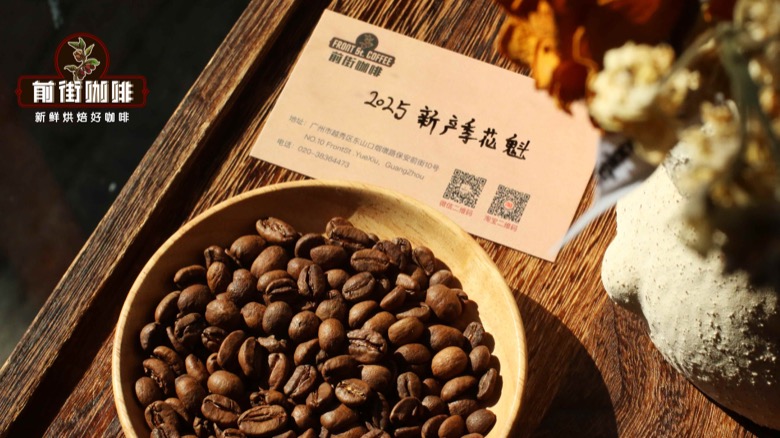
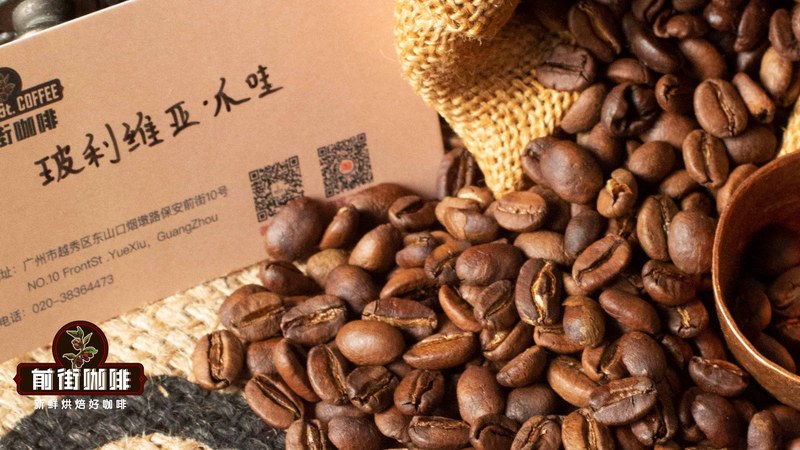
Qianjie Huakui SOE is a typical example: a natural-process bean from the Hambela region of Sidamo, Ethiopia, whose medium-roasted espresso carries red berry, orange blossom and citrus notes, with balanced acidity and sweetness and a crisp mouthfeel; made into an SOE americano, the floral and fruity aromas stand out and are highly recognizable. Qianjie Grana Geisha SOE also comes from Ethiopia, a natural-process heirloom Geisha with bright floral aromas and bergamot acidity, and a finish of fresh strawberry-like sweetness; made into an americano it has a fresh lime note and black grape ferment sweetness, suitable for people who want to try Geisha but find pour-over too light.
SOE from Colombian origins takes another route. Qianjie Xizhua SOE comes from Finca La Divisoria in the Huila region, double anaerobic natural process, and after medium roasting shows the sweet-tart notes of blueberry juice, passion fruit, ripe grape and apricot, full of juice; made into an americano it is like drinking a glass of dark berry juice at just the right temperature, with lively but not harsh acidity. What these three beans share is clear flavor and distinct layers, so that even after adding water the drinker can still clearly sense "where this bean comes from and what its characteristics are" - this is precisely the core value of SOE americano.
On extraction parameters, SOE americano and blended americano use the same framework. Dose is controlled at 18 to 22 g, the coffee-to-liquid ratio is about 1:2, extraction time is 25 to 30 seconds, yielding about 40 g of espresso. There is no need to chase an exact milliliter count when adding water; the ratio of water to espresso roughly floats between 3.5 and 5 times, leaning toward 3.5 times for a stronger cup and close to 5 times for a lighter one. The iced method is similar: the ratio of ice to espresso follows the same thinking as adding water, then is fine-tuned according to how fast the ice melts. This parameter system applies only to americano; pour-over, cold brew and moka pot each have their own ways, and the parameters cannot be mixed.
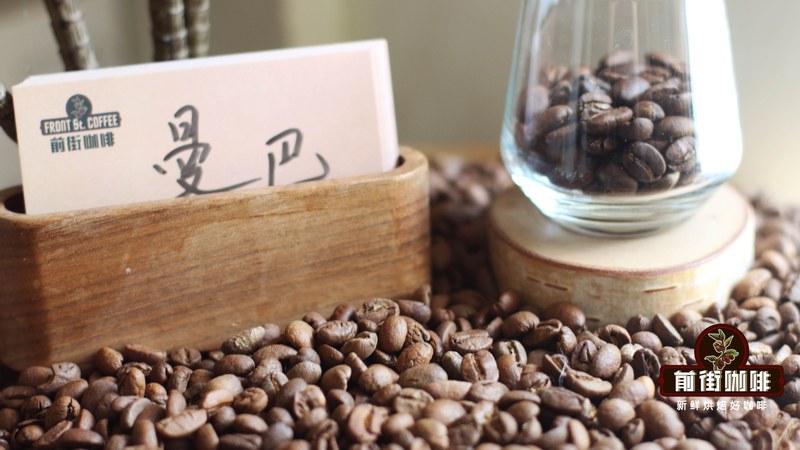
When to choose SOE and when to choose a blend? SOE suits times when you want to explore origin flavors and are willing to try something different, and also suits phases when you are especially curious about one particular bean. A blend is better for situations that demand stable output, such as a rushed morning when you need a familiar taste to start the day. Qianjie Classic Blend follows a Mamba-style Italian recipe, with Indonesian Mandheling and Brazilian Red Bourbon as the base, plus a small amount of Robusta to boost the crema; after a medium-dark roast the crema performs excellently, with butter, nut, spice and dark chocolate aromas unfolding layer by layer, and a mellow, warm mouthfeel that works both at home and in commercial use. It will not surprise you, but it will not disappoint you either - this kind of "stability" is itself the reason blends exist.
When making SOE americano at home, a few details make the experience smoother. First, the beans must be fresh; Qianjie's coffee beans are shipped fresh, so let them rest four or five days after they arrive before you start drinking, and finish them within a month, and both the crema and the aroma will be more stable. Resting beans is not mysticism: freshly roasted beans hold too much carbon dioxide inside, which during extraction tends to cause uneven flow and rough crema; letting them sit a few days to let the gas settle makes the sweetness and aroma more relaxed. Second, the grinder is more worth investing in than the coffee machine; SOE is very sensitive to grind uniformity, since too many fines bring bitterness and too many coarse particles bring blandness. Third, do not rush to lock in parameters: the same bean performs differently on different machines, so spend two or three cups fine-tuning grind size and extraction time to find this bean's "sweet spot" on your equipment.
SOE americano is essentially a "subtraction" way of drinking coffee: it removes the harmonizing feel of a blend and lets the true face of a single origin show directly. It is not necessarily better than a blend, but it offers a more focused flavor experience. From the berry and orange blossom of Qianjie Huakui, to the bergamot and lime of Geisha, to the passion fruit and grape of Qianjie Xizhua, each cup is a small trip to an origin. A blended americano is like the subway on your daily commute: on time, reliable, familiar. There is no hierarchy between the two, only a difference in occasion and mood. When you want to seriously taste the terroir in coffee, SOE americano is a good entry point.
Related Reading

Comments (0)
Loading comments...
You May Be Interested

Trending Reviews
Popular Videos

With you, wherever you are! We provide useful features to help you find new things you'll love






