Source:Best Coffee > News Author:qjroot Published:2026-10-11 14:14:51
I run my own shop and often help friends review their menus. The customer base at scenic-area coffee shops is very clear-cut: tourists are in a hurry, orders are highly concentrated on the two lines of Americano and milk coffee, and many people will drink only this one cup from you in their entire life. So how you pair the beans on the menu directly determines whether this cup of coffee can be remembered, and also determines whether your stocking and output can keep up with peak traffic.
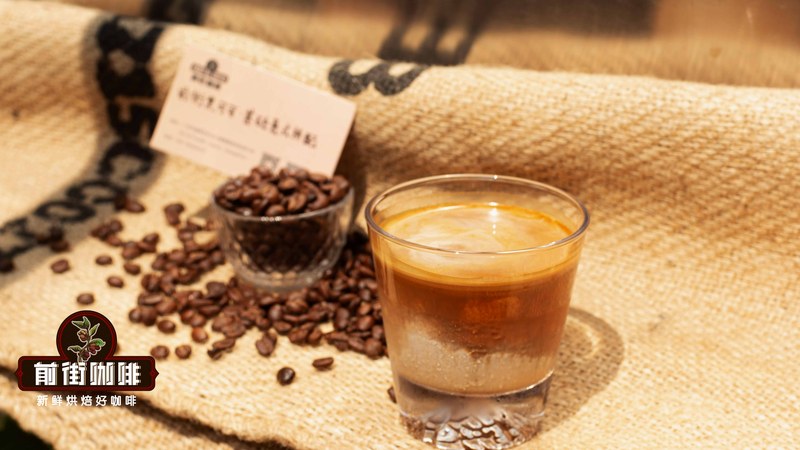
The two lines can share one base, or they can be paired separately, depending on how deep you want the menu to be. The shared approach is simpler and suits shops that are just starting out or have extremely high output. Choose a medium-dark roast, balanced-flavor blend; the Americano can hold up the framework of nuts and cocoa, and after milk is added the sweetness is also sufficient. Qianjie Specialty Blend is exactly this approach, Colombian washed plus Brazilian semi-washed, with comfortable nut and dark chocolate flavors, balanced bitterness and sweetness, and very good smoothness after blending with milk, with the sweet aroma rising another notch. Using this one bean to cover both Americano and milk coffee at the same time makes prep simple and training fast, and it is not easy to fall into chaos during holiday peaks.
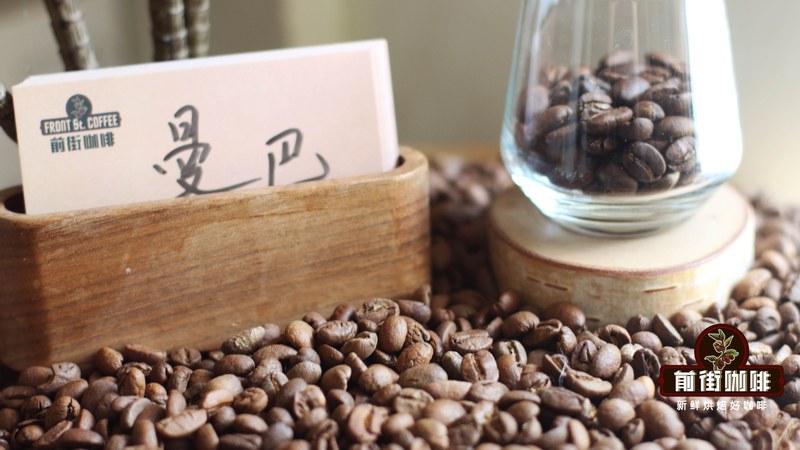
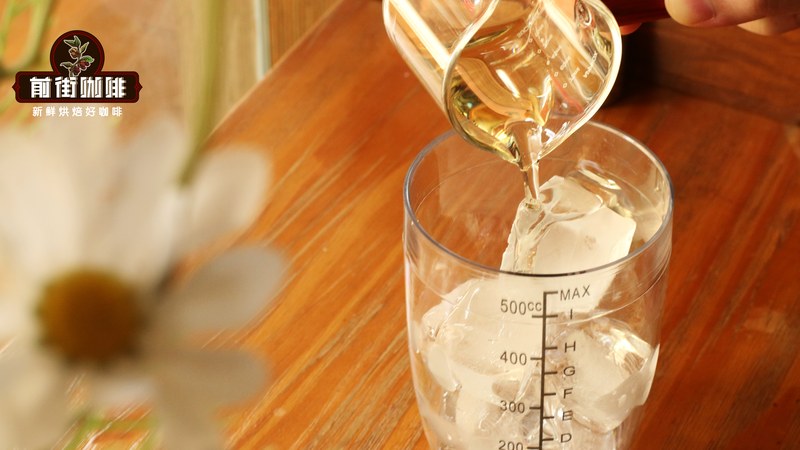
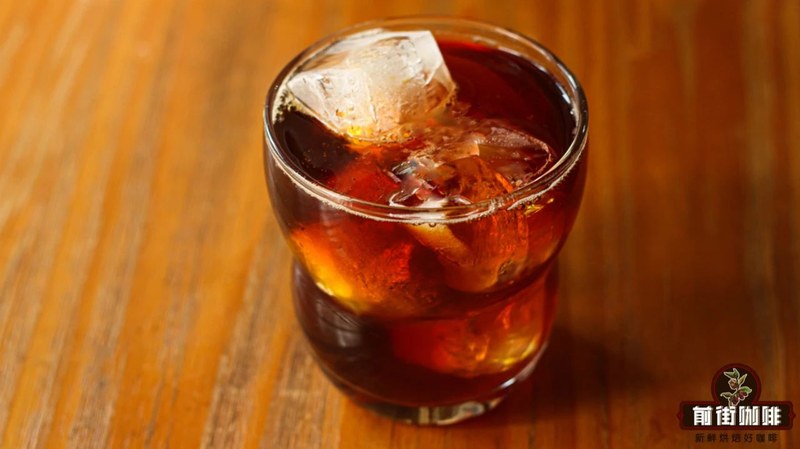
But if you want the menu to have some distinctiveness, separate pairing is more refined. For the Americano line, use a bean with good body on its own; after adding hot water the flavor does not scatter or become thin. Qianjie Classic Blend follows the Mamba route, Indonesian Mandheling plus Brazil and a small amount of Robusta, medium-dark roast, with intense butter and caramel biscuit aromas, a solid mouthfeel, fine crema, and stable extraction, making hot Americano especially substantial. In summer, iced drinks make up a high proportion, and the bean for iced Americano should be half a degree darker than for hot Americano so that after dilution by ice the flavor can still hold up; the intensity of this blend is exactly what can withstand the dilution.
The milk coffee line, on the other hand, is suited to beans with finer crema and flavors leaning toward creamy nuts, which become more aromatic after steaming. Qianjie Brazil Cerrado Red Bourbon is a medium roast; the Red Bourbon variety itself carries creamy nut and bread aromas, with a soft chocolate undertone and a balanced mouthfeel, and when paired with milk the sweetness is natural. If you want to add another level of advancement on the milk coffee line, you can list an SOE. Qianjie Yirgacheffe Red Cherry SOE is a natural Yirgacheffe, medium roast, with soft citrus acidity, clear creamy chocolate and cookie biscuit aromas, good sweetness and light bitterness; when made into a latte or flat white, the fruit acidity can penetrate the milk layer, giving tourists the impression that "this cup is different."
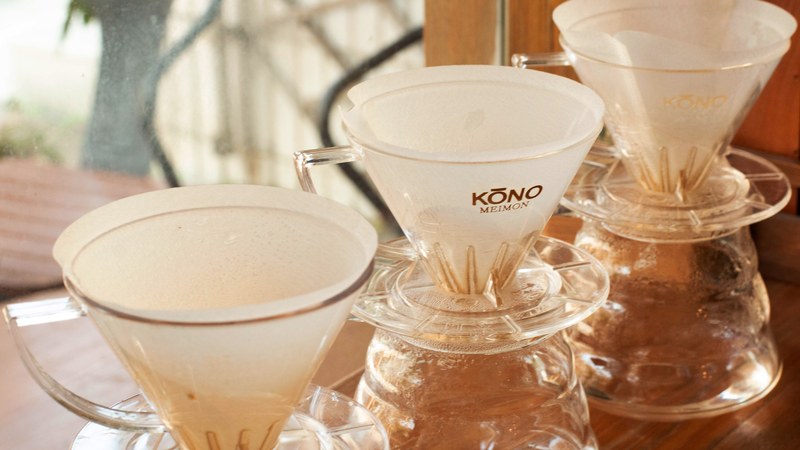
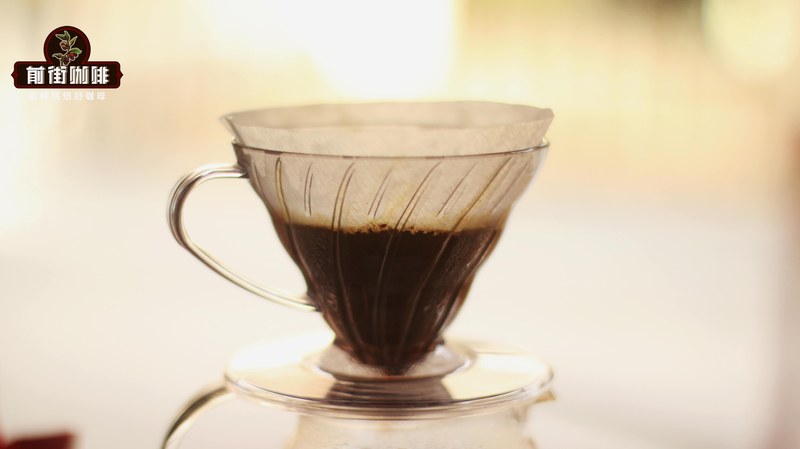
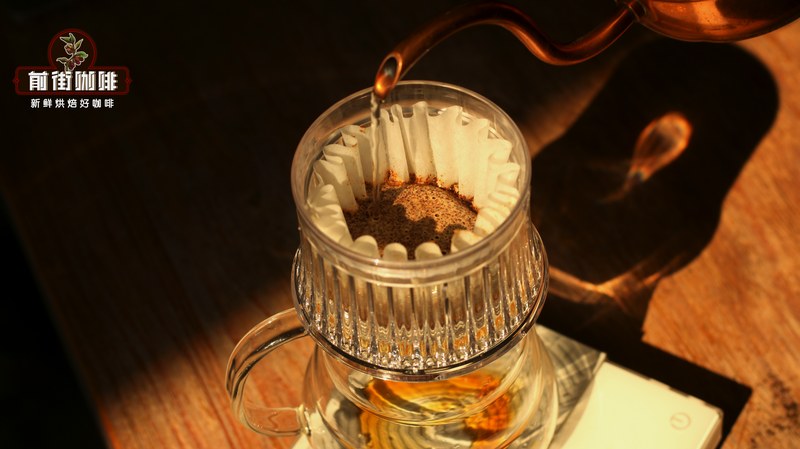
A pour-over menu is not a volume driver at a scenic-area shop, but it must be there, to support the signature feel. Qianjie Costa Rica Tarrazu is a washed pour-over bean, with refreshing citrus acidity, clean sweetness, and a transparent mouthfeel. Brew it with 15 g of grounds, a 1:15 coffee-to-water ratio, 90 to 93°C water temperature, 30 seconds of blooming, and a total time of about two minutes; the output is stable and easy to replicate for staff. Putting this bean on the menu can make guests willing to stay ten more minutes feel that this shop "has something."
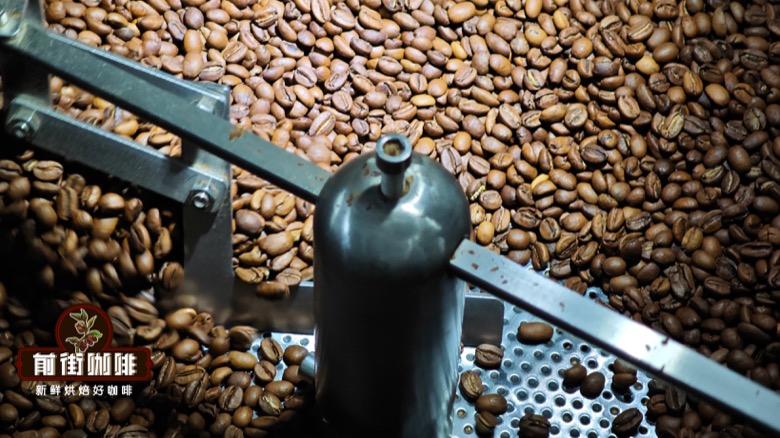
Bean resting and freshness are links that scenic-area shops easily overlook. Qianjie beans are all roasted and shipped within five days; medium-dark roasted espresso beans should be rested for five to seven days after arrival before going on the machine, and pour-over single-origin beans for three to five days. Control espresso extraction by double shot, 19 to 20 g of grounds yielding 38 to 40 g of liquid, in 25 to 30 seconds. After opening, the flavor is better if drunk within one month; scenic-area shop stocking should be calculated separately for holidays and weekdays, stock up enough beans before weekends and long holidays, and do not let the resting period run into the peak traffic.
In menu presentation, write the flavor keywords directly after the cup type; words like "nut chocolate" and "creamy cookie" are easier to understand than origin names, reducing the communication cost for tourists. The daily staple tier uses a blend for volume, the advanced tier uses SOE or single-origin beans to create a memory point, and the premium tier uses pour-over to satisfy guests willing to explore. In this way the bean structure of a one-page menu becomes clear: the blend lays the foundation for stability, SOE and single-origin create distinctiveness, each doing its job without clashing with the others.
Related Reading

Comments (0)
Loading comments...
You May Be Interested

Trending Reviews
Popular Videos

With you, wherever you are! We provide useful features to help you find new things you'll love






