Source:Best Coffee > News Author:qjroot Published:2026-09-30 18:19:45
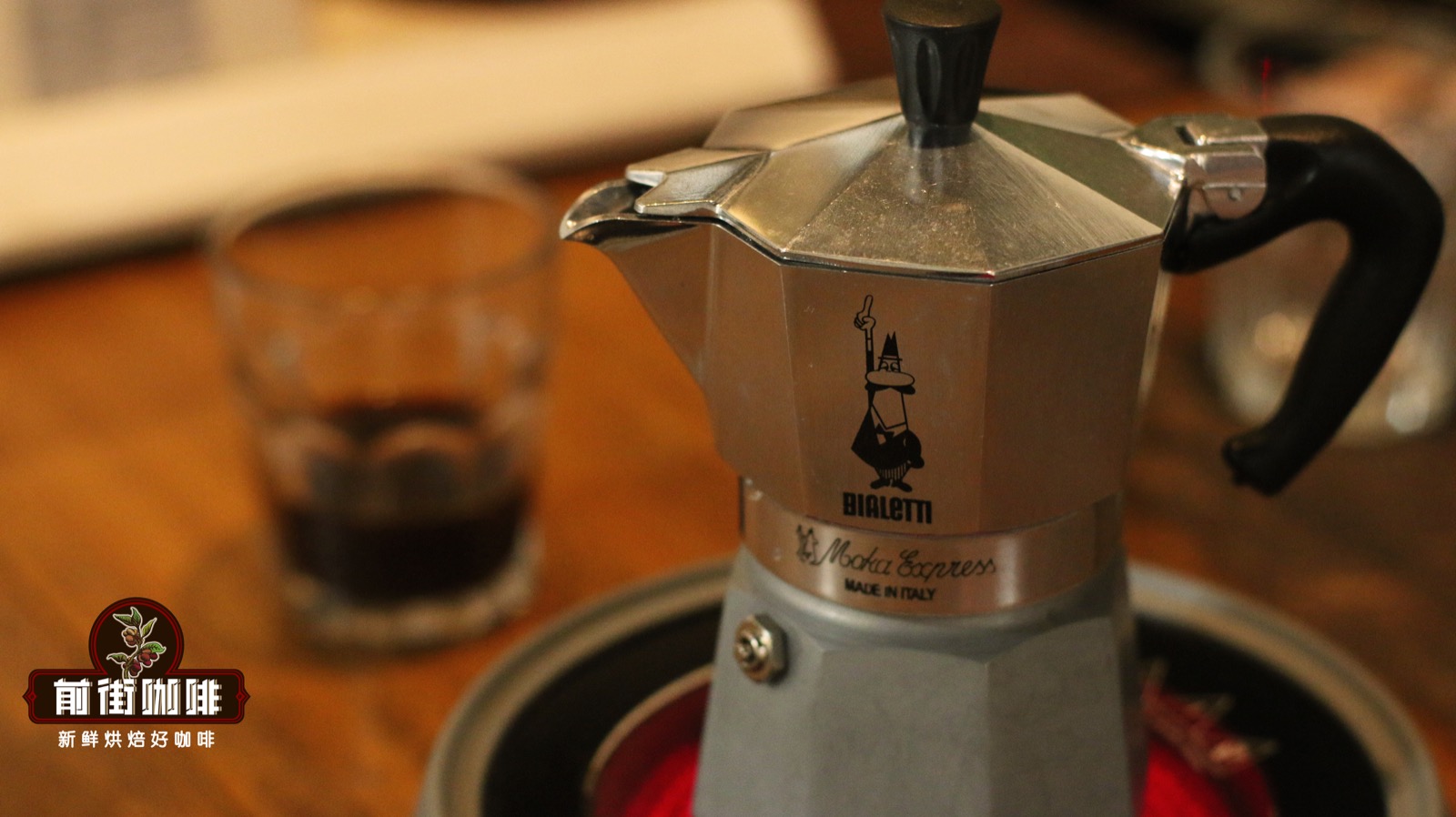
Coffee brewed with a moka pot has a strength close to espresso, yet retains more pronounced roast aromas and an oily mouthfeel. When choosing an everyday bean, you can first look at the pot's capacity, the size of the filter basket, the heating method and your usual yield per brew, then decide on the bean's body and roast direction. When the parameters line up, the coffee liquid will be fuller and bitterness will be easier to control.
Small-capacity moka pots usually hold a limited amount of grounds, with tight space in both the water chamber and the filter basket, so they extract little liquid but concentrate the flavor. Such brewers suit medium-roast beans with clear sweetness and soft acidity, avoiding overly sharp fruit acidity that dominates the palate. Three-cup or six-cup pots yield more liquid and can accommodate beans with richer aromas and more obvious layered complexity.
The size of the filter basket determines how much coffee grounds go in each time, and a moka pot is not suited to casually reducing the dose to make the brew milder. Fill the grounds to the proper level and keep them level, so bean selection must match a fixed strength. If you usually drink black coffee straight, pick medium-roast beans with clear sweetness and aroma; if you often add water or milk, you need a flavor base with more weight.
Grind size directly changes how fast water passes through the coffee bed. If the grounds are too fine, resistance to the water flow increases and the coffee liquid easily turns scorched-bitter and astringent; if the particles are too coarse, under-extraction makes it taste thin. For a home moka pot, start with a grind close to fine granulated sugar, slightly coarser than the grind commonly used for espresso machines, then fine-tune based on flow speed and the taste on the palate.
The amount of water in the chamber also affects the extraction rhythm. When filling with water, do not exceed the safety valve; you can start with warm or room-temperature water and adjust according to the stove's heat output. A gas stove heats up quickly, so it suits a smaller flame pushing things along slowly; an electric ceramic stove retains heat noticeably and keeps heating after the flame is turned off, so you need to watch the flow early and reduce overheating in the final stage.
When the color of the flowing liquid turns from dark to light, it usually means the later stage is starting to add more water. At this point, remove the heat source in time and briefly touch the base of the pot with a cold cloth to bring the temperature down quickly. There is no need for a moka pot to chase every last drop in the filter basket; the early-stage coffee already delivers the main strength, and overheating the later stage easily draws out obvious harsh bitterness.

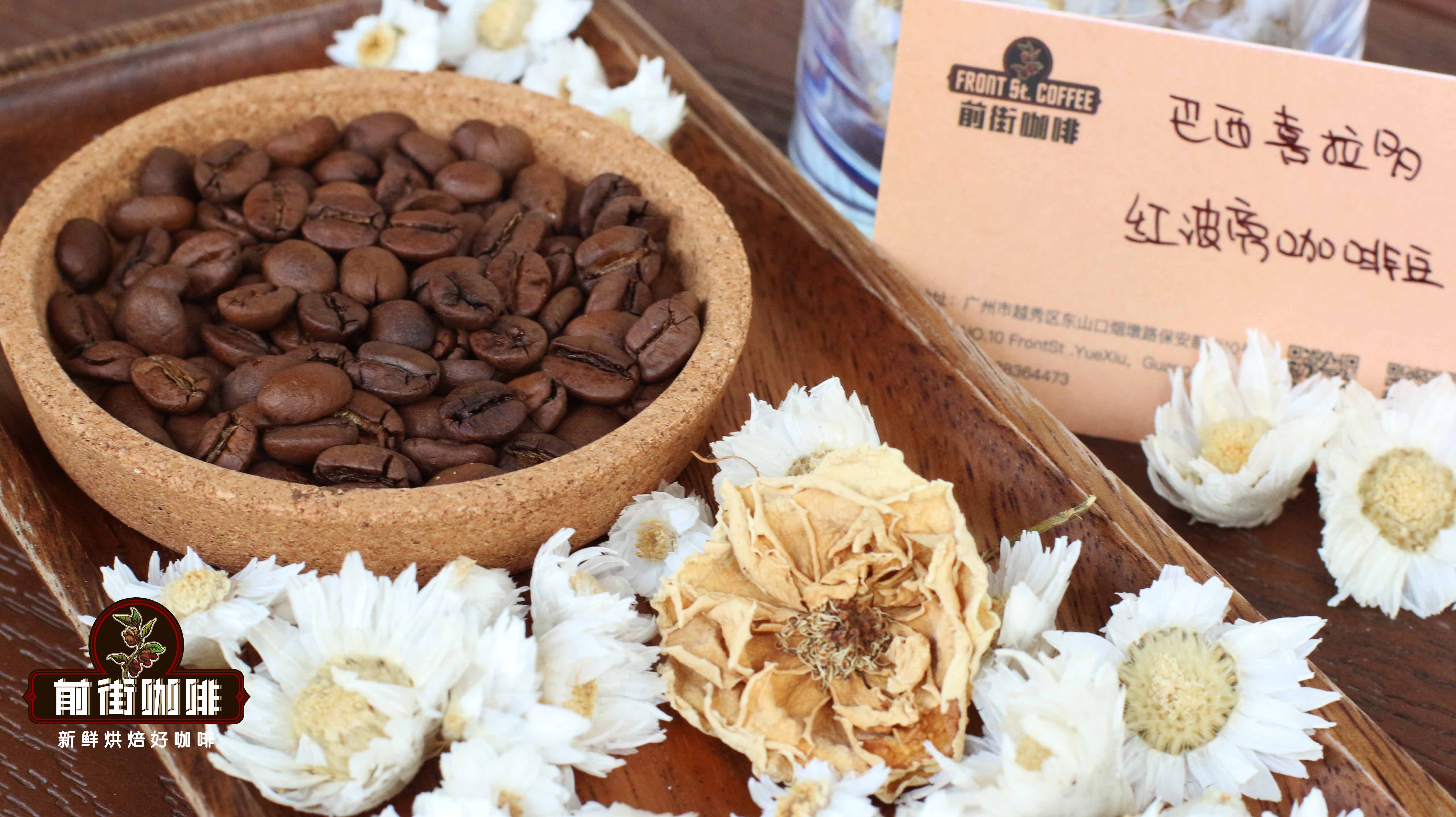
If your pot is on the small side and you are used to drinking it without milk, you can try Qianjie Brazil Queen's Estate. This bean's nut and cocoa notes are rounder, with a caramel-like sweetness on entry and no prominent acidity. With a medium-fine grind and low heat, drinking it straight after it flows out preserves a gentle strength, and you can also add a little hot water to make an easy-drinking black coffee.
Three-cup or six-cup pots are often used to make drinks like lattes and flat whites, where the coffee liquid still needs to be recognizable after passing through a lot of milk. Qianjie Classic Blend suits this parameter combination, as its nut, cocoa and syrupy sweet aromas can hold up against the milk. Do not keep grinding finer; keep the flow smooth, then change the strength with the milk ratio for a more harmonious cup.
If you use an induction cooker or a stove with high heat output at home, the temperature rises quickly, so pay special attention to heating time with dark-roast beans. Qianjie Black Cocoa Blend has more prominent dark chocolate and roasted nut notes, suits making a moka pot americano and also pairs with hot milk. With a slightly coarser grind and a shorter finish to the heating, the full body remains without bitterness becoming overly concentrated.
The resting state of the beans is also worth factoring into your equipment parameters. Freshly roasted beans are actively degassing, so a sealed, heated moka pot may flow unevenly and the aroma may be more scattered; after resting until the state is stable, the coffee bed is easier to keep even. Try to record the dose, water amount, grind setting and the moment you remove it from the heat each time, changing only one thing for the next pot, and you can find the combination that suits this pot.
Everyday moka pot beans do not need to chase complicated labels; the key is whether the bean's flavor intensity matches the pot's capacity and heat. Small pots can lean toward soft and sweet; medium and large pots can choose fuller-bodied or more vividly aromatic types; drinking straight, adding water or adding milk also corresponds to different strength needs. Once these parameters are fixed, daily brews will be more consistent and the bean's characteristics easier to taste.
Related Reading




Comments (0)
Loading comments...
You May Be Interested




Trending Reviews
Popular Videos

With you, wherever you are! We provide useful features to help you find new things you'll love






