Source:Best Coffee > News Author:qjroot Published:2026-09-22 14:00:42
Unscrewing the moka pot or pressing the button on the espresso machine in the morning and watching espresso blend with fresh milk is probably the most comforting moment of the day. But many people feel confused when choosing beans. Milk is really like a canvas, and the terroir of the coffee bean's origin is the base color. By choosing according to the terroir characteristics of the world's three major producing regions, even if you are just making an ordinary latte for daily drinking, you can taste rich layers like a trip around the world.
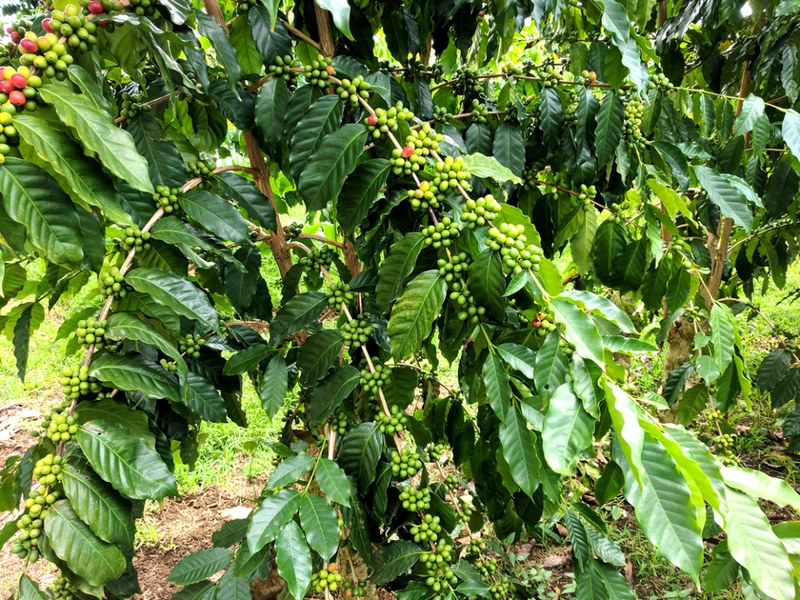
Let's start with the reassuring Asian producing regions. The fertile soil and distinctive wet-hulling method of Sumatra, Indonesia, give green beans an extremely deep, solid body and herbal aroma. After dark roasting, this kind of bean has almost no acidity left, and its body and crema performance are very impressive. When highly concentrated coffee oils hit warm milk, they make the milk's sweetness stand out especially solidly, making this very suitable for friends who pursue a rich, old-school flavor.
Take Qianjie PWN Indonesia Golden Mandheling, which has a very stable reputation among connoisseurs. On the palate there is rich dark chocolate, herbs, and its distinctive earthy fragrance, with a long, warm finish. Used for espresso or moka pot extraction and then mixed with twice its amount of fresh milk, the whole latte is like a melted liquid dark chocolate wafer, without any sourness or off-flavors, thick and warm, and very satisfying to drink on autumn and winter mornings.
If what you want is a classic milk coffee that no one will find fault with, the highland terroir of Central and South America is often a good helper for balance. Whether it is Brazil's gentle warmth or Colombia's bright mountains, the coffee here mostly carries clean nutty, cocoa and caramel sweetness. When combined with milk, they behave very obediently, as if a rich hazelnut chocolate sauce has been quietly melted into the fresh milk.
Qianjie Specialty Blend is a typical Central and South American balanced style. It uses Brazil Cerrado with Colombia Huila, bringing out the most familiar espresso richness in everyone's memory with exceptional steadiness. Another one, Qianjie Brazil Queen Estate, is equally stunning, with very low acidity. Its rich nutty and caramel sweetness are fully amplified in milk. Made into a flat white, it is not only smooth and soft, but after swallowing there is still a faint toffee sweetness in the mouth.
Friends who like a bright and lively taste can turn their attention to Africa and special-process high-altitude producing regions. The abundant sunshine there lets the coffee accumulate bold floral aromas and juicy character. Many people worry that fruity acidity will clash in milk coffee, but in fact, under the lifting effect of milk's lactose, high-quality fruity acidity can instead neutralize the greasiness of milk fat, bringing a light flavor as refreshing as a fruit milkshake.
For example, Qianjie Strawberry Candy Coffee Beans cleverly combine the native flavors of different producing regions. After the espresso is mixed into milk, it unexpectedly reveals a clear sweetness similar to strawberry gummies. Friends who fear bitterness will like it as soon as they try it. There is also Qianjie Colombia Sidra, whose double anaerobic natural process brings rich floral and fruity aromas. When made into an iced latte, the passion fruit and grape juice notes advance layer by layer, with a sweet cocoa note still floating in the finish.
To extract these terroir characteristics consistently at home, the operating parameters of the espresso machine are crucial. For a semi-automatic espresso machine, it is recommended to weigh 18 g of finely ground coffee powder, distribute and tamp it, then lock it into the portafilter, and extract 36 g of espresso within 25 to 28 seconds. At this point the flowing coffee liquid has rich, delicate crema. Then add 180 ml of warmed, smoothly steamed milk, and the aroma of the whole latte can be fully awakened.

For friends who are used to using a moka pot, the operation is also very simple. Pour 100 ml of hot water into the lower chamber, fill the filter basket and level it off, heat over medium-low heat for about 1 and a half minutes, and once you see golden crema bubbling out, remove it from the heat. Pour this pot of full-flavored strong coffee into thick coconut milk with ice cubes or hot milk, and the wonderful charm of origin terroir is easily mastered in this rich, fragrant cup you can get every day.
Related Reading

Comments (0)
Loading comments...
You May Be Interested





Trending Reviews
Popular Videos

With you, wherever you are! We provide useful features to help you find new things you'll love






