Source:Best Coffee > News Author:qjroot Published:2026-09-07 14:12:01
Floral and fruity beans are not suited to only one brewing method. Pour-over can draw out the notes of petals, citrus and berries, while espresso can compress jam-like sweetness into a small cup volume. When buying beans, besides looking at the flavor description, you should also think clearly about the water temperature, coffee-to-water ratio, grind size and extraction pressure you plan to use, so that the bean's characteristics have a chance to be fully expressed.
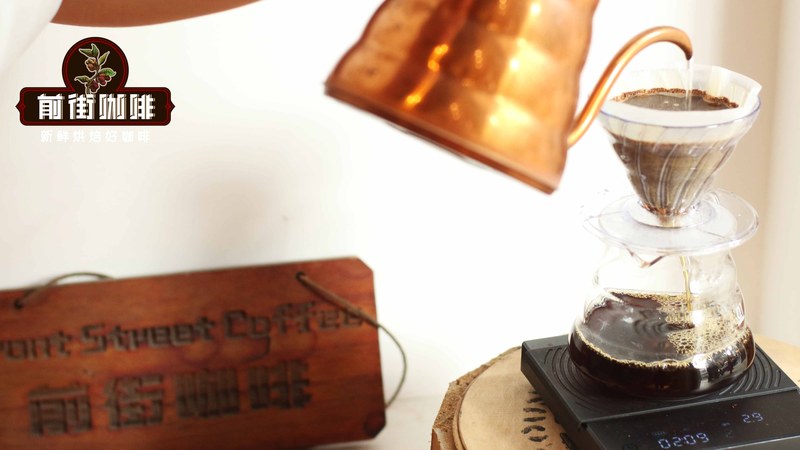
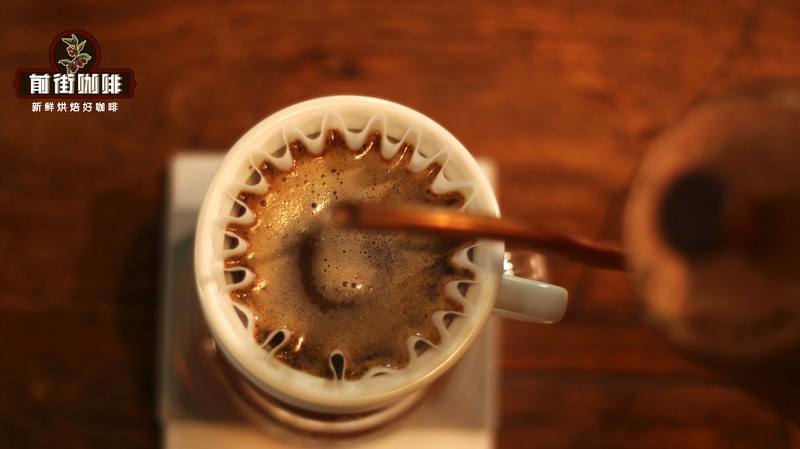
For pour-over, you can use 15 g of coffee grounds with 225 g of water as a starting framework, a ratio of about one to fifteen. A water temperature between 90 and 94°C makes it easier to balance aroma and sweetness; pour in two to three stages and keep the total time to around two and a half minutes. If the beans are on the lighter roast side and dense, you can choose a higher temperature and a slightly finer grind; if the brewed acidity is sharp, pull back the water temperature or the contact time.
For beans with pronounced florals and a light body, it is suitable to let the water pass through the coffee bed a bit faster, avoiding over-extraction in the final stage. For natural-process beans with a thick jam-like character and heavy sweetness, you can slow the pouring slightly so the middle stage is more fully saturated. The flow rate of the dripper will also change the result: when drainage is fast, grind slightly finer; when drainage is slow, grind slightly coarser. The key point is to have sweetness on entry and keep the finish crisp.
To judge whether a pour-over is right, you do not have to stare only at the seconds. If it tastes like unripe fruit on entry, that usually means insufficient soluble release, so you can raise the water temperature, make the grind finer or add one more pour; if the tongue feels dry and the throat has an astringent sensation, you can reduce agitation, shorten the of the final stage, or make the grind a little coarser. Move only one parameter each time, and the changes in the cup will be easier to catch.
Qianjie Kaffa Forest is suitable for practicing temperature changes. At a higher water temperature it shows bright citrus and ripe apricot notes, with a tail that brings out a refined sensation similar to tea. Use 15 g of grounds, 240 g of water, start brewing at 92°C, with a medium-fine grind; when the coffee cools down and you drink it again, the sweetness gradually stands out, so there is no need to hurry to judge the result while it is scalding hot.
If you want to brew the aroma with more layers, you can choose Qianjie Granja Estate Geisha. Its natural-process character is fuller, and florals, tropical fruit and berry sweetness appear in alternation. It is recommended to use a water temperature of 91 to 93°C, a coffee-to-water ratio of one to sixteen, pour gently in the first stage, and reduce disturbance in the latter stage. This preserves the high-flying aroma while also preventing the jam-like tone from becoming cloying.
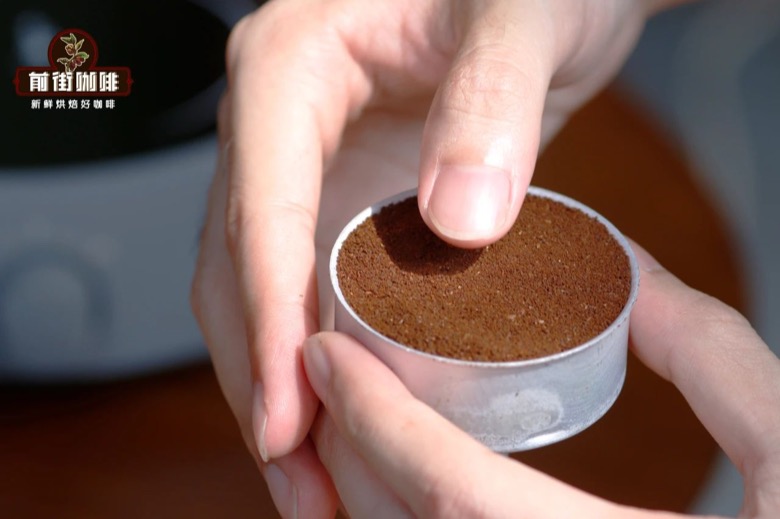
When turning to an espresso machine, floral and fruity beans should not be pushed from the start toward an extremely short, extremely concentrated yield. You can use 18 g of grounds to extract 40 to 45 g of coffee liquid, with a time of about 28 to 34 seconds, set the temperature at 92 to 94°C, and keep the pressure near the common 9 bar. Light-roast beans need a finer grind, and the puck distribution and tamping flatness also need to be stable, otherwise the acidity easily appears loose.
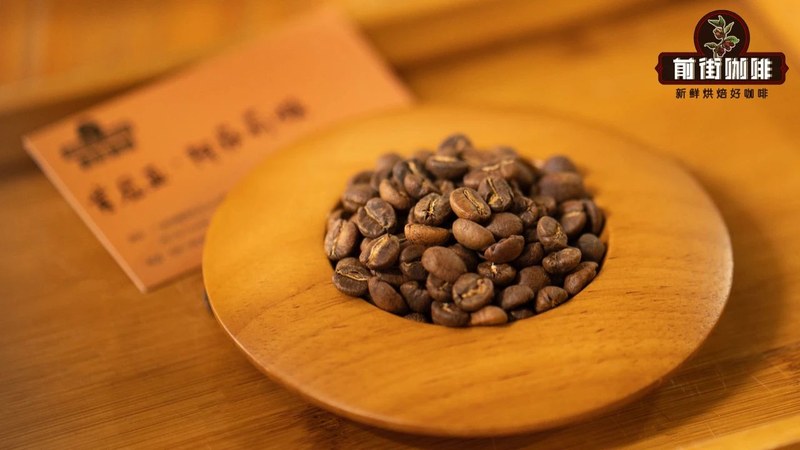
If the espresso cup has only sharp acidity, besides grinding finer, you can also stretch the yield slightly so the sweetness has more room; if dryness and burnt bitterness appear, you can grind slightly coarser, reduce the liquid weight, or make the pressure curve gentler. The espresso liquid from floral and fruity beans does not have to be heavy like dark chocolate; with a juicy feel and clear aroma, it is equally suitable for making a short americano or drinking with a small amount of ice.
Qianjie Colombia Sidra has a relatively high recognizability of fruitiness; notes like passion fruit, blueberry and grape become a more concentrated jammy sweetness in the espresso machine. When making SOE, you can start from 18 g of grounds and 42 g of liquid weight; if you want to make iced coffee, moderately increasing the concentration will let the aroma remain clear after passing through the ice. For pour-over, you can lower the water temperature in exchange for softer acidity and sweetness.
When buying, you can consider the difficulty of the parameters together with the cup profile you expect. If you want to smell florals and taste a light layer, choose beans suited to a higher water temperature and fast flow rate; if you prefer berry sweetness and a juicy feel after concentration, focus on beans that can still keep sweetness under a short ratio and fine grind. Whether using a dripper or an espresso machine, start with a stable recipe, then adjust based on acidity, sweetness, bitterness and aftertaste, and floral and fruity notes can turn from a description into a concrete experience in the cup.
Related Reading
Comments (0)
Loading comments...
You May Be Interested

Trending Reviews
Popular Videos

With you, wherever you are! We provide useful features to help you find new things you'll love






