Source:Best Coffee > News Author:qjroot Published:2026-10-07 10:21:35
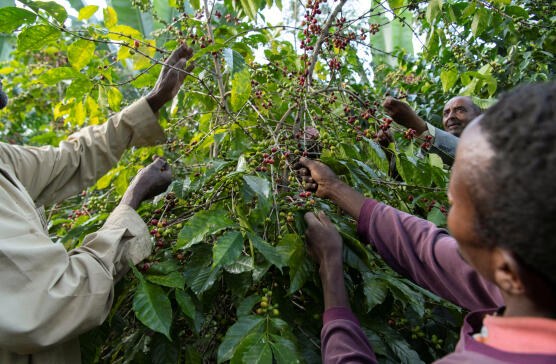
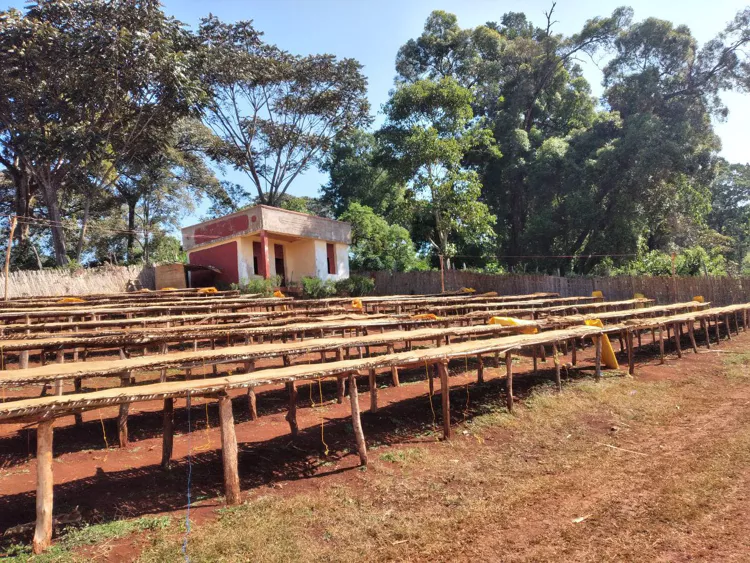
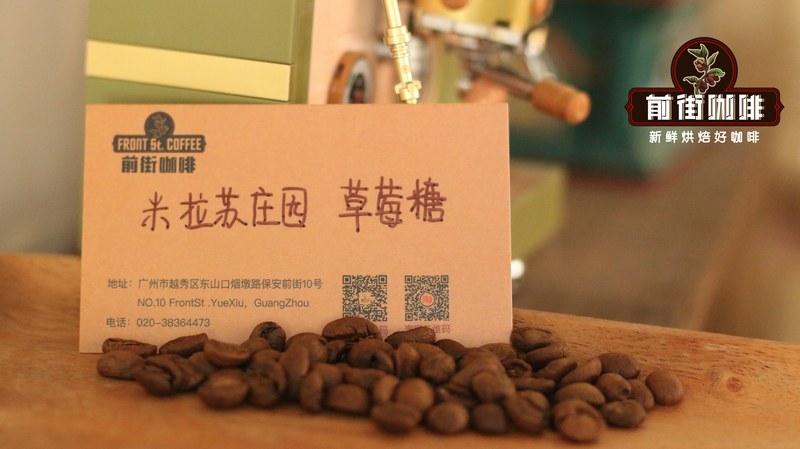
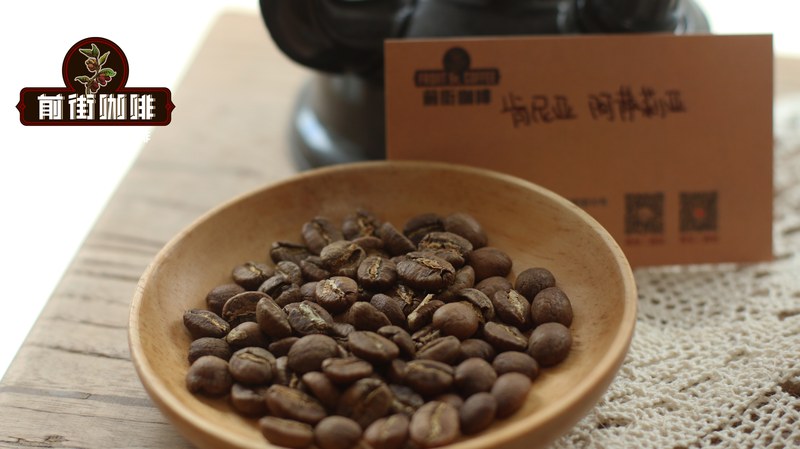
Ethiopia, a natural treasure trove of coffee genetics, is home to an immense variety of uncultivated native varieties, with the main growing areas distributed around Yirgacheffe, Sidamo, Guji and the Kaffa forest region. The town of Yirgacheffe sits on the southern highlands, at an altitude between 1,700 m and 2,200 m, with a mild climate and misty conditions all year round. Smallholders plant coffee trees along their own field edges, and after harvest send the fresh cherries to centralized processing stations in villages such as Gedeb, Worka and Konga. This community-based collaborative model allows the same region to present two completely different characters, washed and natural: washed beans are soaked in fermentation tanks and rinsed with clean water, and in cupping they are especially clean and transparent, with jasmine florals and lemon-like acidity leaping out of the cup; natural beans are dried with the skin and pulp still attached, so sugars seep into the core of the bean and ultimately brew into bold tropical sweetness and a full-bodied, juicy mouthfeel. Qianjie Washed Yirgacheffe is a typical representative of the washed route, and under a light-to-medium roast it clearly captures jasmine florals and bright citrus acidity, with a light, elegant mouthfeel and a black-tea-like finish, making it an introductory coffee for getting to know Ethiopian flavors; while Qianjie Ethiopia Huakui follows the natural path, weaving together strawberry, tropical fruit and guava-like sweetness, with bold flavors and plenty of juice, suited to drinkers who want to experience the tension of the natural processing method.
When choosing Ethiopian beans, the variety information is often labeled only as "heirloom," which is not perfunctory but rather because local varieties are too numerous and complex, and after smallholders mix-plant and mix-harvest them, they are difficult to sort one by one. At this point, attention should turn to the three dimensions of processing method, roast level and freshness. The flavor divide between washed and natural has already been described above; if you prefer florals and clear, transparent acidity, washed is the reliable direction; if you are drawn to sweetness and fermented fruit aromas, natural is more worth exploring. As for roast level, Ethiopian heirloom varieties are high in density and full of moisture, so a light to light-medium roast range preserves the region's character very well, while a dark roast easily erases the delicate citrus and jasmine notes. For freshness, the flavor is best within one month after roasting, with 4 days of resting; after more than two months the florals fade noticeably. If altitude and grade are labeled on the packaging, they can help with judgment: higher altitude usually means brighter acidity, while Grade 1 and Grade 2 indicate stricter defect control and better cupping consistency, but there is no need to fixate on grade, as cooperative-level specialty lots can deliver surprises just as well.
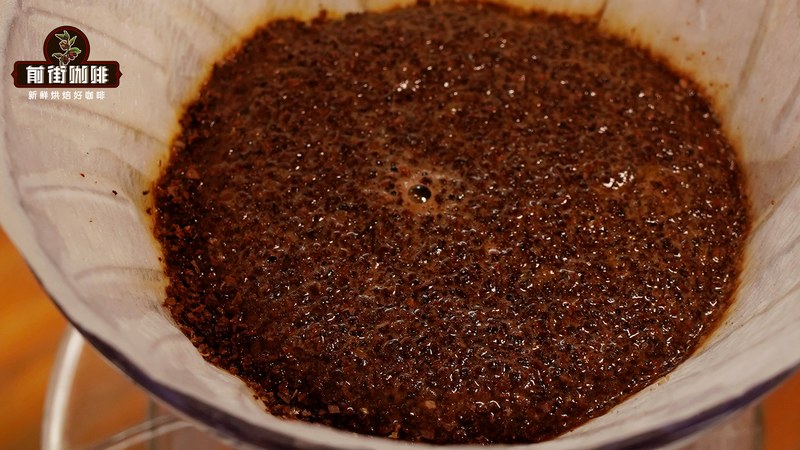
Pour-over is the mainstream way to showcase the layered complexity of Ethiopian coffee. Using 15 g of grounds and a 1:15 coffee-to-water ratio as the basic framework, set the water temperature at 92°C to 93°C, use a grind size comparable to granulated sugar, and first wet the filter paper with a small amount of hot water to preheat the equipment. When pouring, begin with a 30-second bloom to let carbon dioxide release in an orderly way, then pour in circles with a steady stream up to the target water amount, keeping the whole process within two minutes. This parameter combination is especially friendly to Qianjie Washed Yirgacheffe, allowing the florals and citrus acidity to unfold in distinct layers. If you want to further highlight the florals, you can lower the water temperature slightly to around 90°C, and at the same time adjust the grind half a step finer, extending the extraction time but not beyond two minutes and ten seconds; low-temperature slow extraction allows volatile aromatic compounds to be retained more completely on the surface of the liquid. If you are after sweetness and roundness, do the opposite: raise the water temperature to 94°C, use a slightly coarser grind, and shorten the total time to around one minute and fifty seconds, quickly extracting the acidity in the early stage and reducing the dissolution of astringent compounds in the later stage, so the honey and brown sugar sweetness in the cup becomes more dominant.
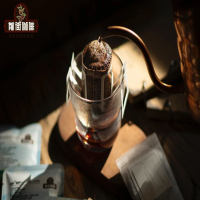
Cold brew, drip bags and the moka pot are three extended ways to drink Ethiopian beans, each with its own adjustment points. Cold brew, because of long low-temperature steeping, has soft acidity and amplified sweetness, making it suitable for using natural beans to showcase their fermented fruit aromas; the grind should be two steps coarser than for pour-over, and after steeping refrigerated for twelve to sixteen hours and filtering, you get a black coffee with comparable cleanliness and a fuller body. A drip bag is essentially a portable version of pour-over; once the dose is fixed, you only need to control water temperature and pouring rhythm. It is recommended to keep the water temperature around 90°C and pour slowly in three stages, avoiding a stream that strikes directly at the edge of the coffee bed. The jasmine florals of Qianjie Washed Yirgacheffe are still discernible in a drip bag, only slightly less layered than when freshly ground. With the moka pot, note the density characteristics of Ethiopian light-roasted beans: use a slightly coarser grind than for espresso, fill the grounds with a light tap to even them out but do not tamp too firmly, heat over medium-low until the coffee liquid emerges and then immediately remove from the heat, using residual pressure to complete extraction. This yields a base with strong espresso-like intensity and caramel sweetness, and after dilution the berry notes of natural beans remain vivid.
Whether you are trying it for the first time or buying it again and again, the core pleasure of Qianjie Ethiopian coffee beans lies in the flavor spectrum that the same region and the same varieties present due to differences in processing method and brewing variables. Start by getting to know the clarity of washed, then step into the sweet, mellow depth of natural. Parameters are not restraints but a map, marking the rough direction of florals and sweetness; in the end, the flavor outline still has to be drawn by hand, cup by cup.
Related Reading



Comments (0)
Loading comments...
You May Be Interested




Trending Reviews
Popular Videos

With you, wherever you are! We provide useful features to help you find new things you'll love






