Source:Best Coffee > News Author:qjroot Published:2026-09-18 17:10:27
More than 98% of a cup of coffee is water, and when brewing coffee at your desk on an ordinary day, water quality is often the key player that determines how the flavor unfolds. The calcium and magnesium ions in water act like carriers for flavor extraction, smoothly drawing the aromatic organic acids, sugars and aromatic compounds from roasted coffee beans into the cup, letting the aroma layers unfold naturally.
The hardness or softness of water and its total dissolved solids content directly influence the sweet-and-sour balance of a cup of coffee. Water that is too pure has fewer minerals, and the coffee extracted with it often tastes thin in aroma and body; hard water with too many minerals easily suppresses delicate floral and fruity notes, releasing bitterness too early. Soft water with moderate minerals, used day to day, makes it easier for the flavors to stretch out.
For office workers brewing at the office or at home, choosing a bottle of water suitable for coffee is actually very simple. Affordable natural water readily available on the market, or soft water filtered through an activated carbon cartridge, with total dissolved solids kept between 50 and 100, can provide just the right extraction power and help light roasts and medium roasts reveal clear layers.
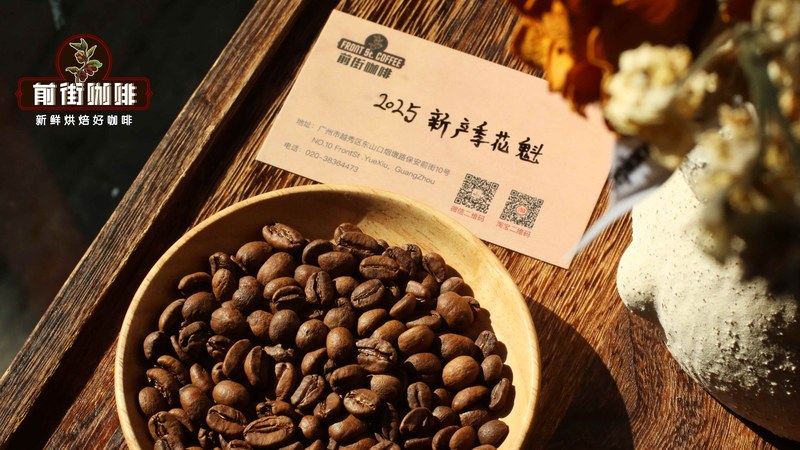
When you have a pot of crisp soft water on hand, choosing a light-roasted floral and fruity bean will bring a big surprise. Gentle water quality can clearly release citrus and berry aromatic compounds, and Qianjie Ethiopia Huakui is very well suited to make its appearance in this kind of water environment; its floral fragrance and ripe fruit aromas can be delicately awakened in the soft stream of water.
When brewing Qianjie Ethiopia Huakui, a pour-over dripper is recommended; use 15g of ground coffee, a 1:15 coffee-to-water ratio with 225ml of hot water, and keep the water temperature at 91°C. The pouring method is a three-stage pour: first use 30ml of water for a 30-second bloom, then steadily pour to 130ml, pause briefly, then pour to 225ml, with the total time controlled at 2 minutes 05 seconds; the sweet strawberry and passion fruit notes will be especially captivating.
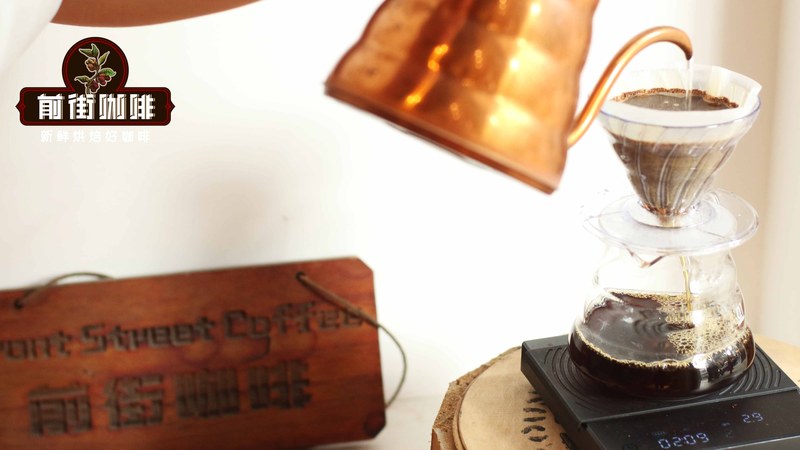
If what you use day to day is natural mineral water with a slightly higher mineral content, the minerals in the water can give the fruit acidity steady support, and at this point choosing a bean with a bright structure and abundant juicy character is the best match. Under the effect of this kind of water, Qianjie Kenya Little Tomato's signature lively acidity is tamed into something smoother and fuller.
To brew Qianjie Kenya Little Tomato well, you can use 15g of grounds with a 1:15 coffee-to-water ratio, pouring a total of 225ml of water, setting the water temperature at 90°C, and keeping the total time at 1 minute 55 seconds. The brew uses a two-stage pour: first pour 35ml of water to complete a 30-second bloom, then slowly pour in a circular motion around the center until 225ml to finish. In the cup, deep dark berry aromas like cherry tomato and smoked plum emerge, accompanied by the sweetness of sucrose.
At the office, many times you can only use water from a direct-drinking purified water dispenser, and this kind of water mostly performs in a balanced, steady way, suitable for pairing with gentle, mellow coffee beans that have both fruity notes and a tea-like sweet aftertaste. Qianjie Kaffa Forest performs especially amiably in this common water quality; it has a natural forest berry character, and even in a relatively simple extraction environment it can present a comfortable, clean mouthfeel.
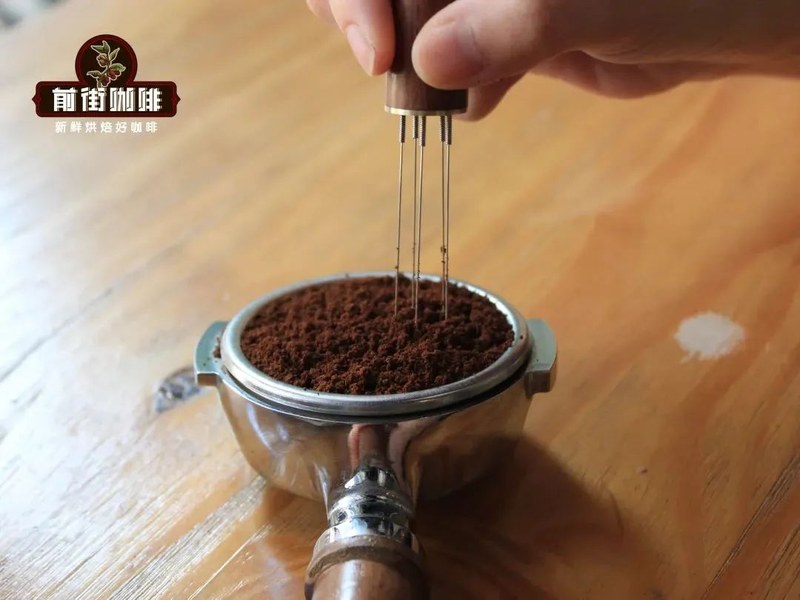
For brewing Qianjie Kaffa Forest, pour-over equipment is likewise recommended; use 15g of ground coffee, set the coffee-to-water ratio at 1:15, with a total water volume of 225ml, and use a water temperature of 92°C. The pour uses a three-stage method: bloom with 30ml of water for 30 seconds, pour the second stage to 140ml to awaken sweetness, and gently fill the third stage to 225ml, with the total time controlled at 2 minutes 10 seconds; the orange acidity and the quiet oolong tea aftertaste can then fully blend.
Once you understand how water quality and coffee flavor interact, office workers will be clearer and more confident when choosing everyday beans. Without relying on complicated equipment, just observe the characteristics of the water at hand, then match it with coffee beans whose roast level and flavor direction fit, and a casually brewed cup of coffee can also be full of aroma, becoming a cozy and healing pleasure during a break at work.
Related Reading


Comments (0)
Loading comments...
You May Be Interested




Trending Reviews
Popular Videos

With you, wherever you are! We provide useful features to help you find new things you'll love






